
Sturmer, Essex
Sturmer is a small rural village and civil parish in the Braintree district of Essex, England, noted for its agricultural setting and recorded population of 464 in the 2001 census.
Sturmer is a small village and civil parish in the Braintree district of Essex, England. It lies within the English countryside and has traditionally been a rural community centred on farming and local services. The parish recorded 464 residents at the 2001 census. Administratively it forms part of the wider district structure and is governed locally as a civil parish.
Image gallery
1 Image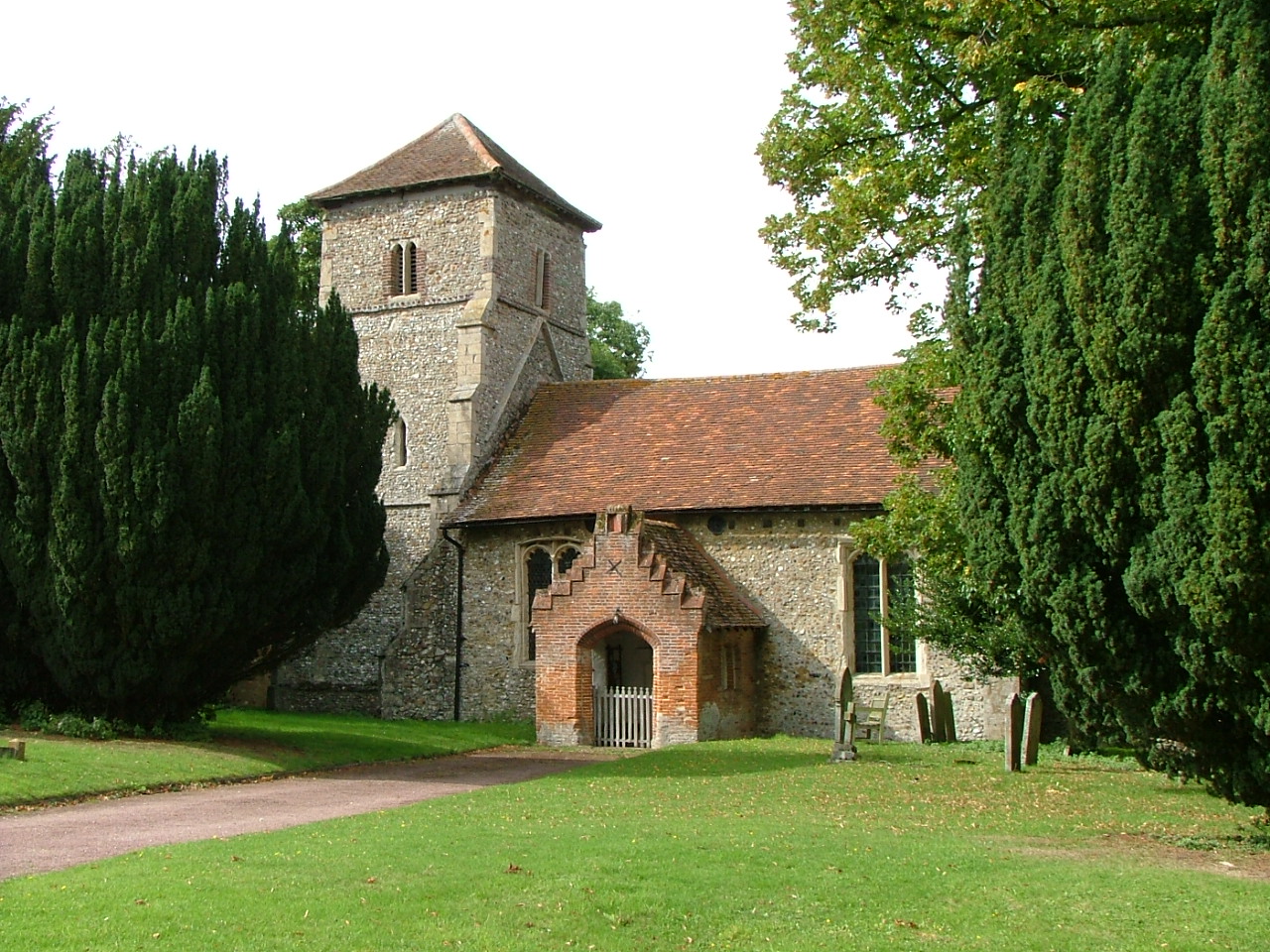
Characteristics
The village has the features typical of many small East of England settlements: dispersed houses and farms, a parish church and community facilities that serve a modest local population. The surrounding landscape is mainly agricultural, with fields, hedgerows and minor lanes. Local governance is carried out through the parish council and through district and county authorities, the latter based in the wider Braintree district Braintree district.
History and origins
Like many villages in Essex, Sturmer has roots in the medieval period and earlier rural settlement patterns. Villages of this kind often developed around arable and pastoral farming, local manors and parish structures. Over centuries the settlement would have evolved with the rhythms of agriculture, enclosure and the development of local institutions.
Community and economy
Sturmer’s economy has historically depended on agriculture and related trades; today residents may also commute to nearby towns for work and services. Community life in small parishes tends to centre on the village hall, church activities and parish events, which help maintain local identity despite changes in rural employment and transport.
Notable facts and distinctions
- Sturmer is officially designated a civil parish, an administrative unit used across England for local governance.
- The village’s small recorded population (464 in 2001) highlights its rural, low-density character.
- Its setting in Essex places it within a region of mixed arable land and historic villages typical of eastern England.
For concise administrative details, maps and up-to-date statistics consult local government sources or the district authority pages, which provide the latest information on population, services and parish governance.
Related articles
Author
AlegsaOnline.com Sturmer, Essex Leandro Alegsa
URL: https://en.alegsaonline.com/art/94411
Sources
- neighbourhood.statistics.gov.uk : Neighbourhood Statistics