
Subiaco Oval (Domain Stadium): Overview, History and Legacy
Former major sports stadium in Subiaco, Perth. Known also as Patersons Stadium and Domain Stadium, it hosted Australian rules football, WAFL matches, concerts and community events until its 2017 closure.
Subiaco Oval — commonly called Subi or, under commercial names, Patersons Stadium and Domain Stadium — was the principal large-capacity sports venue in Perth, Western Australia, until its closure in 2017. Situated in the suburb of Subiaco about three kilometres west of Perth's central business district, the ground was synonymous with Australian rules football in Western Australia for much of the 20th and early 21st centuries.
Image gallery
7 Images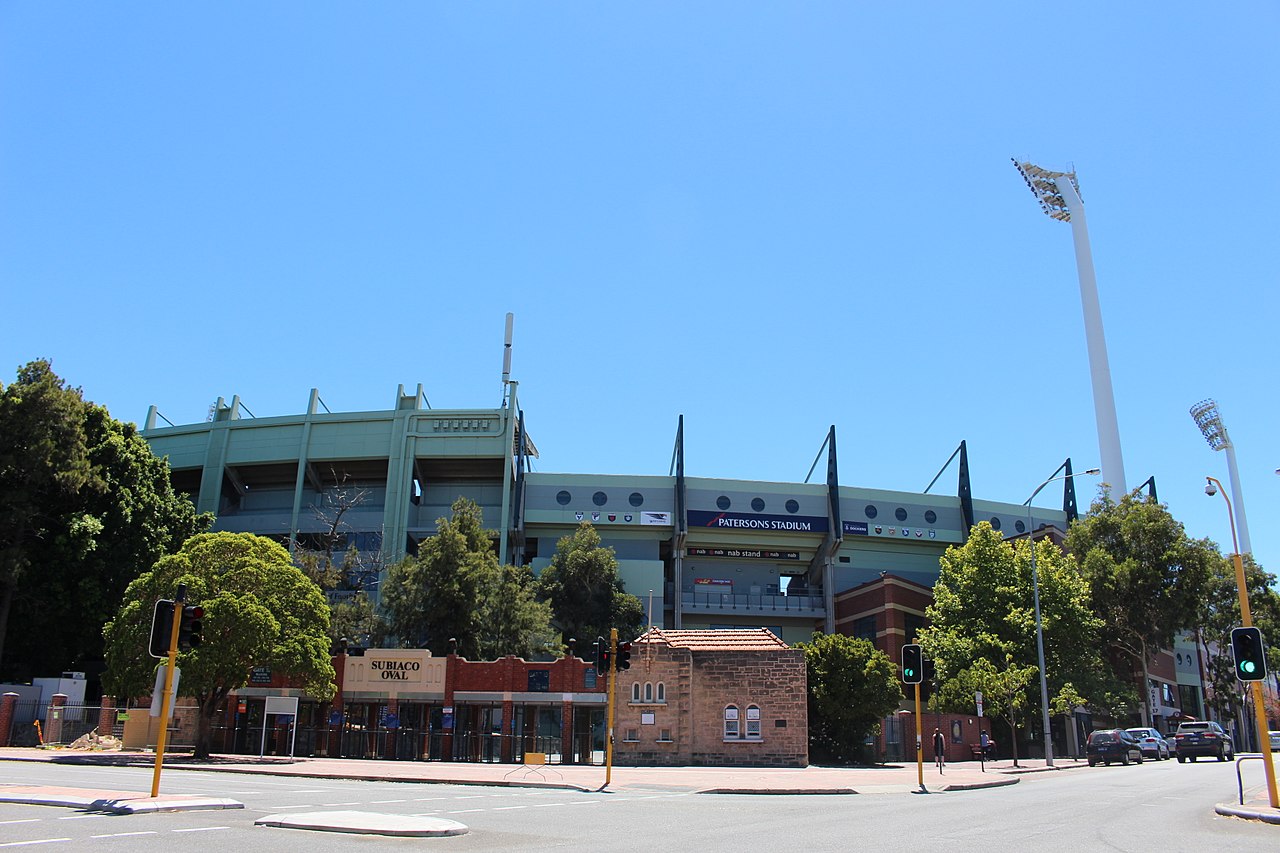



Characteristics and layout
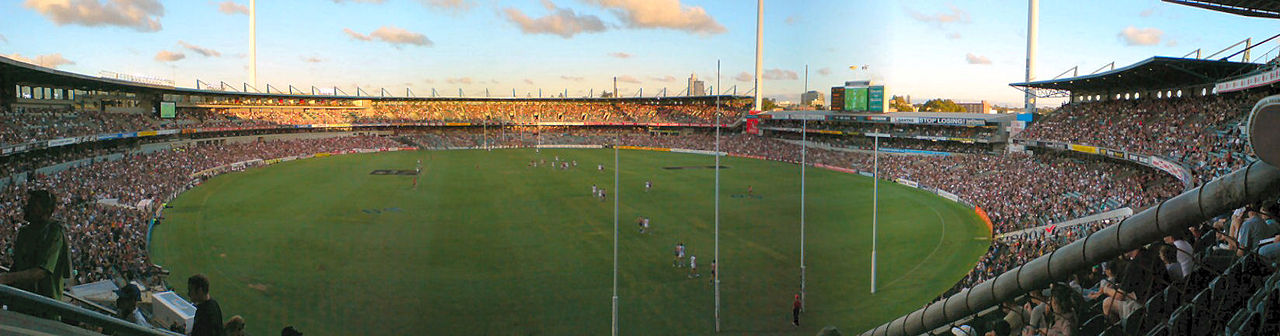
The venue was an oval-shaped, open-air stadium with a grass playing surface and a mix of seated grandstands and general admission areas. Designed to accommodate the expansive playing surface required for Australian rules football, it offered vantage points around the entire oval and included corporate boxes, media facilities and player amenities developed over several modernization phases. By its later years the ground held capacities in excess of 40,000 spectators, making it Perth's largest sporting arena until superseded by the newer stadium built across the river.
History and naming
Established in the early 20th century as a home for local football, the ground evolved from a simple suburban oval into a metropolitan stadium through multiple redevelopments. Over time it carried different commercial names as naming-rights agreements were struck; nonetheless many fans and local residents continued to refer to it simply as Subiaco Oval. The site reflected changing patterns in spectator sport, corporate sponsorship and urban redevelopment that shaped stadium planning across Australia.
Uses and notable events
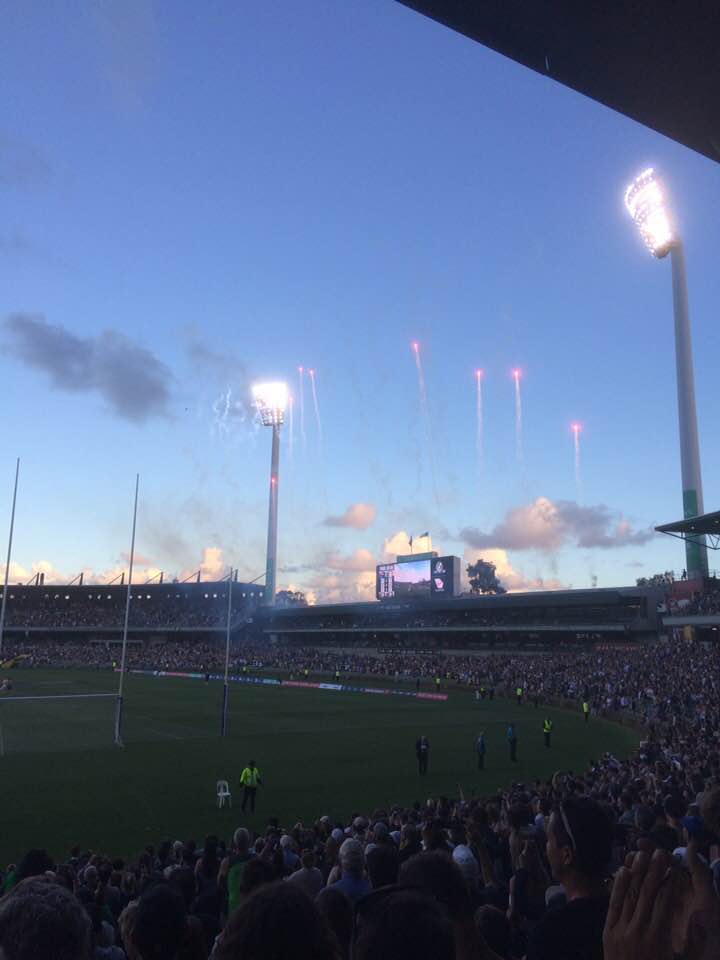
Although primarily associated with the West Australian Football League (WAFL) and later with Australian Football League (AFL) matches — including regular home matches for Perth-based clubs — the venue also hosted interstate fixtures, representative games and major community sporting events. Beyond sport, it served as a stage for large-scale concerts, ceremonies and civic gatherings, drawing both local and touring acts. Examples of activity at the ground illustrate its role as a multipurpose metropolitan venue rather than a single-use facility.
Key aspects that distinguished the ground included its central suburban location, its traditional oval form suited to Australian rules football, and its long-standing place in Western Australian sporting culture. As with many older stadia, limitations in parking, public transport capacity and modern corporate facilities ultimately contributed to the decision to relocate major events to a new, purpose-built stadium.
Closure and legacy: The stadium ceased hosting major professional matches following the opening of a new Perth stadium in 2018, and the Subiaco site has since been decommissioned and subject to redevelopment planning. Its legacy remains in the memories of regular spectators, the records of local clubs, and in discussions about urban reuse of central sports precincts.
Further information: official pages and historical overviews are available from venue archives and sporting authorities. See venue profile, historical summary and local heritage and redevelopment resources for extended reading.
Related articles
Author
AlegsaOnline.com Subiaco Oval (Domain Stadium): Overview, History and Legacy Leandro Alegsa
URL: https://en.alegsaonline.com/art/94477