
Stuttgart, Arkansas
Stuttgart is a small agricultural city in east-central Arkansas, known for rice production, seasonal waterfowl and outdoor recreation, and annual community festivals and competitions.
Overview
Stuttgart is a small city located in east-central Arkansas. It serves as a regional center for farming and outdoor recreation. The community combines rural economy and localized industry with seasonal tourism tied to hunting and birdwatching.
Image gallery
7 Images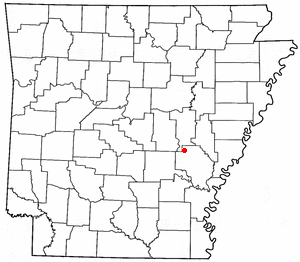



Geography and environment
The city lies within the low-lying Grand Prairie portion of the Arkansas Delta, an area characterized by flat fields, shallow aquifers and managed wetlands. These conditions support flooded rice fields and attract large numbers of migratory waterfowl in the cooler months, creating important habitat and recreation opportunities.
Economy and land use
Stuttgart's economy is heavily oriented around agriculture and supporting services. Key activities include:
- Rice cultivation and processing
- Other row crops such as soybeans and forage
- Hunting- and tourism-related businesses for waterfowl seasons
- Local manufacturing, food processing and agricultural research support
History and development
The town traces its name to Stuttgart, Germany, reflecting immigrant influences common to many American place names. It developed in the 19th century as rail connections and agricultural drainage projects transformed prairie into productive farmland. Over time the community expanded services and facilities tied to crop production and rural life.
Culture, events and recreation
Stuttgart hosts seasonal festivals, fairs and competitions that celebrate rice agriculture and waterfowl traditions. Popular activities include hunting, competitive duck-calling events, birdwatching and community gatherings centered on harvest cycles. These events draw visitors and help sustain local businesses.
Notable aspects
The city's identity is closely linked to rice farming and migratory birds, which shape landscape management, local cuisine and tourism. While modest in size, Stuttgart plays an outsized role in its region as a processing and service hub for agriculture and outdoor recreation.
Related articles
Author
AlegsaOnline.com Stuttgart, Arkansas Leandro Alegsa
URL: https://en.alegsaonline.com/art/94419