
Students for a Democratic Society (SDS) — U.S. student activist movement
Students for a Democratic Society (SDS) was a major U.S. student activist organization of the 1960s known for the Port Huron Statement, antiwar activism, participatory democracy, and a later 2006 group using the same name.
Overview
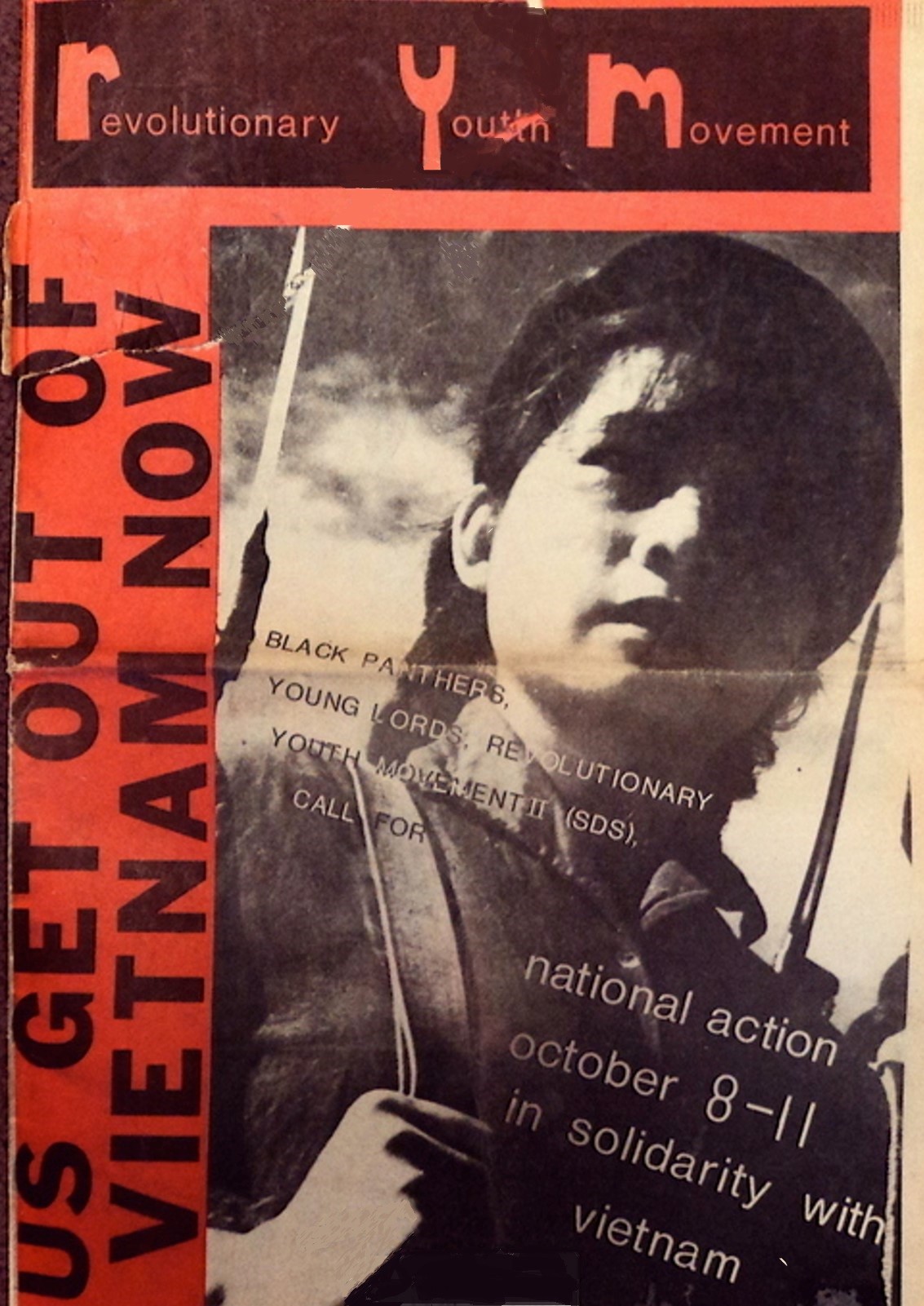
Students for a Democratic Society was a prominent American student activist organization that rose to national visibility during the 1960s. It became widely associated with the New Left and with campus-based campaigns that addressed civil rights, U.S. involvement in Vietnam, and democratic reforms. The group championed participatory democracy and grassroots organizing as alternatives to established political institutions.
Image gallery
4 Images


Origins and core ideas
The movement coalesced around a set of ideas articulated in a defining statement that emphasized individual responsibility, social justice, and large-scale citizen participation in public affairs. That document and related discussions gave SDS an intellectual foundation and guided campus chapters across the country. The group's rhetoric stressed open debate, direct action, and an effort to connect student concerns to broader social issues.
Activities and organization
SDS chapters engaged in a variety of tactics to advance their goals. Common forms of activism included:
- Teach-ins and public forums to raise awareness about policy and ethics;
- Demonstrations, sit-ins, and marches against segregation and the Vietnam War;
- Coalition-building with civil rights activists, labor groups, and neighborhood organizations.
The organization was decentralized, with local chapters making many decisions through democratic meetings and conventions that brought representatives together for national strategy.
Internal divisions and legacy
By the late 1960s SDS experienced growing internal disagreement over tactics and the pace of change. Some members favored continued mass protest and electoral pressure, while others advocated increasingly radical or clandestine approaches. These tensions contributed to factional splits and the group's decline as a unified national force. Despite that fragmentation, SDS left a lasting imprint on American political culture: it helped mainstream student activism, influenced antiwar sentiment, and popularized ideas about participatory democracy that reappeared in later movements.
Revival and modern references
A new organization using the same name emerged in 2006 with an interest in reviving campus activism and the language of the 1960s movement. That group is distinct from the original organization but draws on SDS's historical reputation. For more on the movement's history and documents, see Students for a Democratic Society.
Related articles
Author
AlegsaOnline.com Students for a Democratic Society (SDS) — U.S. student activist movement Leandro Alegsa
URL: https://en.alegsaonline.com/art/94388
Sources
- speccoll.library.kent.edu : Department of Special Collections and Archives
- speccoll.library.kent.edu : Online guide retrieved April 12, 2005
- iisg.nl : International Institute of Social History
- iisg.nl : Online guide retrieved April 12, 2005
- actiontendency.net : The Legacy of S.D.S. and Its Relevance to Today's Activists
- dwardmac.pitzer.edu : Anarchy and Organization: A Letter To The Left
- mrzine.monthlyreview.org : The Rebirth of Students for a Democratic Society (SDS)
- sunrisedancer.com : sunrisedancer.com
- studentsforademocraticsociety.org : studentsforademocraticsociety.org
- inthesetimes.com : "SDS, New and Improved"