
Studebaker — American wagon maker turned automobile manufacturer
Studebaker began as a 19th-century wagon maker in South Bend, Indiana, and became a noted U.S. automobile producer until its closure in 1966. Known for early innovation, distinctive models and a storied industrial legacy.
Studebaker began in the mid-19th century as a family-run manufacturer of horse-drawn wagons and carriages. Founded by members of the Studebaker family, the business grew from a regional workshop into a major industrial firm based in South Bend, Indiana. Its early reputation rested on durable, well-crafted wagons used by civilians and military forces alike; those products established the company’s resources and manufacturing expertise that later enabled a transition to motor vehicles. For background on the firm’s roots, see the historical overview linked below.
Image gallery
10 Images


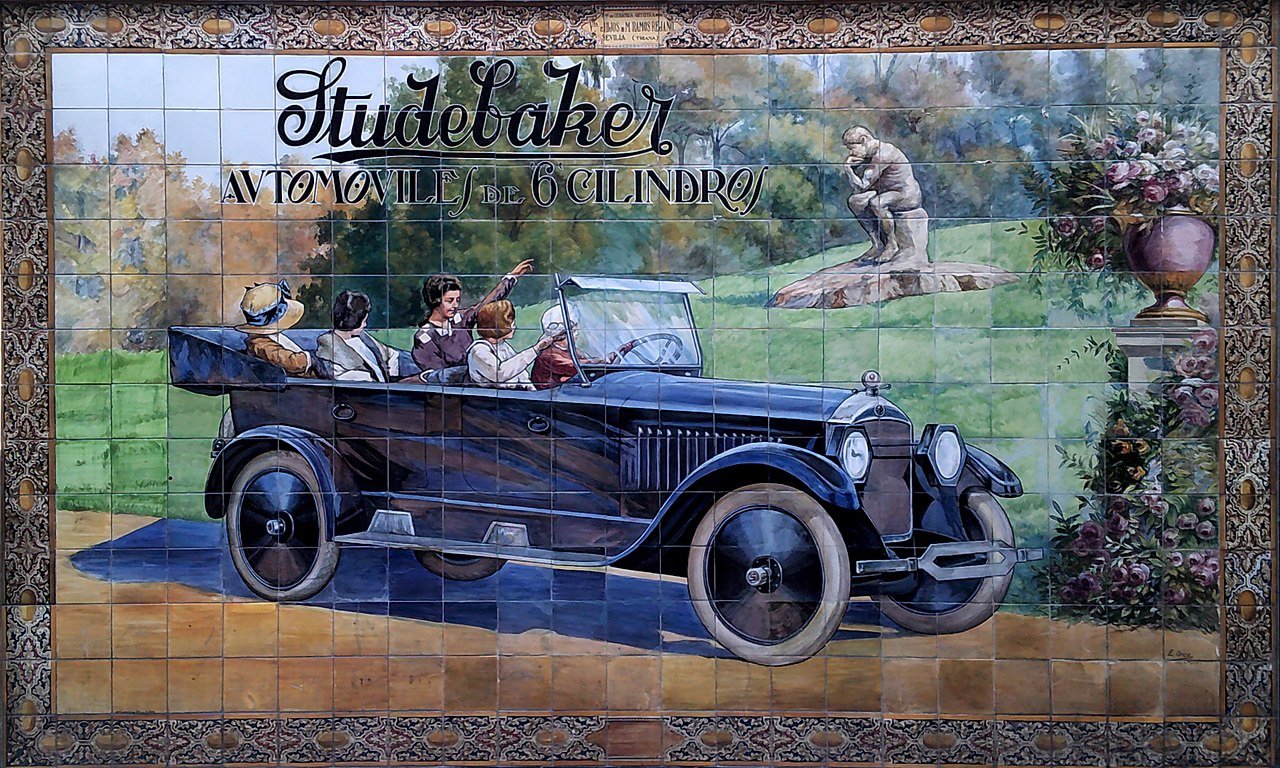


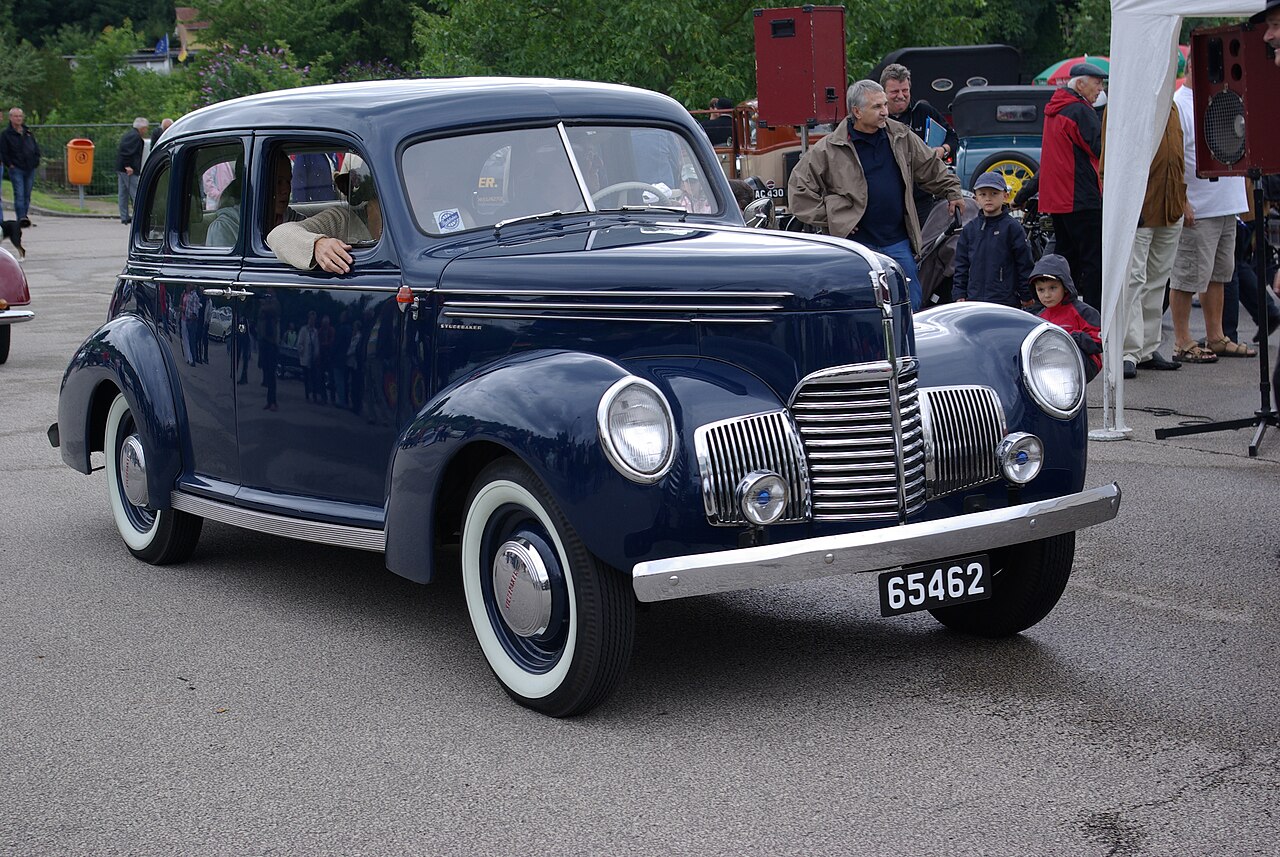

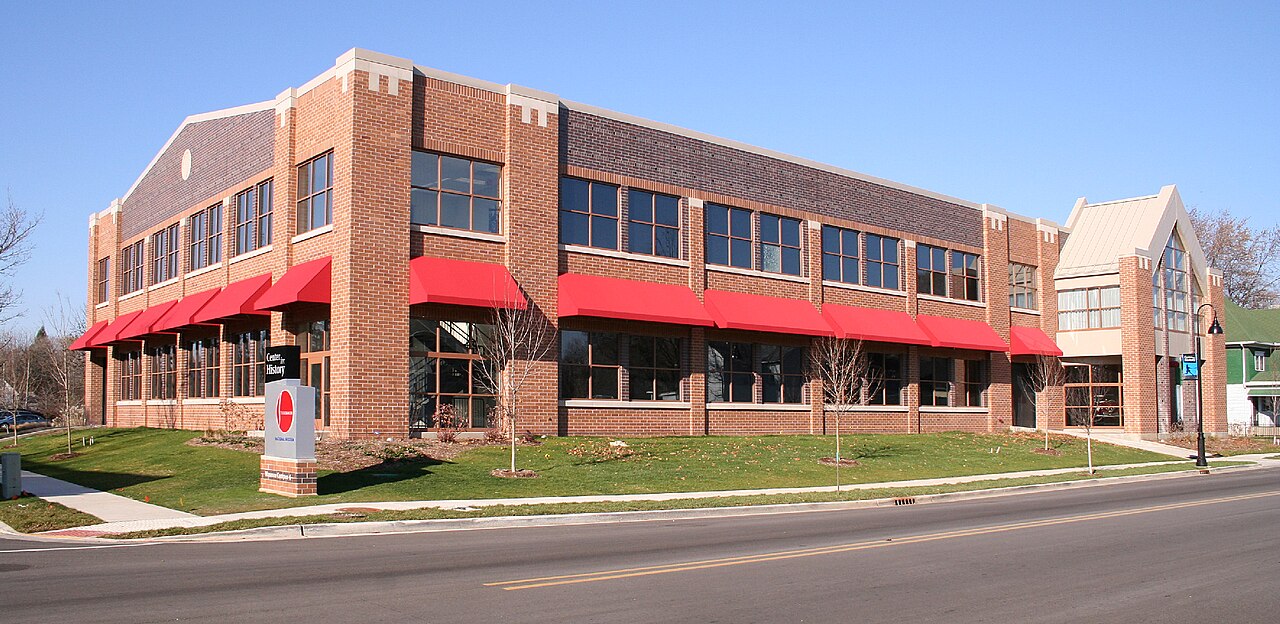
From wagons to cars
In the early 20th century Studebaker expanded into motorized transport, entering the automobile market while retaining its older lines for some time. The company produced a range of vehicles over decades: passenger cars, light trucks and several distinctive specialty models. Studebaker combined coachbuilding traditions with newer engineering approaches as the industry evolved, producing both gasoline-powered and early electric and alternative designs in experimental forms.
Characteristics and notable models
Studebaker vehicles were often praised for solid construction and unique styling. During its automobile era the company released compact and full-size models, along with sport and luxury variants. A few models stand out in automotive history for their design or cultural impact; the company also experimented with aerodynamic shapes and advanced trim for their time. Examples and model histories are summarized in the list below.
- Origin: 19th-century wagon and carriage production in the American Midwest (horse-drawn wagons).
- Automotive entry: expansion into motor vehicles in the early 1900s (automobiles).
- Location: corporate and manufacturing center in South Bend, Indiana (South Bend).
- Corporate archives and resources: historical records and preservation efforts (company archive).
In the mid-20th century Studebaker experienced the same competitive pressures that affected many independent American automakers: rising development costs, changing consumer tastes, and consolidation in the industry. A high-profile alliance with another marque in the 1950s aimed to strengthen its product range and dealer network, but financial and market difficulties persisted. The company gradually reduced production and ultimately ended auto manufacturing in the 1960s.
Today Studebaker’s legacy survives through preserved vehicles, enthusiasts’ clubs and museums that document its broad output from wagons to cars. Collectors prize certain models for design, rarity and historical significance. For further reading and museum guides, consult listed resources and primary collections (vehicle histories, wagon archives, regional history, corporate records).
Studebaker remains an example of American industrial transition: a 19th-century artisanal enterprise that attempted to adapt to the mechanized, brand-driven automobile age. Its story is often cited in studies of manufacturing, design and the challenges faced by independent automakers in an increasingly consolidated market.
Related articles
Author
AlegsaOnline.com Studebaker — American wagon maker turned automobile manufacturer Leandro Alegsa
URL: https://en.alegsaonline.com/art/94382