
Steele County, North Dakota
Rural county in east-central North Dakota established in 1883. Small population, agricultural economy, county seat Finley, and a history tied to settlement and prairie farming.
Overview
Steele County is a small, sparsely populated county in the U.S. state of North Dakota. Founded in 1883 and named for businessman Edward H. Steele, the county has a long tradition of prairie farming and small-town community life. The administrative center and largest community is Finley.
Image gallery
2 Images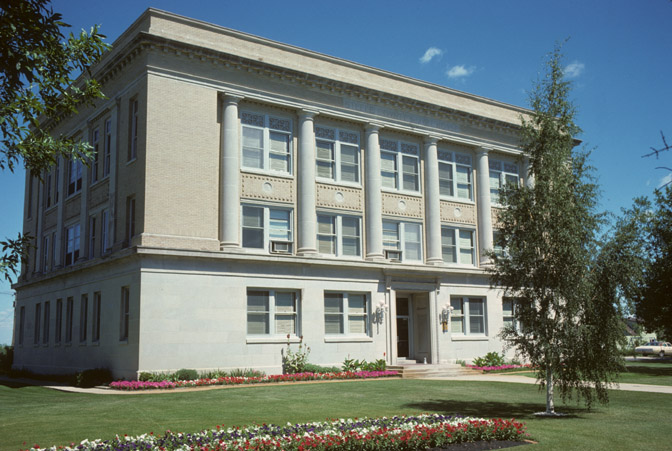

Quick facts
- Established: 1883
- County seat: Finley
- Historic population note: 1,975 residents recorded at the 2010 census
- Primary land use: agriculture and open prairie
Geography and population
Located in the east-central portion of the state, Steele County consists mainly of level to gently rolling plains typical of the region. The landscape supports grain farming, livestock, and seasonal wetlands important for wildlife. Because of its rural character, the county has one of the lower population densities in the state; population totals have fluctuated with agricultural trends and rural migration.
History and development
The county was created during the late 19th-century period of settlement across the Northern Plains. Its name honors Edward H. Steele, a businessman active in the area's early development. Towns grew around rail lines, grain elevators and county services, though many communities remain small and closely tied to the agricultural calendar.
Economy, government and communities
Farming and ranching form the backbone of the local economy, supplemented by services that support rural residents and seasonal outdoor recreation. Local government services are centered in the county seat; residents receive records, court, and civic functions in Finley. For additional administrative information and resources, see county entries and state references at official state pages and census tools.
Notable facts
Steele County exemplifies many rural counties of the Northern Plains: small population, strong agricultural identity, and a community structure focused on a handful of towns. Its story reflects broader trends in settlement, agriculture, and demographic change in the region.
Related articles
Author
AlegsaOnline.com Steele County, North Dakota Leandro Alegsa
URL: https://en.alegsaonline.com/art/93636
Sources
- quickfacts.census.gov : "State & County QuickFacts"
- naco.org : "Find a County"