
Stavelot: historic town and municipality in Liège province, Belgium
Stavelot is a Walloon municipality in Liège province, known for its medieval abbey, ties to the former Principality of Stavelot-Malmedy, and proximity to the Ardennes and Spa-Francorchamps circuit.
Overview
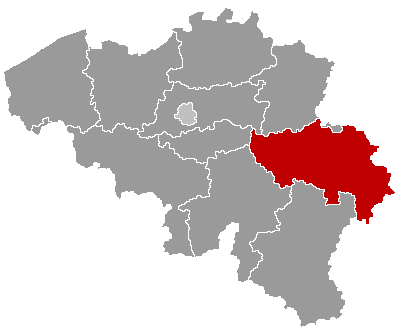
Stavelot is a municipality in eastern Belgium, in the French-speaking Wallonia region. It belongs to the province of Liège and sits in the Ardennes highlands. The town lies in the valley of the Amblève River and has long been a local centre of religious, cultural and tourist activity. Recorded population figures include about 6,669 inhabitants in 2007. Its geographic coordinates are approximately 50°23′N, 5°55′E.

Image gallery
10 Images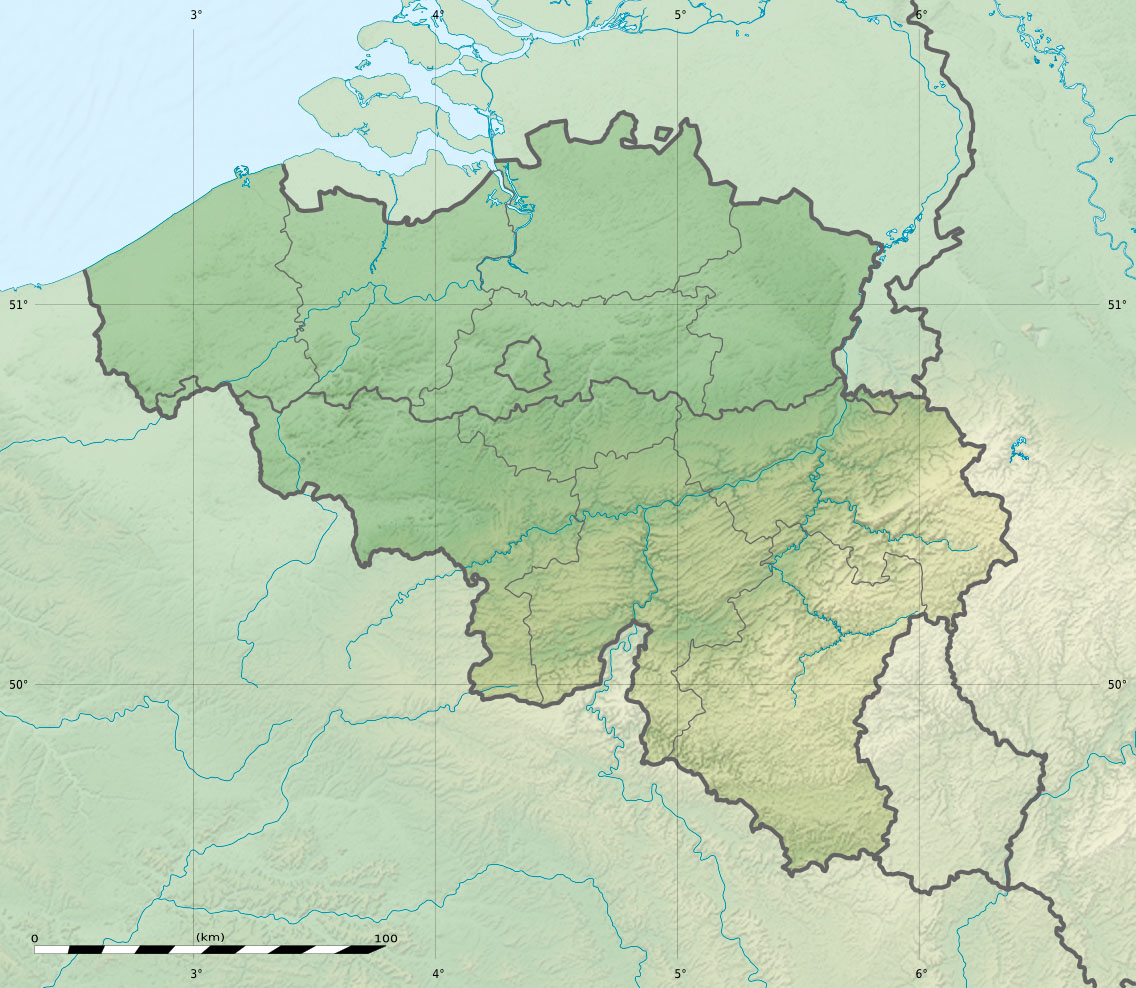




Origins and historical development
Stavelot's identity grew around a Benedictine abbey founded in the early medieval period by Saint Remaclus. Over centuries the abbots of Stavelot gained secular authority and the abbey became the core of the small Principality of Stavelot-Malmedy, a semi-independent ecclesiastical state that survived until the upheavals of the late 18th century. The French Revolutionary period dissolved many monastic institutions; buildings were repurposed and the political map of the region changed.
Landmarks and cultural life
The former abbey complex remains the town's principal landmark. Parts of the historic buildings are used for museums, cultural exhibitions and municipal functions, and they preserve architectural traces of medieval and later periods. Stavelot is also associated with regional traditions such as the colourful Blancs-Moussis carnival and with motorsport because of its proximity to the famous Spa-Francorchamps racing circuit.

Why people visit
The town attracts visitors for a mix of history, outdoor recreation and events. Hiking and cycling routes in the Ardennes pass near Stavelot; riverside paths follow the Amblève valley; and museum exhibitions interpret the principality's past as well as local art and craft. Motorsport fans often stay in the area when major races are held at nearby Spa-Francorchamps.
Features and practical notes
- Historic abbey complex with museums and public collections.
- Rural Ardennes landscape offering walking and nature activities.
- Close links to regional transport that connect to Liège and other Walloon towns.
- Annual cultural events that reflect local folklore, including the Blancs-Moussis carnival.
For administrative information and municipal services consult the local authorities: municipality. General background on the country and region is available through resources on Belgium and the province of Liège.
Related articles
Author
AlegsaOnline.com Stavelot: historic town and municipality in Liège province, Belgium Leandro Alegsa
URL: https://en.alegsaonline.com/art/93590
Sources
- statbel.fgov.be : Werkelijke bevolking per gemeente op 1 januari 2007 / Population de droit par commune au 1 janvier 2007 (.xls)
- statbel.fgov.be : Geografische coördinaten van de gemeenten (.xls)
- commons.wikimedia.org : Stavelot