
Curriculum: Definition, Components, Development, and Uses
An organized program of study describing what is taught, how it is sequenced and assessed; includes types, components, development processes, and distinctions from syllabus and lesson plans.
A curriculum is an organized plan of learning activities and content that guides teaching and training. At its core a curriculum sets out what topics will be taught, the order in which they appear, the expected learning outcomes, and often how learning will be assessed. It serves as a bridge between educational goals and classroom practice, providing teachers, students and administrators with a shared framework for instruction and evaluation.
Image gallery
5 Images



Key components
A typical curriculum contains several interrelated elements. These usually include:
- Aims and objectives: broad intentions and specific outcomes learners should achieve.
- Content and sequencing: subject matter and the recommended order for teaching topics.
- Pedagogy: suggested teaching methods and approaches to learning.
- Assessment and standards: criteria, forms of testing, and alignment with examinations or qualifications such as those set by an examination authority (examination board).
- Resources and materials: textbooks, digital resources and teacher guides (often linked to published texts, see textbook resources).
- Time allocation: guidance on how much instructional time to devote to topics.
Types and distinctions
Curricula can be described at different scales: national or state curricula set broad expectations; institutional curricula adapt those guidelines for a particular school or college; and classroom curricula are the teacher's day-to-day plans. Other useful distinctions include the explicit curriculum (formal content), the hidden curriculum (unintended lessons about values or behavior) and the null curriculum (what is omitted). A curriculum is not the same as a syllabus, which is usually a concise list of topics or readings for a single course, nor is it the lesson plan, which schedules specific class sessions.
Origins and development
Formal curricula emerged as education systems expanded and societies sought more consistent standards for teaching. Over time curriculum development has become a distinct field, drawing on educational theory, subject-matter expertise and assessment research. Influential ideas — such as organizing objectives by measurable outcomes, or arranging learning progressions — have shaped how curricula are written and revised. Curriculum design is often iterative: committees or specialist teams draft frameworks, pilot them, gather feedback and revise to reflect new knowledge, technologies and social priorities.
Uses and importance
Curricula guide daily teaching and long-term planning, inform teacher training, and provide the basis for examinations and qualifications. They support coherence across grade levels, help align resources and assessments, and make expectations transparent to students and parents. In policy debates, curricula are a focal point because they reflect cultural values and influence what generations learn. Well-designed curricula balance content knowledge, skills and dispositions while remaining responsive to local needs.
Notable considerations
When reviewing or designing a curriculum educators consider equity, relevance, cognitive progression and assessment alignment. Because curricula both reflect and shape social priorities, changes to them can spark public discussion. Effective curricula are clear about outcomes, flexible in classroom implementation, and supported by teacher professional development and appropriate learning materials.
Questions and answers
Q: What is a curriculum?
A: A curriculum is a program of study used to plan teaching or training.
Q: What information does a curriculum typically provide?
A: A curriculum spells out details such as what topics will be taught, in what order, and how much time will be spent on each topic.
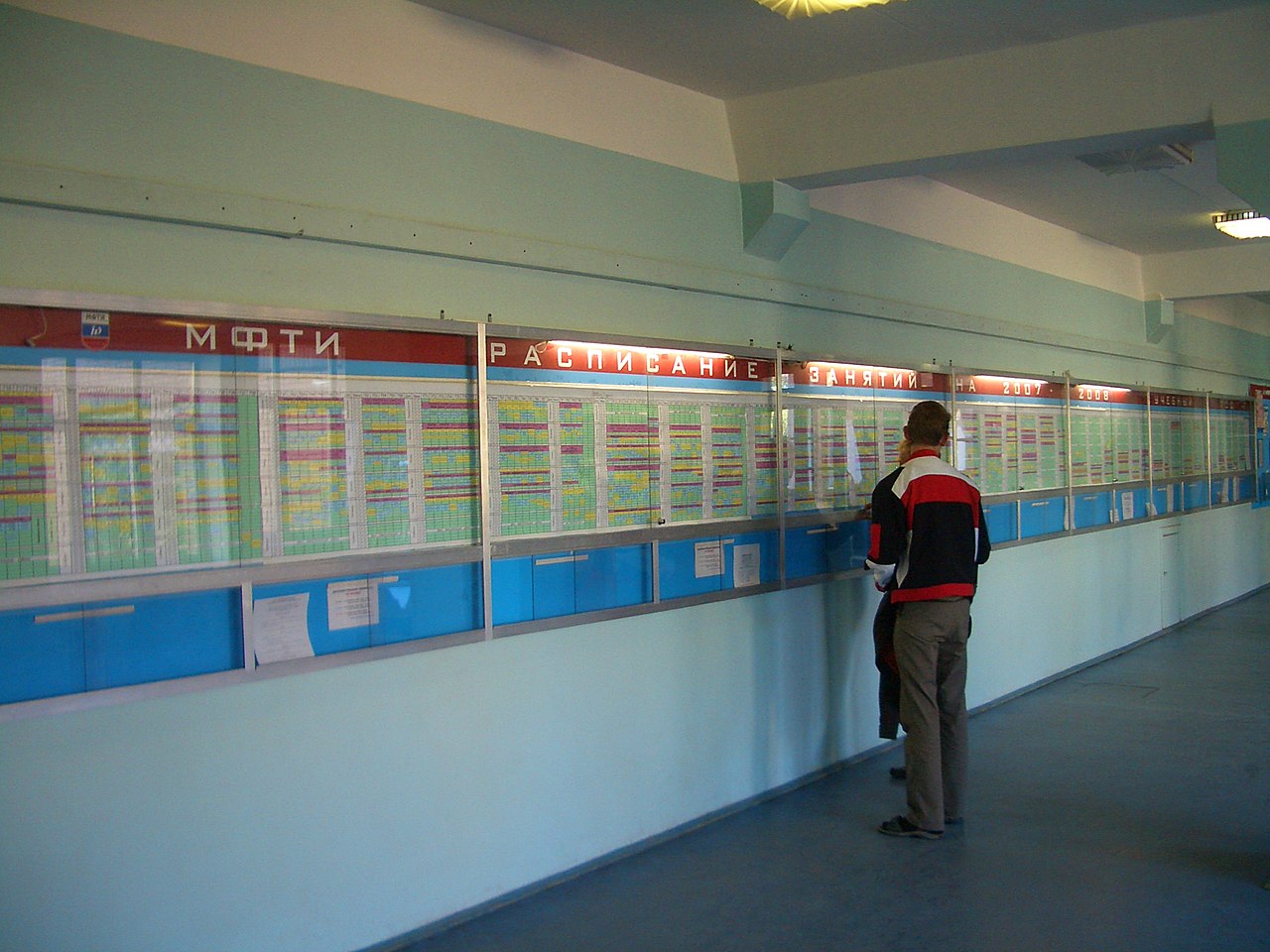
Q: How is a curriculum often linked to a timetable?
A: A curriculum is often linked to a timetable to indicate when each topic will be taught.
Q: Who often authorizes a curriculum?
A: A curriculum is often authorized by a public or private examination board.
Q: What is the basis for setting exams?
A: A curriculum is often used as the basis for setting exams.
Q: What does the term syllabus mean?
A: The term syllabus means a summary of topics which will be covered during an academic course, or book or lecture.
Q: What does the term discipline mean in relation to education?
A: In relation to education, the term discipline means an academic subject-matter.
Related articles
Author
AlegsaOnline.com Curriculum: Definition, Components, Development, and Uses Leandro Alegsa
URL: https://en.alegsaonline.com/art/24722