
Batangas Province (Calabarzon, Philippines)
Batangas is a coastal province in southwestern Luzon, Philippines, known for Taal Volcano and Lake, maritime commerce, agriculture (including coffee), and a distinct Tagalog culture and dialect.
Overview
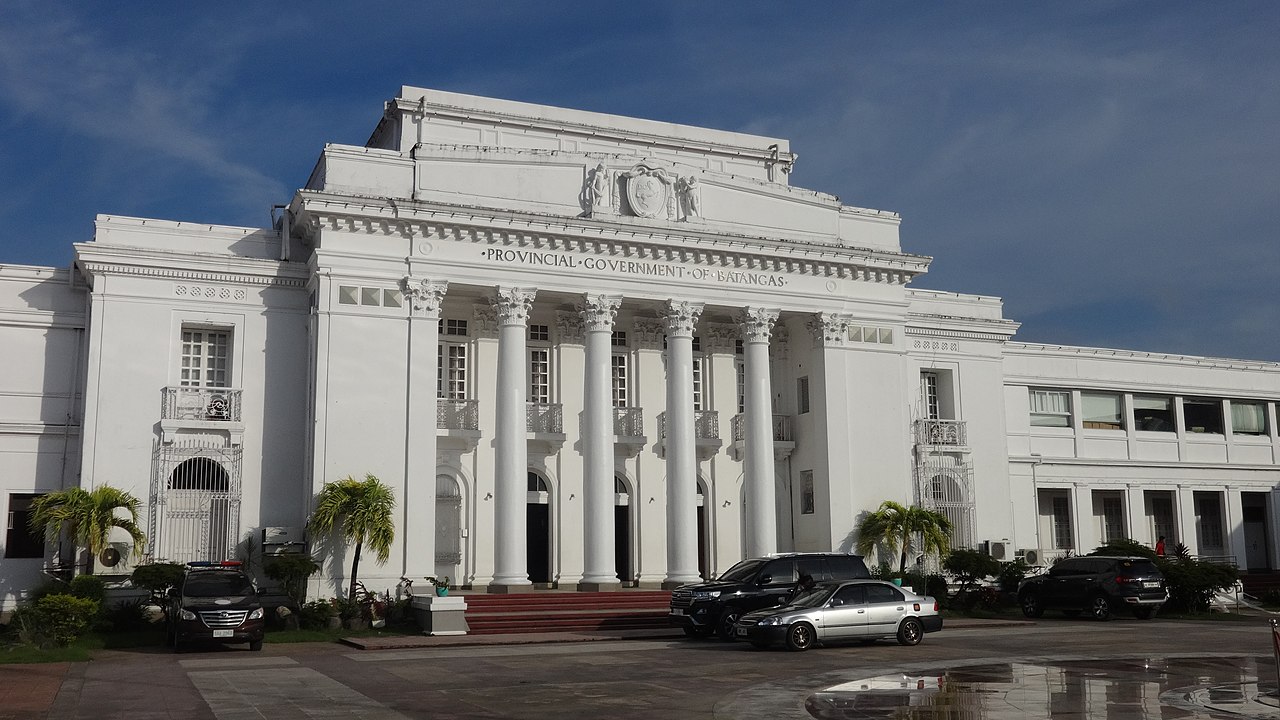
Batangas is a province in the Philippines located on the southwestern coast of Luzon. Its official Tagalog name, Lalawigan ng Batangas, reflects the province's strong regional identity. Administratively it belongs to the Calabarzon area (CALABARZON), one of the country's major economic regions, and is part of the island of Luzon.
Image gallery
10 Images


Geography and notable features
The province combines coastal plains, rolling uplands and volcanic terrain. Its most famous landmark is Taal Volcano, which rises on an island in Taal Lake and is one of the Philippines' most recognizable volcanic systems. Batangas has an extensive shoreline with beaches, dive sites and fishing communities, and it serves as a maritime gateway through several ports.
History and development
Batangas has a long history dating to precolonial times and was shaped by Spanish colonial administration, later American influence, and postwar development. Its proximity to Manila contributed to early economic links, and over time the province evolved from primarily agricultural settlements into a mix of farming, fishing, light industry and services.
Economy and culture
Local economies center on agriculture (coconuts, sugar, rice, and coffee varieties such as the locally known barako), fishing, manufacturing and shipping. Batangas City hosts one of the region's busiest terminals and freight facilities. Cultural life features a distinctive Tagalog dialect and customs, lively town festivals, traditional crafts and cuisine that emphasize seafood and strong coffee.
Tourism and importance
Tourists visit Batangas for the volcano and lake scenery, diving and beach resorts, historical towns and pilgrimage sites. The province is a popular short-trip destination from Metro Manila and an important transport link for ferries and roll-on/roll-off services to nearby islands.
Distinctive facts
- Batangas combines volcanic landscapes and extensive coastline, making it geologically and ecologically varied.
- The local dialect and culinary traditions are often cited as emblematic of southern Tagalog culture.
- Major administrative and transport hubs in the province connect inland agriculture with maritime trade.
For further administrative details or regional information consult the province's official sources and regional planning documents (see provincial and regional pages linked here: province, region).
Related articles
Author
AlegsaOnline.com Batangas Province (Calabarzon, Philippines) Leandro Alegsa
URL: https://en.alegsaonline.com/art/9343