
Batura Muztagh: western subrange of the Karakoram
A compact overview of the Batura Muztagh, the westernmost subrange of the Karakoram in Gilgit‑Baltistan, covering geography, major peaks, glaciers, human use and its mountaineering significance.
The Batura Muztagh is a compact but rugged cluster of high peaks and glaciers forming the westernmost subrange of the Karakoram mountain range. Located in the Gilgit‑Baltistan region of northern Pakistan, it occupies a corridor of steep ridges, icefalls and deep valleys that rise above scattered highland villages. Though smaller than the central Karakoram, the Batura Muztagh contains several summits of nearly eight thousand and high seven‑thousand‑metre elevation and has a distinct topography shaped by long glaciers.
Image gallery
4 Images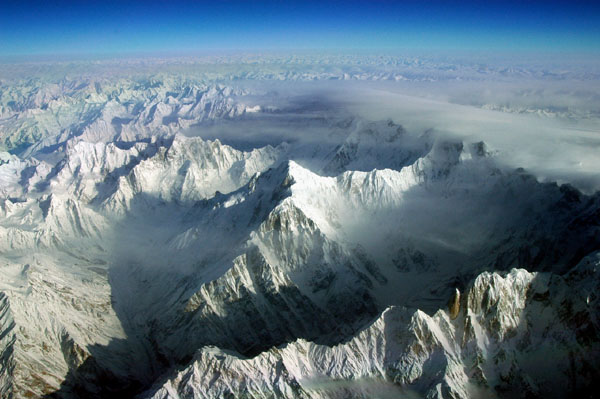

Geography and principal features
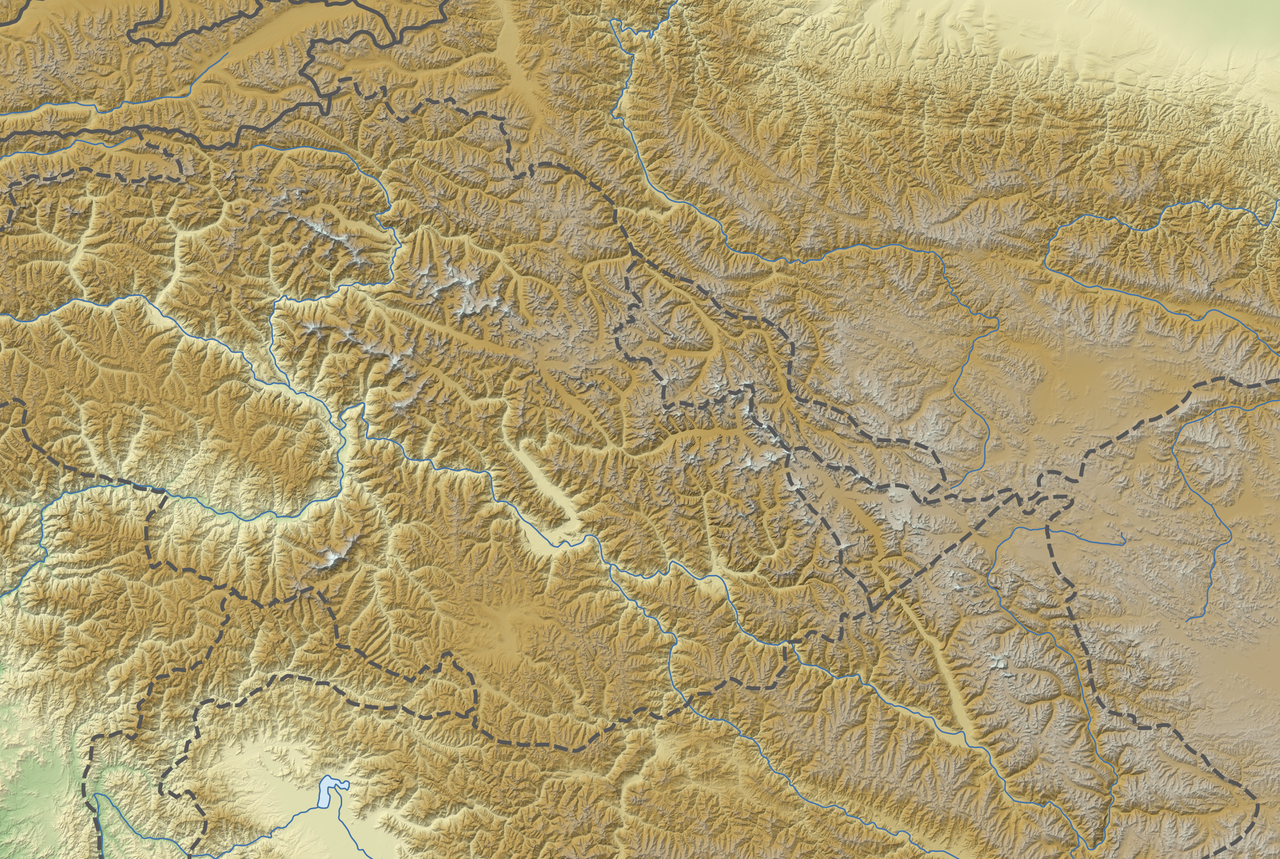
The subrange stretches roughly from the Bar Valley in the east westward toward the Kurumbar area. Its most prominent glacier is the Batura Glacier, which flows along the southern flank and is one of the major valley glaciers outside the polar regions. Peaks here are typically steep and glaciated, with long couloirs and connected ridgelines that make approach and climbing technically demanding.
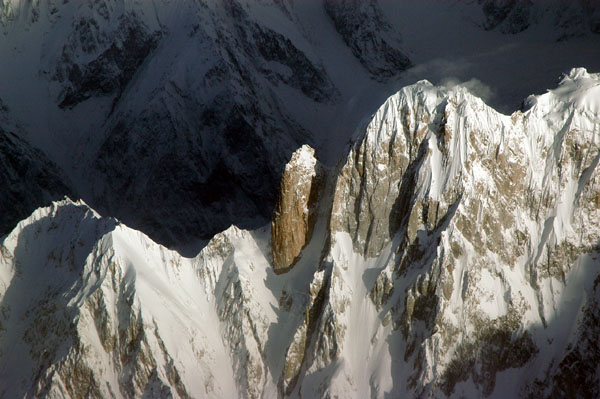
Among its better known summits is Batura Sar, the highest peak in the group, and the massif includes Muchu Chhish, notable for remaining one of the highest peaks to resist a confirmed ascent. These peaks and the intervening icefields form a compact but complex high‑altitude landscape that is weather‑exposed and avalanche‑prone in winter.
History and mountaineering
Exploration and mountaineering in the Batura Muztagh increased during the 20th century as surveyors and climbing parties expanded beyond the better known central Karakoram. First ascents of the main summits came in the mid to late 20th century; however, several high faces and subsidiary towers have seen little or no successful ascent because of difficult access, unstable seracs and objective hazards. The area attracts climbers seeking technical lines away from busier expeditions.
Human presence, access and use
Settlements in valleys such as Bar and surrounding hamlets are sparse and traditionally based on pastoralism and small‑scale agriculture during the short summer season. Trails approach the icefields from local villages and from routes connected to the wider Hunza and Gilgit districts, so most expeditions begin with long approaches. The subrange is also a focus for glaciological studies because its glaciers contribute to downstream rivers and local water supplies.
Significance and conservation
The Batura Muztagh is important both for mountaineering and for regional ecology: its glaciers store and release meltwater that feeds tributaries of the Indus basin. Like other high mountain areas, it is sensitive to warming trends that alter snowline, glacier mass balance and seasonal flows. Conservation and local planning efforts increasingly balance traditional livelihoods, trekking and climbing with the need to monitor glacial change.
- Location: Gilgit‑Baltistan, Pakistan; western extreme of the Gilgit‑Baltistan mountain systems.
- Notable features: Batura Glacier; high summits including Batura Sar and Muchu Chhish.
- Visitors: technical climbers, trekkers with local support, and scientific teams.
Further information on the geology and climbing history of the Batura Muztagh is available through regional mountain research and expedition reports; general background on the broader range can be found via resources linked to the Karakoram and regional studies of northern Pakistan.
Questions and answers
Q: What is the Batura Muztagh?
A: The Batura Muztagh is a group of mountains in the Karakoram mountain range. It is a subrange, or smaller mountain range inside of a larger one.
Q: Where is the Batura Muztagh located?
A: The Batura Muztagh is located in Gilgit-Baltistan, Pakistan.
Q: Is it the most western of the Karakoram subranges?
A: Yes, it is the most western of the Karakoram subranges.
Q: How far does it run from east to west?
A: The Batura Muztagh runs from Chalt village in Bar Valley in the east to Kampir Dior in the Kurumbar Valley in the west.
Q: Does this subrange include Muchu Chhish?
A: Yes, this subrange includes Muchu Chhish which is second highest unclimbed mountain in the world.
Q: What makes Muchu Chhish so special?
A: Muchu Chhish is special because it's considered to be second highest unclimbed mountain in the world.
Related articles
Author
AlegsaOnline.com Batura Muztagh: western subrange of the Karakoram Leandro Alegsa
URL: https://en.alegsaonline.com/art/9615