
Standing start (motorsport)
A standing start is a racing start from rest where competitors begin from a static grid or line. Common in single-seaters, touring cars, drag racing and short-course off-road, it emphasizes reaction and launch technique.
Overview
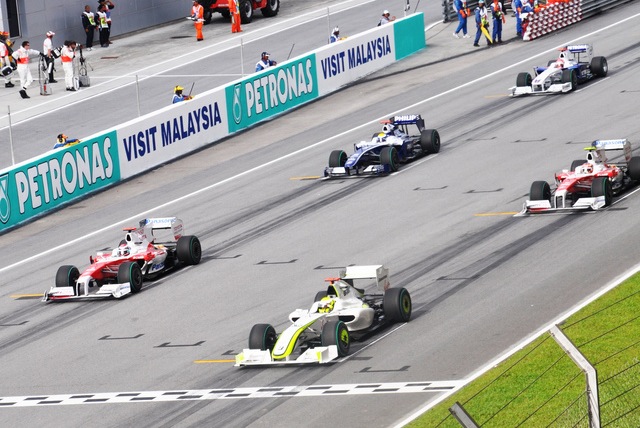
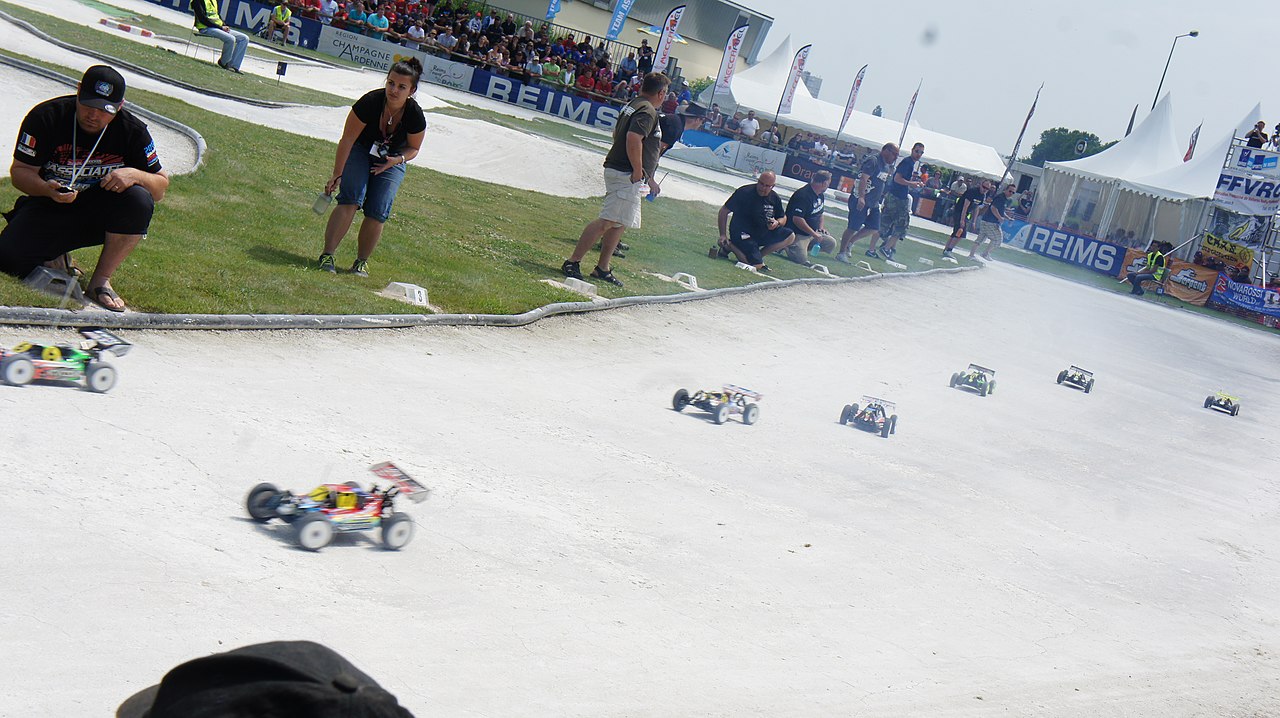
A standing start is a method of beginning a motor race in which vehicles are motionless on a designated grid or line when the start signal is given. Unlike a rolling start — where cars follow a pace vehicle and cross the start line at speed — a standing start requires drivers to launch from zero. This format is used across many disciplines, notably single-seat formula racing, touring car championships, short-course off-road events and drag racing, and it places a premium on clutch control, reaction time and traction management.
Image gallery
5 Images


Procedure and grid formation
Races that use standing starts typically follow a preparatory lap (often called a formation or parade lap) to warm tires and brakes. After the formation lap competitors line up in a pre-determined grid order, which may be based on qualifying results, reverse-grid rules, or handicaps. A light signal or flag sequence then initiates the start: lights count down or change colour, and when the final signal is given all drivers may accelerate. In drag racing, a specialized starting device known as a "Christmas Tree" provides a column of lights and staging indicators to measure reaction time precisely; see drag racing for a detailed example.
Techniques and equipment
Successful standing starts combine mechanical setup and driver technique. Manual launch control, clutch bite point modulation and throttle application are tuned to minimize wheelspin while maximising acceleration. Modern race cars sometimes include electronic aids such as launch control systems and traction control in series where regulations allow them. Drivers practice heel-and-toe, clutch slipping and quick throttle response to optimize off-the-line performance while avoiding stalling or excessive wheelspin.
Risks, common problems and penalties
Standing starts are inherently riskier in close-packed grids because a stalled or slow-starting car can be struck by vehicles behind it. Other common problems include wheelspin, excessive wheel lock from anti-lock braking systems being inactive, and false starts. Motorsport regulations enforce penalties for early movement — often called "jumping the start" — and these can range from time penalties and drive-throughs to grid demotions or disqualification, depending on the series and severity.
Comparison with rolling starts
Compared with rolling starts, standing starts test individual driver skill at launch and can produce dramatic position changes off the line, making them popular with spectators. Rolling starts tend to be used where safety is a priority (for example on narrow ovals or in series that want to avoid first-corner pileups) because cars are already at speed and gaps can be larger. Series choose one method or the other based on tradition, safety assessments and the nature of the circuit.
History and notable variations
Stationary starts date back to early road and track racing when grid-line beginnings were simpler and signaling was basic. Over time, procedures evolved into the light-based systems used today and into specialized formats such as drag-racing staging beams and multi-car grid formations in touring car events. Variations include staggered grids, standing starts from a single-file line in some off-road formats, and hybrid procedures that mix standing and rolling elements to suit particular events or safety needs.
Related articles
Author
AlegsaOnline.com Standing start (motorsport) Leandro Alegsa
URL: https://en.alegsaonline.com/art/93339
Sources
- nhra.com : "NHRA 101"
- formula1.com : "Latest News"
- query.nytimes.com : query.nytimes.com/mem/archive-free/pdf?res=F30B16FB3D5A15738DDDAC0994D9405B878CF1D3