
Start (beginning of an action, event, or process)
A start is the initial point or action that begins an activity, event, or process. Covers uses in sports, machinery, computing, ceremonies, and distinctions like false starts and restarts.
Overview
A start marks the initial moment when something moves from rest, planning, or potential into action. As a noun it denotes the beginning of an activity or event; as a verb it means to set that action in motion. The concept applies to physical events, mechanical systems, human activities and abstract processes: a race begins at a starting line, an engine begins when the ignition engages, and a procedure begins when its first step is taken.
Image gallery
2 Images
Common contexts
Starts appear in many domains and take different forms depending on purpose and medium. Some common types include:
- Sporting starts, where competitors begin a timed contest.
- Mechanical and automotive starts, when engines or machines are switched on.
- Computing and electronics, where devices boot or applications open.
- Ceremonial or formal starts, such as openings, inaugurations or countdowns.
Starts in sport
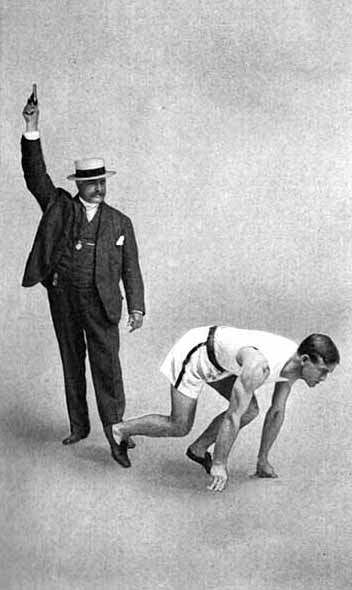
In competitive events the start is often regulated to ensure fairness. Officials use a marked starting line, audible or visual signals, and sometimes timing systems. A common example is the start of a race, where a signal—traditionally a raised flag or a starter’s pistol—triggers simultaneous action. Rules address premature movement (a false start) and procedures for recalls or restarts.
Machines and technology
For engines and powered devices, starting involves initiating a running state: engaging an ignition system, activating a starter motor, or supplying power. Modern vehicles may use keys, push-button ignition or electronic start systems. In computing, "start" often refers to booting an operating system or launching an application; user interfaces also include a "Start" menu or command to begin tasks. For practical guidance on engaging a motor, see resources about starting an engine.
History, ritual and importance
Beginnings have symbolic weight in many cultures. Ceremonial starts—ribbon-cuttings, countdowns and inaugural speeches—mark transitions and confer legitimacy. Historically, devices and customs evolved to make starts clear and measurable: audible signals, standardized lines, and timing instruments improved fairness and coordination in competitive and technical contexts.
Related terms and distinctions
"Start" overlaps with words like begin, commence and initiate but often emphasizes the moment or action that sets a process in motion. Distinctions include a false start (an invalid or premature beginning), a restart (resuming or beginning again), and start-up, which can refer to a new business rather than the act of starting. Understanding the context clarifies which meaning applies.
Related articles
Author
AlegsaOnline.com Start (beginning of an action, event, or process) Leandro Alegsa
URL: https://en.alegsaonline.com/art/93495