
Stamp collector (philatelist)
An overview of stamp collecting (philately): scope, methods, materials, specialisms, preservation, market aspects, clubs and expertizing. Practical guidance for beginners and serious collectors alike.
Overview
A stamp collector, commonly called a philatelist, acquires and studies postage stamps and related postal materials as a hobby or scholarly pursuit. Collections range from broad assemblies of issues from many countries to tightly focused studies of a single stamp, printing variety, route or era. Collecting combines aesthetic appreciation, historical interest and careful preservation. For a concise definition and starter guidance, many beginners consult introductory resources.
Image gallery
10 Images


Terminology and scope
Philately covers more than adhesive stamps: it includes postal stationery, covers (envelopes with postal markings), postmarks, and associated ephemera. Collecting approaches include thematic (topical) collecting, country or regional studies, postal history, and specialized collecting of printing varieties, errors and plate flaws. The study often overlaps with history, art, geography and technology.
Materials and methods
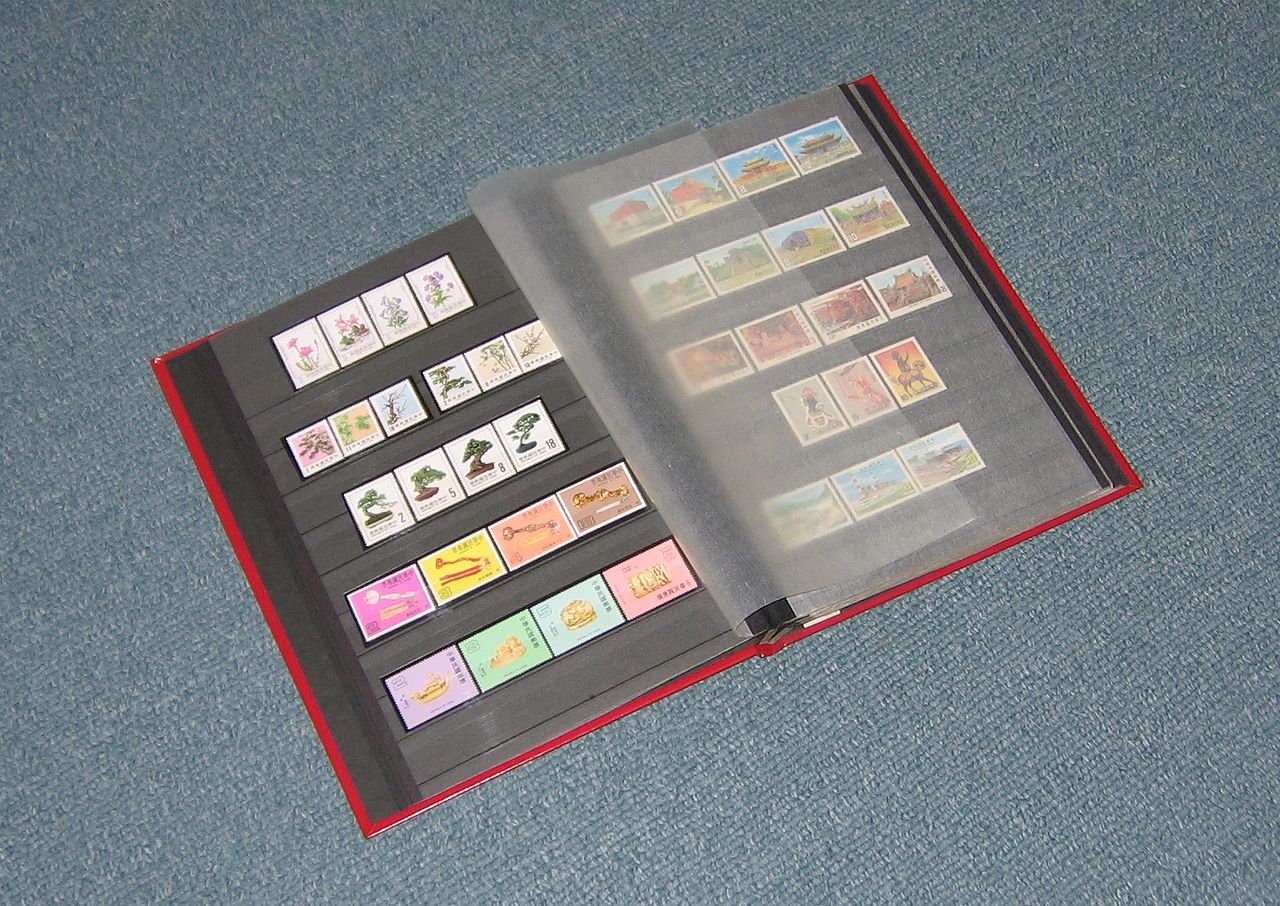
Collectors typically store stamps in albums or stockbooks, using mounts or hinges to secure items while minimising damage. Common tools and supplies include tweezers (tongs) to avoid oils from fingers, magnifiers for fine detail, perforation gauges and watermark detectors, and archival-quality mounts for protection. Many collectors keep written or digital catalogues, noting issue dates, catalogue numbers and provenance. Beginners can explore recommended albums and supplies through general buying guides and suppliers listed at albums and supplies.
- Albums and mounting: Self-adhesive or page-mounted formats, loose-leaf albums and stockbooks; mounts are preferred for mint stamps.
- Identification tools: Catalogues, reference handbooks, and comparison under magnification help identify varieties.
- Recording and cataloguing: Many collectors use standard catalogue numbers and personal inventories to track holdings and value.
History and community
Stamp collecting began soon after the introduction of postage stamps in the 19th century, and the hobby expanded with printed catalogues, dealers and clubs. Today, local and national societies support study, exhibitions and exchange. Clubs organise meetings, swaps and educational sessions; directories of societies and events can often be found via society directories.
Care, condition and value
Condition largely determines a stamp's collectability and market value: gum condition, centring, perforations and absence of damage matter. Proper storage—stable temperature, low humidity, protection from light and pollutants—extends the life of stamps. Avoiding adhesives, excessive moisture and direct sunlight reduces fading and deterioration. For valuation, commercial catalogues and pricing services give reference values, though market prices fluctuate; collectors consult catalog references and recent auction results.
Forgeries, expertizing and ethics
Because some stamps and postal history items can be valuable, forgeries and altered items exist. Serious collectors learn basic detection techniques and may seek expert opinions. Expertizing services examine items and provide certificates of authenticity; organisations that facilitate expertizing are listed in many specialist networks and directories at expertizing networks.
Exhibitions, study and advancement
Exhibitions and competitive displays promote research, rigorous documentation and high standards of presentation. Exhibit pages explain a collection's scope, significance and condition. Advanced study may involve research into printing methods, postal regulations, rates and routes. Many collectors publish findings in journals or present at meetings, contributing to philatelic scholarship.
Getting started and practical tips
- Start small: choose a focus that keeps interest—country, theme, era or technique.
- Learn to handle stamps properly and invest in basic supplies like tongs and mounts.
- Use reputable catalogues and compare like with like when assessing condition and value.
- Join a club or online community to learn from experienced collectors and access swaps and advice.
Whether casual or scholarly, philately connects people to postal history and culture through tangible artefacts of communication. Collecting fosters research skills, historical awareness and community participation, and can be adapted to many budgets and interests.
Author
AlegsaOnline.com Stamp collector (philatelist) Leandro Alegsa
URL: https://en.alegsaonline.com/art/93299
Sources
- commons.wikimedia.org : Philatelists
- simple.wiktionary.org : en:philatelist
- rpsc.org : Royal Philatelic Society of Canada