
Philately — The Study and Collection of Postage Stamps
Philately is the study and collecting of postage stamps and postal history, combining hobbyist collecting, scholarly research, and preservation of postal materials for historical and cultural insight.
Overview
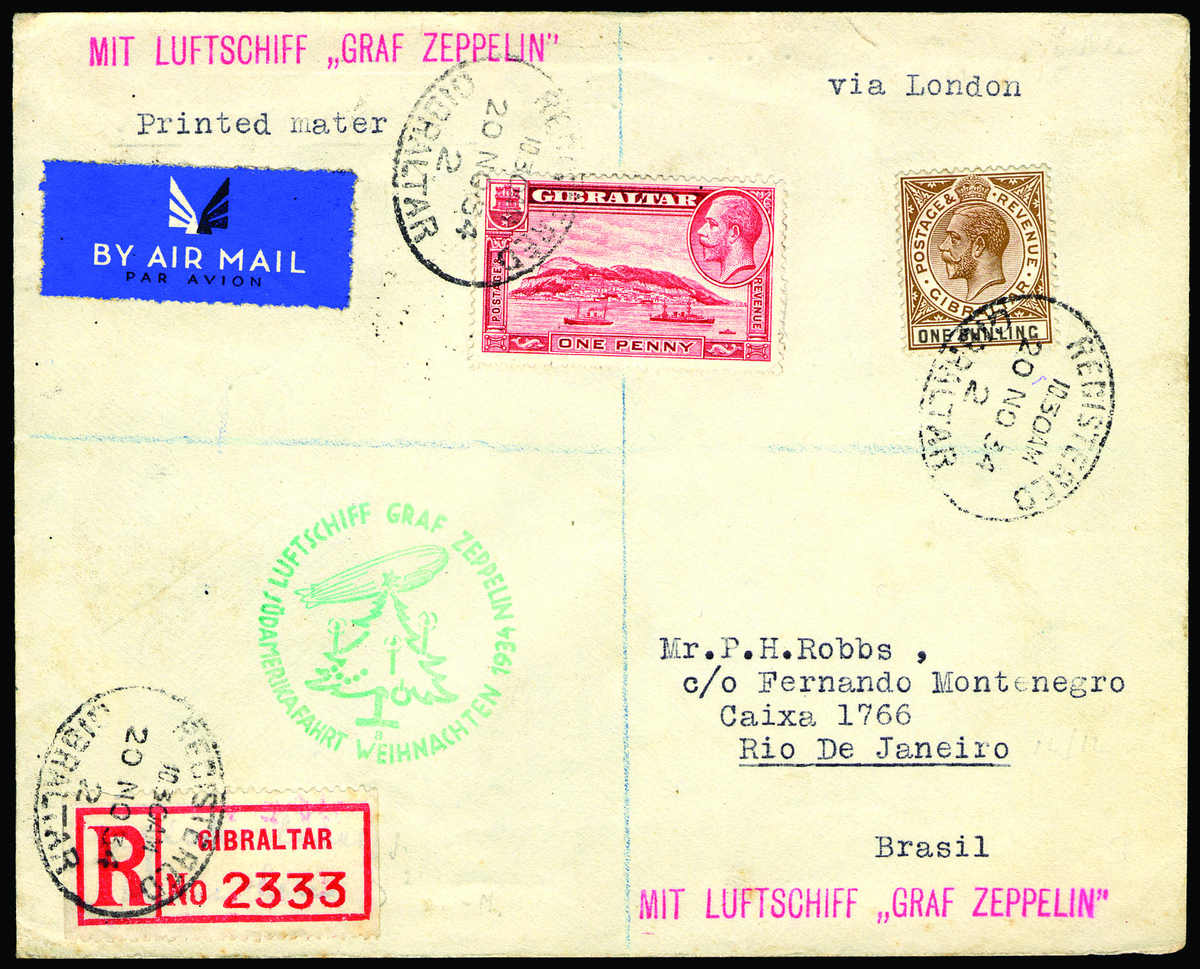
Philately is the study and collection of postage stamps and related postal materials. Enthusiasts examine stamps for their design, production methods, postal markings and historical context. While many participants collect for personal enjoyment, philately also supports research into communication systems, art, geography, and social history. The tangible objects central to this field include issued stamps, covers (envelopes or packages with postal markings), and other postal ephemera such as postcards and labels. See examples of stamps as primary objects of study.
Image gallery
5 Images



Characteristics and tools
Collectors and researchers evaluate items according to condition, rarity, and provenance. Important condition factors include centering, perforations, gum (on unused stamps), and the nature of cancellations on used material. To handle and preserve items without damage, collectors use specialized tools and supplies.
- Common tools: stamp tongs, magnifiers and watermark detectors.
- Storage: albums, stockbooks, mounts and archival sleeves.
- Reference: catalogs, expertizing services and postal history records.
History and development
Philately emerged after the introduction of adhesive postage stamps in the 19th century. As postal systems expanded, stamps became collectible objects and subjects of study. Over time, national and international societies formed to share knowledge, produce catalogs and run exhibitions. These organizations established standards for describing, grading and authenticating material.
Collecting types and uses
There are many approaches to collecting. Some collectors focus on a single country or era, others concentrate on themes such as animals, transportation, or space exploration (thematic collecting). Specialized branches study postal routes, rates and markings (postal history), airmail issues (aerophilately), or fiscal/revenue stamps. Philatelic material is used for education, exhibition, and sometimes investment, although values depend on scarcity and condition.
Cultural and contemporary relevance
Beyond hobbyist interest, philately preserves visual and documentary records of politics, technology and culture. Modern developments include digital catalogs, online marketplaces, and virtual communities that expand access to information and material worldwide. Museums, libraries and private collections continue to curate important holdings that support historical research and public appreciation of postal heritage.
Author
AlegsaOnline.com Philately — The Study and Collection of Postage Stamps Leandro Alegsa
URL: https://en.alegsaonline.com/art/76422