
Spinster: history, meanings and cultural context
Spinster is an older term for an unmarried woman, originating from an occupational name and later a legal designation; its meanings and social connotations have changed over time.
Overview
The word "spinster" has historically referred to a woman who has not married. In older records and common speech it described an adult female who remained unmarried, often carrying social meaning beyond simple civil status. Today more neutral phrases such as single woman or "bachelorette" are usually preferred.
Image gallery
4 Images

Origins and historical use
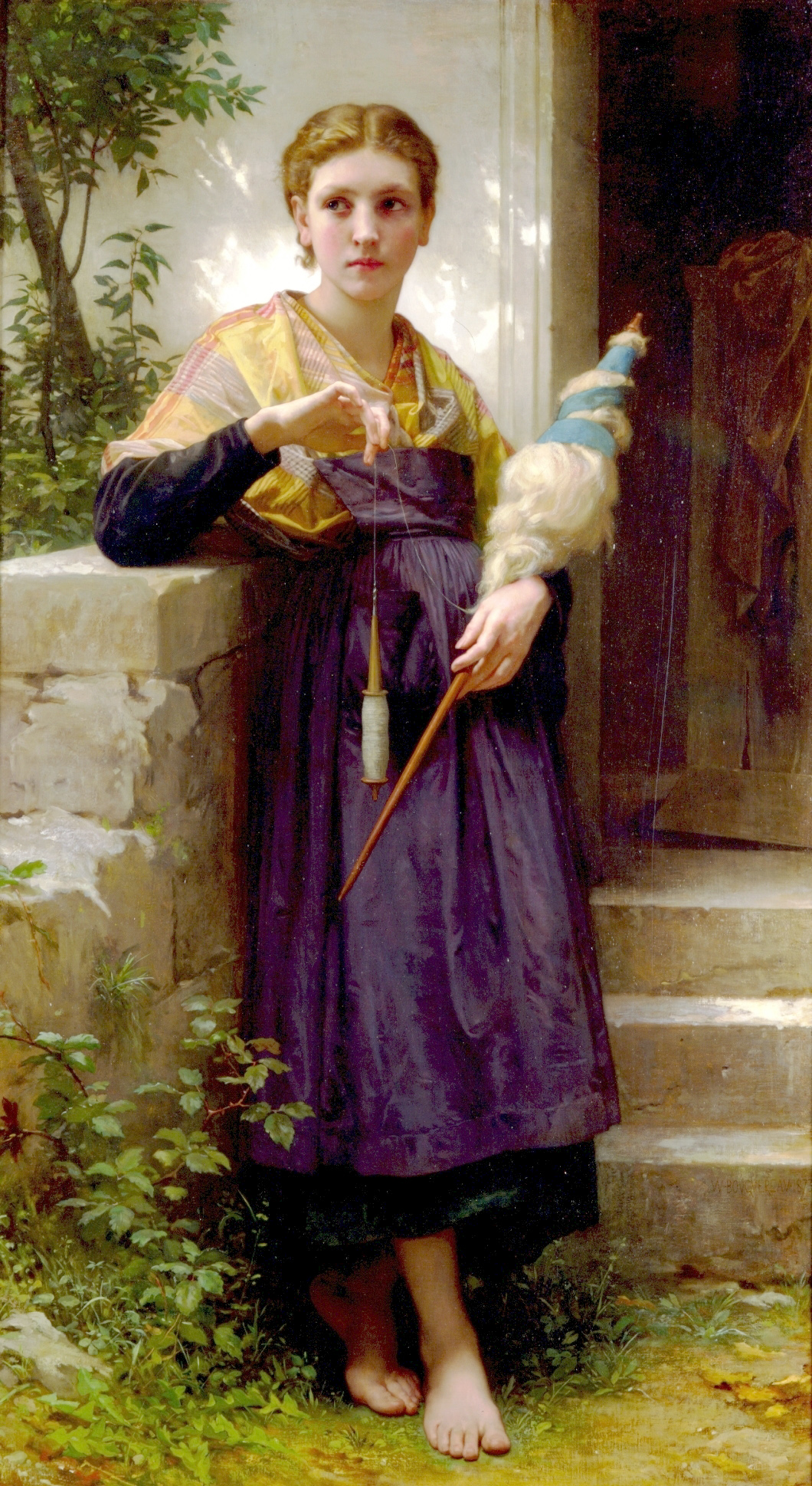
Originally the term grew from an occupation: a "spinster" was a woman who spun thread or yarn as part of household and small-scale textile production. Over centuries the occupation name crossed into legal and administrative language. In many jurisdictions and records, officials used "spinster" to indicate a woman's unmarried status on documents such as marriage registers, wills, and censuses.
Cultural connotations
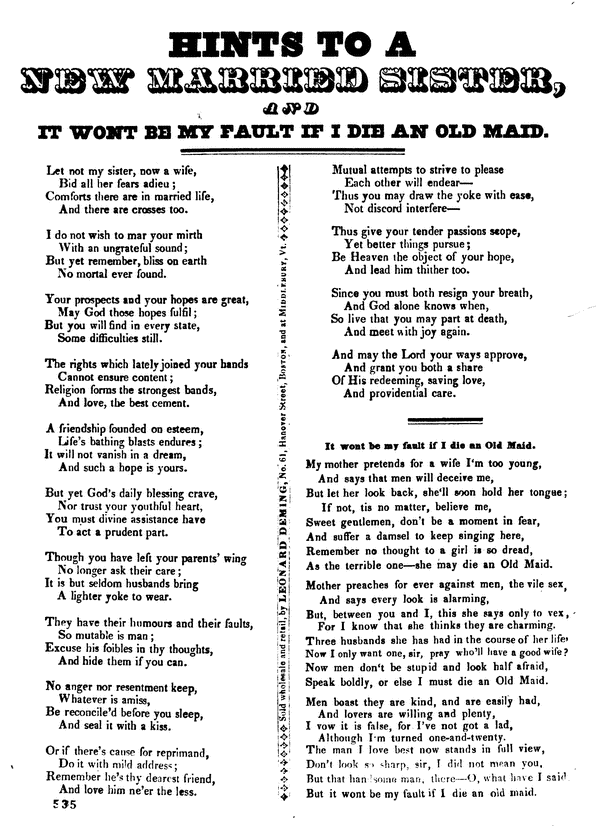
The label acquired social and cultural associations that went beyond marital state. Literary works, popular media and everyday speech often portrayed the "spinster" as older, solitary, or socially margined. This usage reflected and reinforced gendered expectations about marriage, family roles and respectability. The term could be neutral, descriptive, or pejorative depending on context and tone.
Modern usage and shifts
In contemporary English the word is much less common and is often considered archaic or derogatory. It remains visible in historical documents and in period literature, and is occasionally used deliberately for affect or irony. Some conversations have seen attempts to reclaim or neutralize the term, but mainstream usage favors nonjudgmental phrases such as "single" or "unmarried."
Distinctions and related terms
- Spinster — historically an unmarried woman; occupational origin.
- Maiden — older word often implying youth or virginity.
- Bachelorette — modern, informal term for an unmarried woman.
- Single — neutral contemporary descriptor for someone not married.
- Widow — a woman whose spouse has died; distinct from unmarried by choice or circumstance.
Understanding the term provides insight into changing gender norms, social language and how legal records captured personal status. When writing or speaking about people's lives today, choosing neutral, respectful language helps avoid outdated stereotypes.
Related articles
Author
AlegsaOnline.com Spinster: history, meanings and cultural context Leandro Alegsa
URL: https://en.alegsaonline.com/art/92696