
Strike action: purpose, forms, history and legal issues
A strike (strike action) is an organized work stoppage by employees to press demands on wages, hours, safety or other conditions. This article explains forms, history, legality, effects and distinctions.
Overview
A strike action, commonly called a strike, is an organized cessation of work by a group of employees to press demands on an employer. Strikes are typically called by a labor union or workers' committee and aim to improve pay, hours, benefits, safety, or other terms of employment. In everyday usage a strike involves many workers stopping work as a form of protest to gain leverage in negotiations over matters such as pay, scheduling or workplace conditions.
Image gallery
10 Images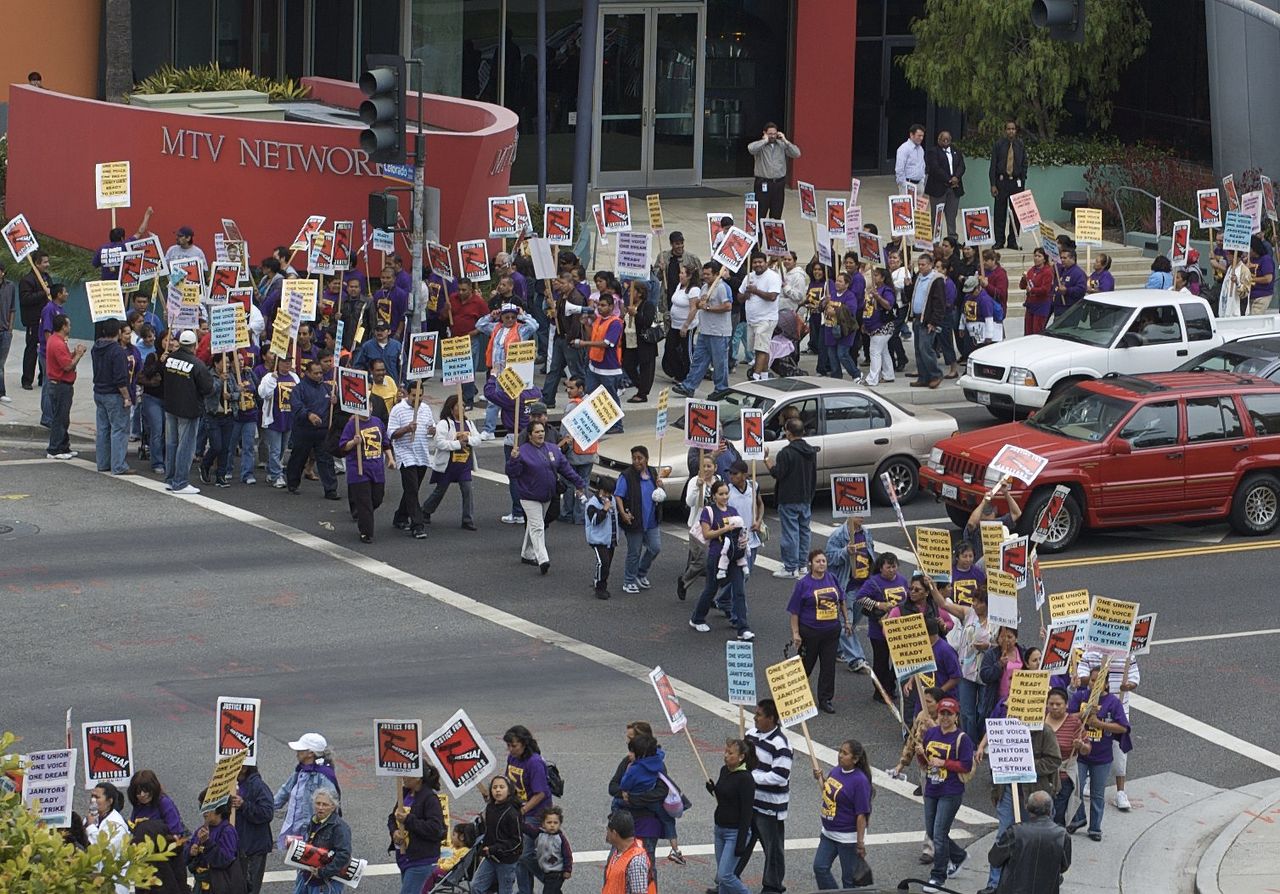


Forms and typical tactics
Strikes may take different shapes depending on strategy and legal context. The most familiar image is a picket line: employees gather near a workplace to demonstrate, distribute information and discourage business as usual. Picketing often features chanting and banners and may be coordinated to maximize visibility and public support.
- Picketing and public demonstrations, with participants carrying signs and signs and sometimes chanting slogans.
- Work stoppages that halt production or services directly (full strikes) or target specific tasks (partial strikes, rotating strikes).
- Sympathy or secondary strikes in which workers with no direct dispute refuse to cross a picket line in show of solidarity.
- Other tactics such as work-to-rule, slowdowns, or sit-ins that reduce output without a complete walkout.
Legal status and workplace rights
Legal protections for striking workers vary widely. In some jurisdictions strikes are a protected form of collective bargaining, subject to rules about notice, elections and limits on essential services. In other places strikes are heavily restricted or criminalized. Employers may respond with lockouts, hiring replacement workers, or pursuing legal remedies. Many legal systems distinguish lawful collective action from illegal walkouts, for example by requiring a ballot or a bargaining impasse before a strike can proceed.
Origins and historical development
Strikes became an important tool during rapid industrialization when large numbers of people worked in factories and mines and had limited legal or economic protections. The growth of organized trade unions provided the structure to coordinate collective actions and negotiate on behalf of members. Over time, strikes have shaped labor law, workplace standards and political debates about economic justice and public policy.
Impact, examples and importance
Strikes can have immediate economic effects on employers and communities and broader social consequences by drawing attention to workplace grievances. They are used across many sectors, including manufacturing, public transit, health care, education and logistics. Acts of solidarity — for example, refusing to cross a picket line or withholding services to a targeted employer — amplify pressure; a truck drivers' union may decline deliveries to a facility under strike to support colleagues and sustain the dispute, illustrating how related industries can influence outcomes (truck driving unions).
Distinctions and notable facts
There are several terms often associated with strikes that describe different circumstances: a lawful strike follows statutory requirements; a wildcat strike is an unauthorized walkout by workers without union approval; a lockout is an employer's refusal to allow workers to work in order to force concessions; and a boycott targets customer behaviour rather than direct labor. The visible symbols of many strikes — picket lines, banners and coordinated chants — serve both practical and symbolic purposes in shaping public opinion and bargaining leverage.
For further reading and resources, see union guides and legal summaries that explain rights and steps for organizing. Additional information is available through general labour movement histories and contemporary reports on industrial action in specific sectors or regions.
Industrial Revolution context, factories and mines are often cited in historical discussions of early strikes. For practical how-to resources and contemporary examples consult workplace organizations and official labour boards referenced at workers' organizations and other advocacy pages.
Questions and answers
Q: What is a strike action?
A: A strike action is when many workers stop working in protest.
Q: Why are strikes usually held?
A: Strikes are usually done by a labor union to get better pay, hours, or working conditions.
Q: When did strikes become important?
A: Strikes became important during the Industrial Revolution, when many worked in factories and mines.
Q: Is striking illegal in all countries?
A: In many countries, striking is against the law, but in other countries, people who strike are protected under certain conditions.
Q: What is a picket line?
A: Strikes generally take the form of a picket line. The workers walk in front of where they work, chanting and holding signs.
Q: Do workers on strike usually stop people from crossing the picket line?
A: Workers on strike usually do not stop people from crossing the picket line.
Q: Why do some people choose not to cross a picket line?
A: Some people choose not to cross a picket line to buy something from the company as a way of showing solidarity (or support) for the union.
Related articles
Author
AlegsaOnline.com Strike action: purpose, forms, history and legal issues Leandro Alegsa
URL: https://en.alegsaonline.com/art/94280