
Squatting: informal occupation of vacant land and buildings
A neutral overview of squatting: what it is, why it occurs, common forms, legal responses, and notable examples such as Freetown Christiania.
Squatting is the informal occupation of land or buildings without the owner’s permission. It most commonly refers to people moving into vacant residential properties or unused land to live, although commercial and industrial spaces can also be occupied. Motivations range from immediate need for shelter to political protest or attempts to claim long-term possession. Public discussion of squatting touches on housing shortages, property law, social movements and urban policy.
Image gallery
10 Images


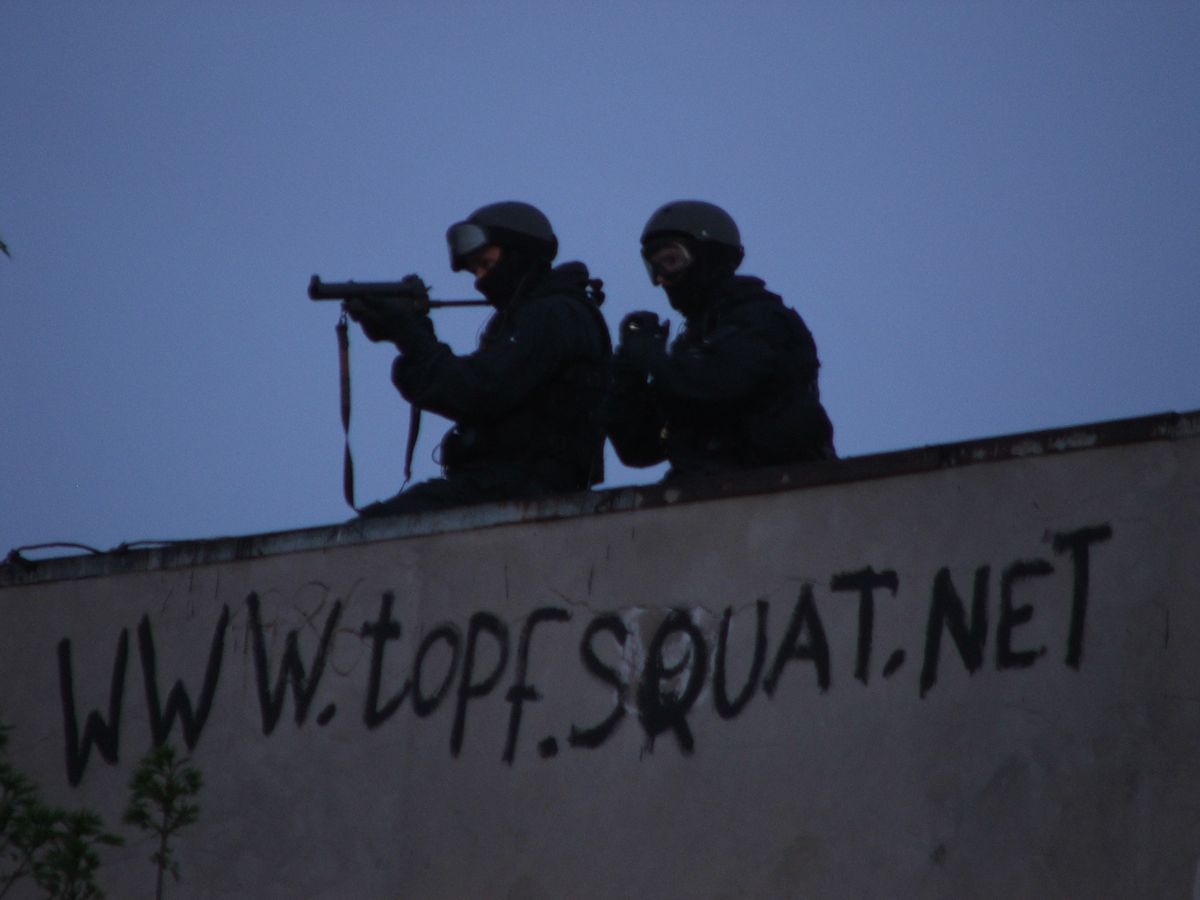
Characteristics and common forms
Squatting takes several forms depending on context and intent. Residential squats are dwellings established by homeless or low-income people seeking shelter. Informal settlements and shantytowns—often called favelas, slums or barrios in different countries—can grow when large numbers of households occupy land on the urban fringe. Other forms include temporary occupation of disused industrial premises, collectivized spaces used for cultural or political projects, and agricultural squatting on unused rural land.
Why squatting happens
- Housing shortage and affordability crises that leave people without legal options.
- Poverty and displacement driven by economic or social change.
- Political or artistic movements that use occupation to protest policy, create autonomous zones, or repurpose unused assets.
- Opportunistic use of long-abandoned buildings where enforcement is weak.
Legal responses and outcomes
Responses to squatting vary by jurisdiction. In some places, authorities carry out evictions and criminal prosecutions; in others, long-term occupation can lead to legal recognition through doctrines such as adverse possession or formal regularization programs. Municipalities sometimes negotiate with occupants to provide services, convert squats into social housing, or relocate residents. Enforcement, humanitarian concerns and political considerations shape whether occupants are removed, tolerated, or integrated into official housing plans.
History, movements and notable examples
Squatting has a long history wherever property rights, urban change and inequality intersect. In the 20th and 21st centuries, it has appeared both as a symptom of rapid urbanization and as a deliberate strategy of protest and self-organization. One well-known example is Freetown Christiania, a self-declared autonomous community established in Copenhagen in the 1970s that developed from a squatted military zone into a distinctive neighborhood with its own norms and legal disputes. Broader estimates of global informal settlement populations vary; for instance, a 2004 proposal by a scholar suggested very large numbers of people living informally worldwide, but precise counts are contested.
Importance and distinctions
Squatting raises complex questions about the right to housing, property law, urban planning and social justice. Distinctions matter: emergency shelter occupations differ from long-standing informal neighborhoods; politically motivated squats contrast with survival-driven settlements. Policymakers balance property rights, public safety and human needs when deciding whether to enforce evictions, offer alternatives, or pursue regularization. For practical definitions and local guidance, see a general resource on property and occupancy: more information.
Questions and answers
Q: What is squatting?
A: Squatting is when someone starts living on empty land or in an empty building (usually a residential building) which the squatter does not own, rent or have permission to use.
Q: How many squatters were suggested to be in the world by Robert Neuwirth in 2004?
A: Robert Neuwirth suggested in 2004 that there were one billion squatters in the world.
Q: What is the most common type of squatting?
A: Most squatting is residential.
Q: Why does squatting usually happen?
A: Squatting usually happens when a poor and homeless population sees old property or land.
Q: What is Freetown Christiania?
A: Freetown Christiania is a popular place for squatters.
Q: What type of property is usually squatted on?
A: Squatting usually happens on empty land or in an empty building (usually a residential building).
Q: What does a squatter not have when they start living on a property?
A: When someone starts living on a property as a squatter, they do not own, rent or have permission to use the property.
Related articles
Author
AlegsaOnline.com Squatting: informal occupation of vacant land and buildings Leandro Alegsa
URL: https://en.alegsaonline.com/art/92947
Sources
- slate.com : "Homesteaders in the Hood"
- king5.com : City moves to evict homeless campers
- books.google.com : Ours to Lose: When Squatters Became Homeowners in New York City