
Bastide: medieval planned towns of southern France
Bastides are medieval planned towns—often fortified—built mostly in southwestern France in the 13th–14th centuries, notable for their grid layouts, central market square and arcaded houses; about 400 survive today.
Overview
A bastide is a type of planned town that emerged in medieval Europe, most famously in the south and southwest of France. Scholars and guidebooks often describe a bastide as a fortified town or newly founded settlement established in the Middle Ages. They appeared especially across southern France between major conflicts and changing political control, and roughly four hundred such towns still survive in recognisable form.
Image gallery
10 Images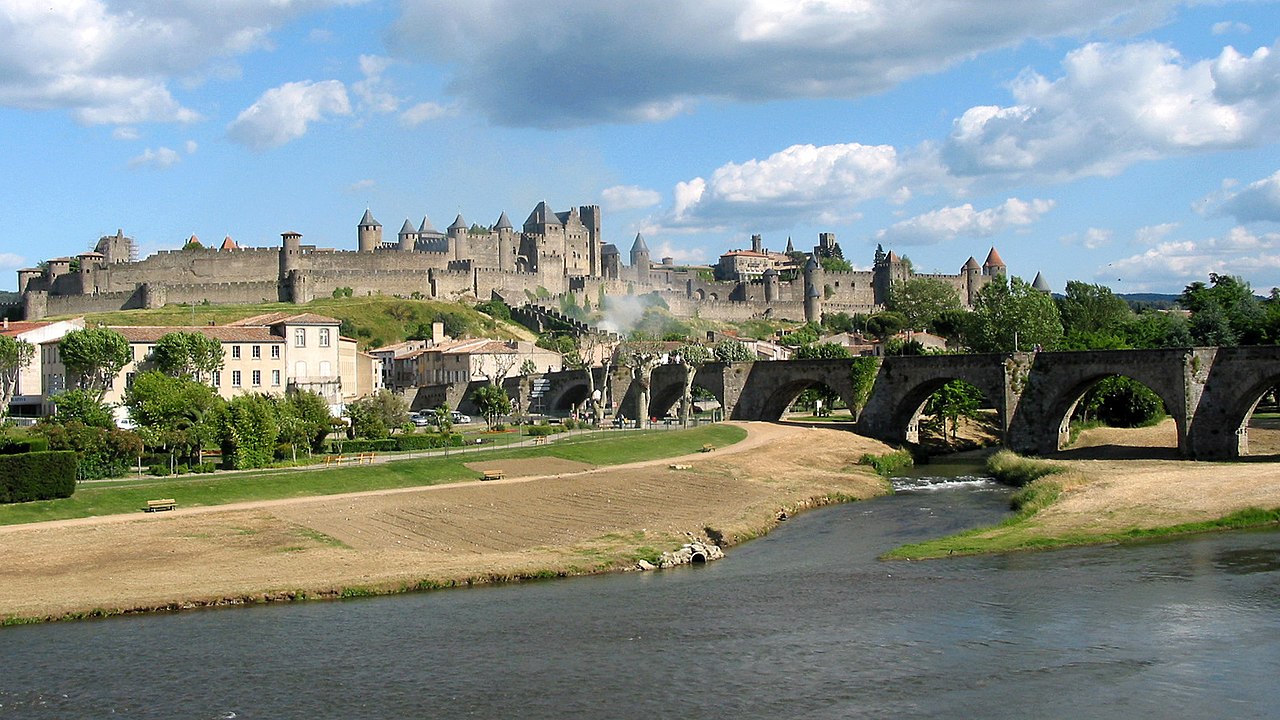




Design and defining features
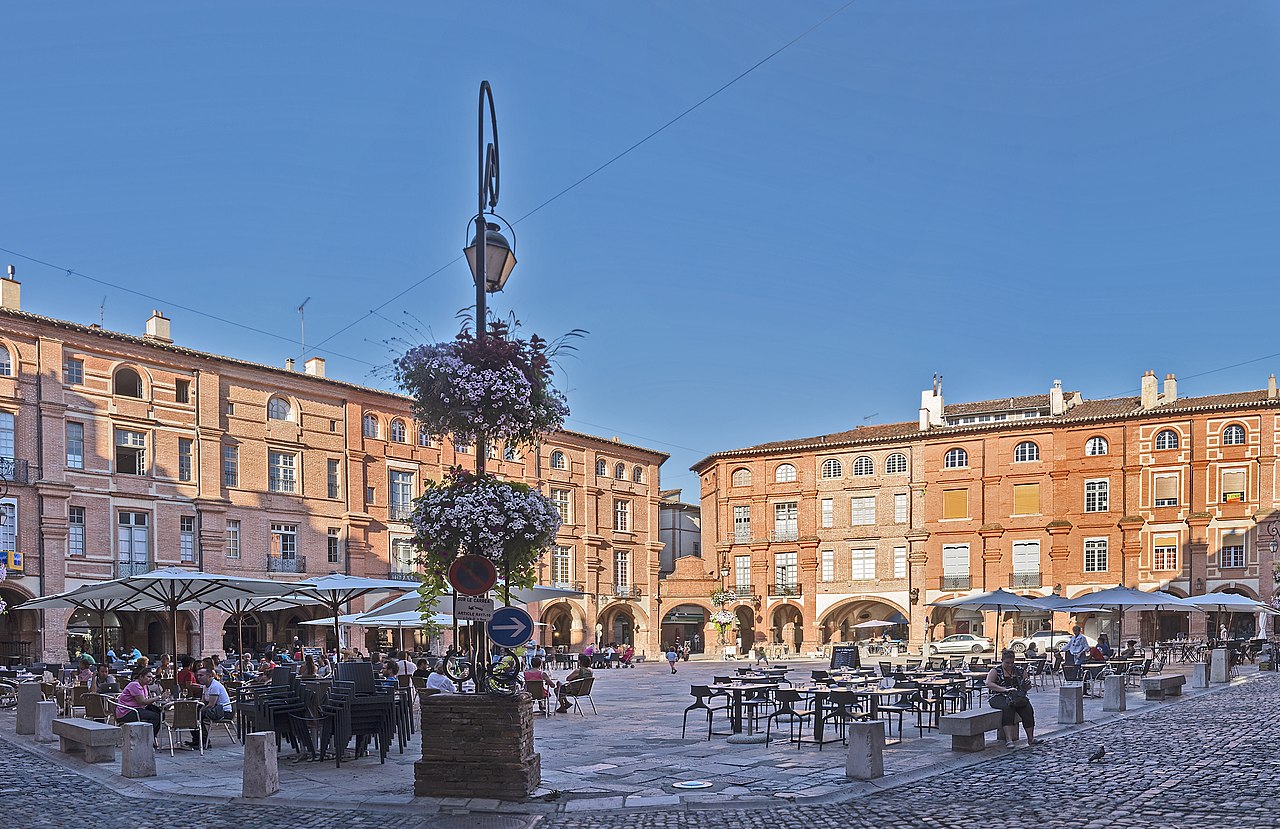
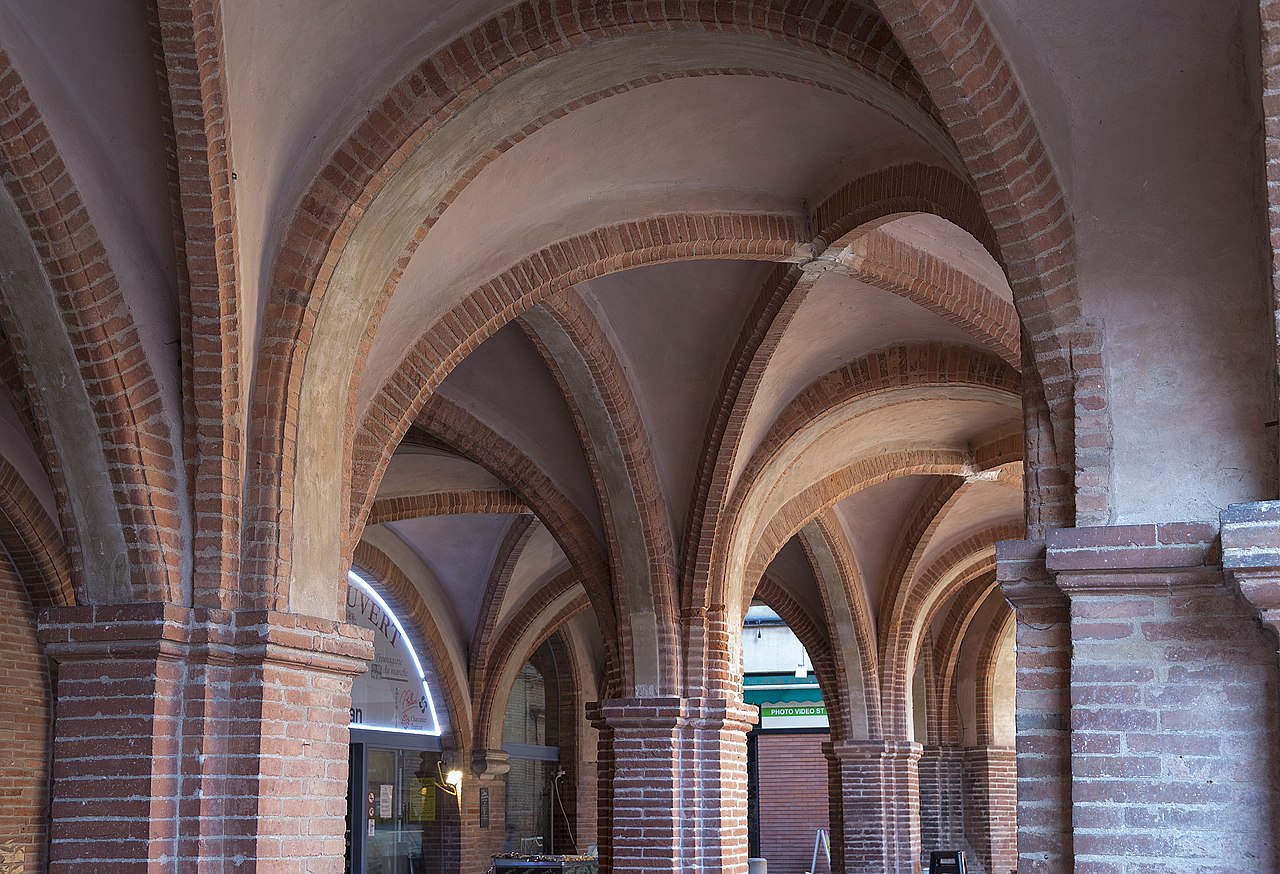
Bastides share a set of characteristic elements that reflect deliberate planning. Most have a clear orthogonal or rectangular street plan with regular blocks and plots; this layout contrasted with the organic growth of older medieval villages. The centre is dominated by a covered or open market space with arcaded buildings along its edges, often described simply as the market square. Houses and shops around this square frequently include arcades at ground level to shelter traders and shoppers.
- Geometric street grid or adapted grid (rectangular or near-rectangular).
- Central market place with regulated stalls and measurements (market square).
- Plot-based property tenure and a simple house frontage pattern.
- Sometimes walls, gates and towers when security was a concern (defensive siting).
Origins and historical context
Bastides were founded mainly between the early 13th century and the later 14th century, a period framed by events such as the Albigensian Crusade and the Hundred Years' War. Local lords, bishops, royal officials and communities created charters granting rights and incentives—land plots, temporary tax relief and market privileges—to attract settlers. Foundations were sited for economic access or for easy defence, whether on a hilltop or the open plain, and some included fortifications where necessary.
Examples, preservation and legacy
Well-preserved examples visible today illustrate the diversity of bastide planning. Places often cited in surveys include the fortified cité alongside later planned quarters in Carcassonne and several clearly laid-out towns in Aquitaine and the Midi. Some older guides also list towns beyond France in broad surveys, for instance mentioning Andorra la Vella in passing, but definitions and classifications can vary by source. Notable French examples widely visited are Monpazier, Villeneuve-sur-Lot and Domme, where the regular grid and market hall remain legible.
Importance and distinctions
Bastides are important for urban history because they represent early examples of deliberate municipal planning, legal innovation in charters and an effort to stimulate commerce and settlement. They should be distinguished from organic medieval towns and from later planned towns: bastides combine economic motive, social bargaining through charters and sometimes military concerns into a recognisable urban form. Today they are valued for heritage tourism, archaeology and the study of medieval law and settlement patterns; many have conservation protections and interpretive trails linking their public squares, arcades and street grid to visitors and researchers alike.
For further reading and maps of surviving towns, see general resources on medieval urbanism and regional lists maintained by heritage organisations and local archives (overview link, database, regional guide, historical period, crusade context, war context, market studies, plan examples, market architecture, arcades, defence siting, hilltop towns, plain sites, Carcassonne note, other listings).
Questions and answers
Q: What is a bastide?
A: A bastide is a fortified town that was built mainly in the south of France during the Middle Ages.
Q: When were most bastides built?
A: Most bastides were built between 1229 and 1373, between the Albigensian Crusade and the Hundred Years' War.
Q: How many bastides are there today?
A: There are about 400 bastides still in existence today.
Q: What do most bastides have in common?
A: Most bastides have a central square, a rectangular street layout, and houses with arcades on their market squares.
Q: Where were these towns usually located?
A: Bastides were usually built in places that were easy to defend, such as the top of a hill or on a plain.
Q: Are there any well-known examples of surviving bastides?
A: Yes, two well-known surviving examples of bastides are Carcassonne and Andorra la Vella.
Tags
Related articles
Author
AlegsaOnline.com Bastide: medieval planned towns of southern France Leandro Alegsa
URL: https://en.alegsaonline.com/art/9329