
Space Shuttle Buran (OK-1K1)
Buran (OK-1K1) was the Soviet Union's reusable orbiter developed in the 1970s–80s. It completed one automated orbital flight in 1988, the program was later cancelled, and the flown orbiter was destroyed in 2002.
Overview
Buran (designation OK-1K1) was the Soviet Union's response to the concept of a reusable winged spacecraft. Built as part of a broader expendable–reusable launch system, the orbiter resembled contemporary spaceplanes in appearance and carried both crew and cargo in a large internal bay. It is best known for completing a single unmanned, fully automated orbital flight before the wider programme was cancelled.
Image gallery
10 Images




Design and characteristics
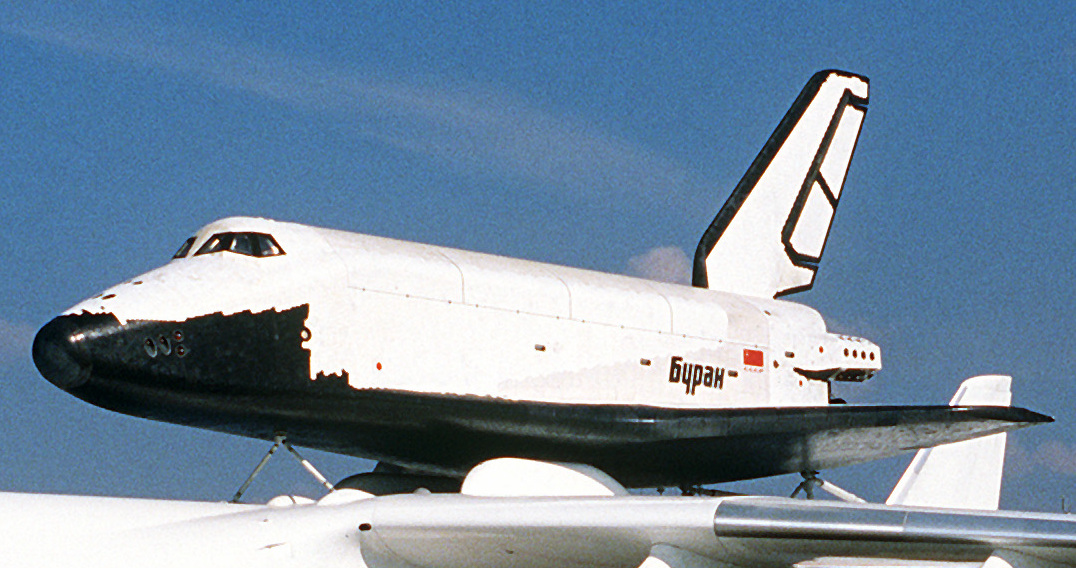
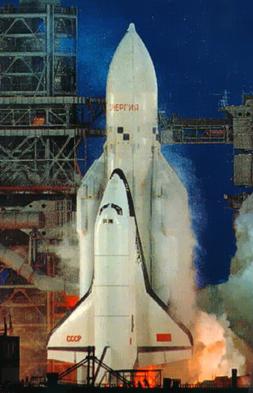
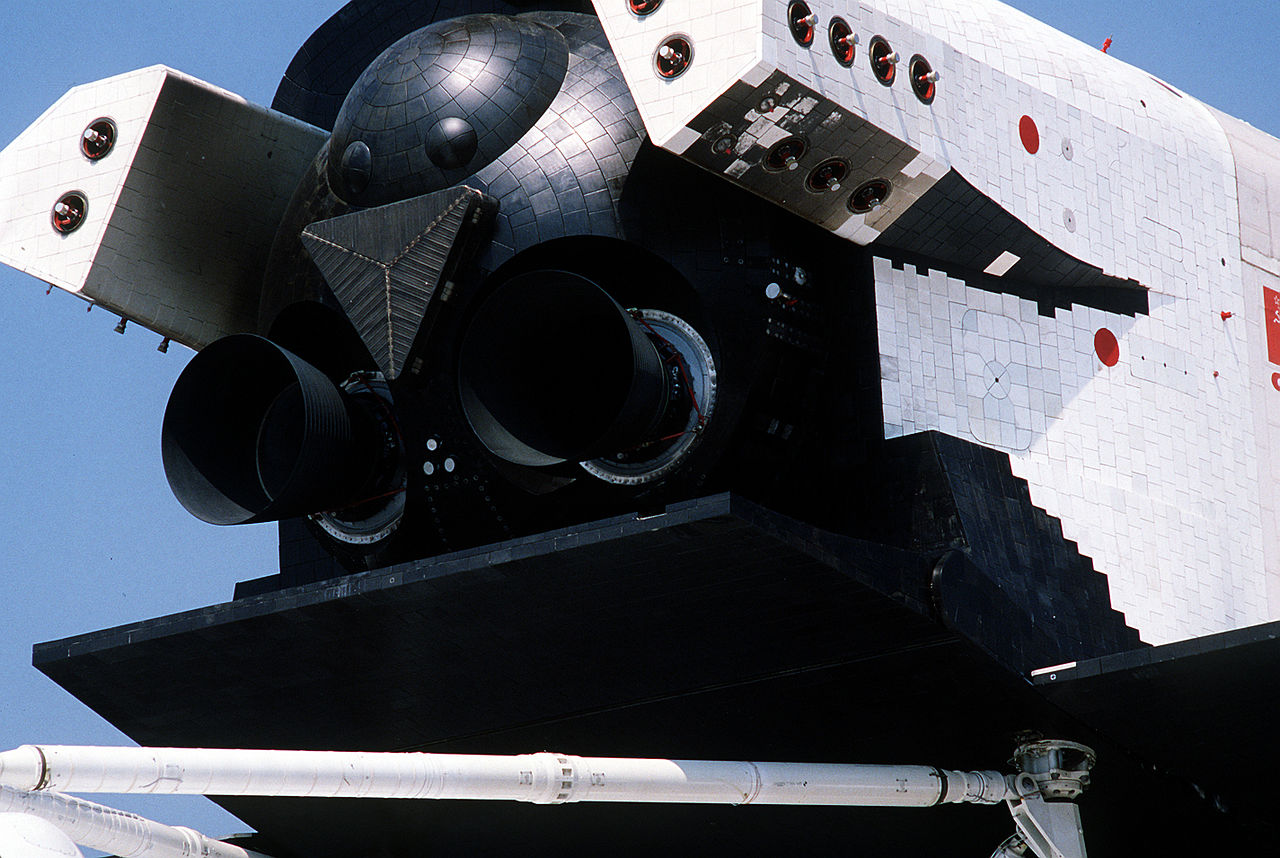
The Buran orbiter shared a shuttle-like configuration: delta wing, black-and-white thermal protection tiles, and a payload bay. Unlike the U.S. shuttle orbiter, the Buran did not have main engines that fired at launch; instead, it rode to orbit atop a powerful Energia heavy-lift rocket that provided all ascent thrust. Buran incorporated avionics for automated flight and reentry, a guidance and control suite capable of autonomous operations, and structural elements to carry satellites and other payloads.
Flight history and programme outcome
Buran flew once on an unmanned mission in the late 1980s and performed an automated re-entry and landing — a notable technical achievement for the time. After the collapse of the Soviet Union and changing budget priorities, the programme was progressively wound down and ultimately cancelled in the early 1990s. The flown orbiter was later destroyed in a hangar roof collapse in 2002.
Uses, importance and legacy
Planned uses for Buran included crew transport, satellite deployment and retrieval, and military and scientific missions. Although it never entered routine service, its development produced advances in automated flight control, thermal protection, and integration with the Energia rocket. Buran remains a marker of Cold War-era space competition and engineering ambition.
Notable facts
- Designation: OK-1K1; commonly called Buran ("snowstorm" or "blizzard" in Russian).
- Lift vehicle: launched on the Energia heavy-lift rocket rather than using orbiter-mounted main engines.
- Flight operations: accomplished an unmanned orbital flight and autonomous landing — one of the first spaceplanes to do so.
- Fate: full-scale flown orbiter destroyed in a 2002 hangar collapse; other prototypes and models survive in displays and museums.
For historical and technical context about the project and its place within Soviet space efforts, see resources on the Soviet Union space programme.
Related articles
Author
AlegsaOnline.com Space Shuttle Buran (OK-1K1) Leandro Alegsa
URL: https://en.alegsaonline.com/art/92413
Sources
- liftoff.msfc.nasa.gov : "Buran" · web.archive.org
- spaceflightnow.com : "Eight feared dead in Baikonur hangar collapse"