
Soup kitchen: community meal services for people in need
A soup kitchen provides free or low-cost hot meals to people facing poverty or homelessness. Typically run by charities, faith groups, or local authorities, they offer immediate nutrition and social support.
Overview
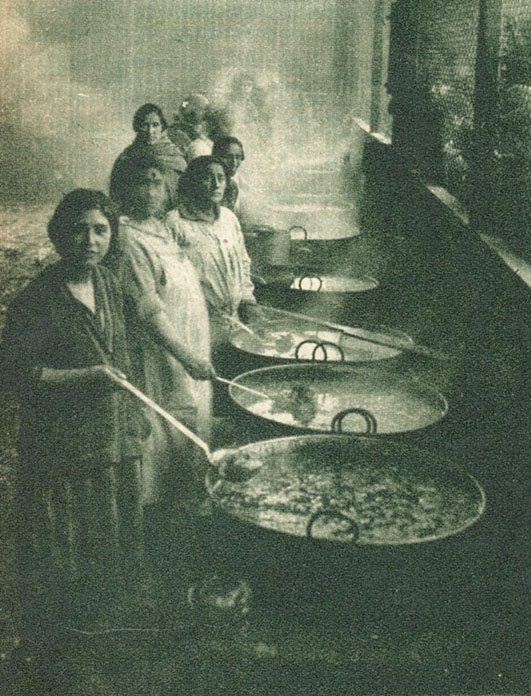
A soup kitchen is a community facility that prepares and distributes hot meals at little or no cost to people who are unable to afford regular food. While the name evokes simple soups and stews, many soup kitchens serve a range of items such as bread, hot drinks, and nutritious main courses. They focus on immediate food provision rather than long-term grocery distribution.
Image gallery
7 Images


Typical operations and services
Most soup kitchens are operated by nonprofit organizations, religious groups, civic volunteers, or municipal programs. Common features include:
- Regular meal hours where people can eat on-site or take a meal away.
- Volunteer cooks, servers, and administrators who manage food preparation and welcoming guests.
- Donated or bulk-purchased ingredients sourced from supermarkets, farms, food rescue groups, or community donations.
- Basic registration or intake procedures in some programs, though many operate on a no-questions-asked basis to reduce barriers.
History and development
Charitable meal provision has long roots in religious and mutual aid traditions. Soup kitchens became particularly visible during periods of economic hardship such as industrialization, economic depressions, and wartime shortages, when demand for immediate feeding outstripped household resources. Over time, soup kitchens evolved from ad hoc relief efforts into organized community services, often linked with broader social support networks.
Social role and importance
Beyond providing calories, soup kitchens can reduce hunger, offer a place of social contact, and connect guests with other services such as health care, housing referrals, or employment assistance. For many users the benefit is immediate relief combined with access to a supportive environment.
Distinctions and related services
It is important to distinguish soup kitchens from related food assistance models: food banks typically distribute groceries for home preparation, community kitchens may teach cooking skills, and shelters provide lodging as well as meals. Soup kitchens concentrate on ready-to-eat meals and accessibility.
Challenges and best practices
Common challenges include funding instability, supply consistency, volunteer management, and food-safety compliance. Best practices emphasize nutritious menus, dignity and privacy for guests, partnerships with suppliers and health services, and inclusive policies that reduce stigma.
Related articles
Author
AlegsaOnline.com Soup kitchen: community meal services for people in need Leandro Alegsa
URL: https://en.alegsaonline.com/art/92074