
Sophie Scholl: German student and member of the White Rose resistance
Sophie Scholl (1921–1943), a German university student, co-founded the White Rose group that distributed anti-Nazi leaflets. Arrested in 1943, she was executed; she is remembered as a symbol of moral resistance.
Overview
Sophie Scholl (born Sophia Magdalena Scholl, 9 May 1921 – 22 February 1943) was a German student and a leading member of the White Rose, a non‑violent resistance group that opposed the Nazi regime. She became known for her role in producing and distributing pamphlets that called for passive resistance, public conscience, and an end to Nazi crimes. Arrested in Munich in February 1943, she was tried and executed within days. Her courage and writings have made her a prominent symbol of principled opposition to tyranny.
Image gallery
4 Images

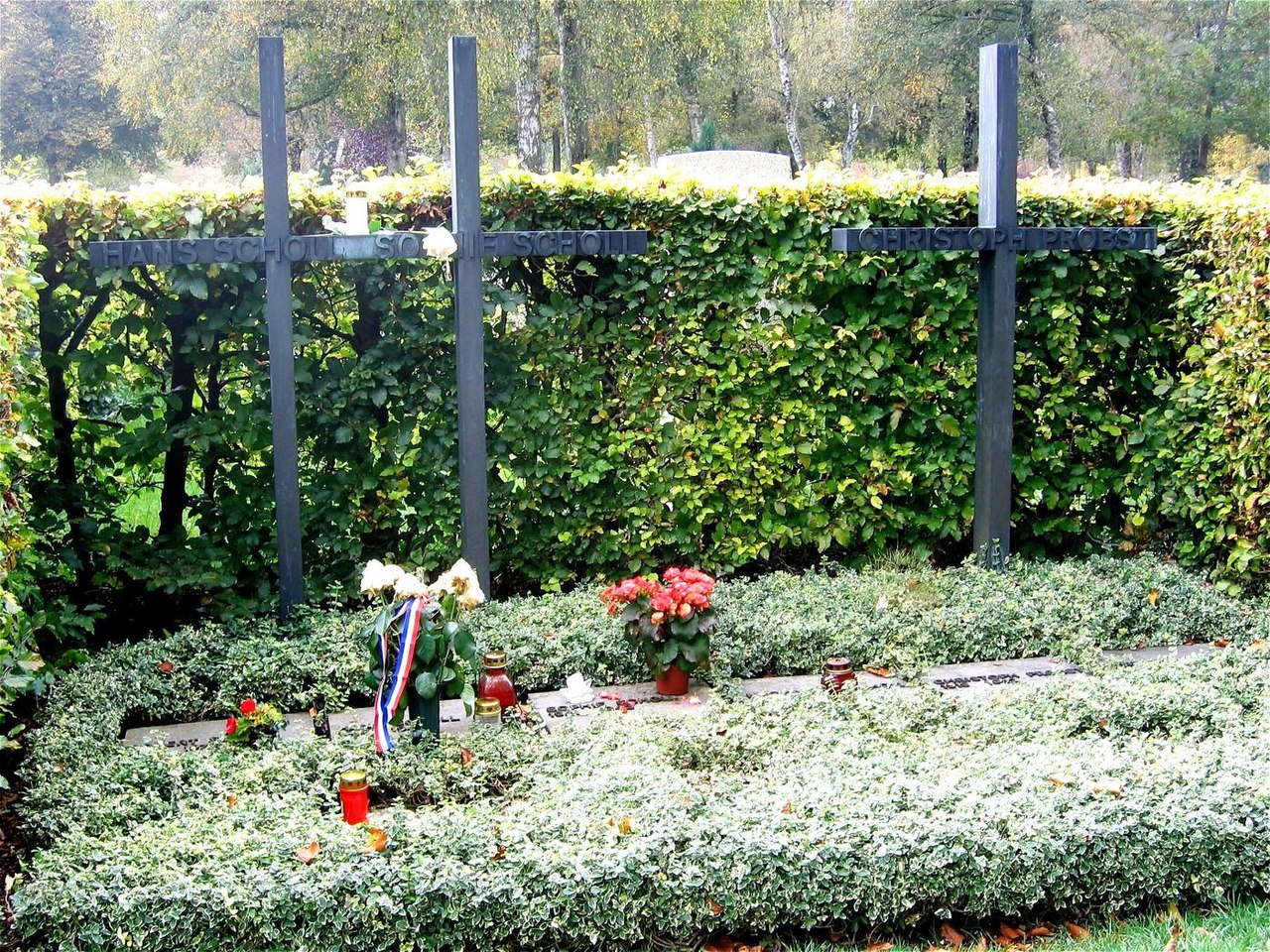

Background and activities
Raised in a middle‑class family in Germany, Scholl studied at the University of Munich. She, her brother Hans Scholl, and several friends—among them Alexander Schmorell, Willi Graf, Christoph Probst and Kurt Huber—formed the core of the group that became known as the White Rose. The group produced a series of leaflets that criticized Nazi ideology, exposed atrocities, and urged Germans to resist morally and politically. The leaflets were distributed across university campuses, mailed to individuals, and left in public places to reach students, clergy and civil servants.
Arrest, trial and execution
In February 1943 Sophie and Hans Scholl were caught distributing leaflets at the University of Munich. Arrested by the Gestapo, they were rapidly interrogated and brought before the People's Court. On 22 February 1943 they were sentenced to death. Sophie Scholl was executed by guillotine the same day at the prison in Munich. Contemporary accounts from her cellmate, Else Gebel, record Sophie expressing that individual sacrifice might awaken many others to righteous action; these final words have been widely cited in retellings of her life.
Legacy and remembrance
Sophie Scholl is commemorated across Germany and internationally as a symbol of moral courage. Schools, streets and memorials bear her name, and her story has been the subject of books, plays and films that examine dissent within Nazi Germany. Her resistance is often highlighted as an example of conscientious opposition carried out by ordinary citizens rather than by armed insurgency.
Notable aspects and distinctions
- Youth and conviction: Scholl was a university student whose activism sprang from ethical and intellectual opposition to the regime.
- Non‑violent methods: The White Rose relied on printed pamphlets and appeals to conscience rather than sabotage or violence.
- Rapid repression: The group's activities, once discovered, were met with swift legal action and capital punishment.
- Enduring influence: Her example is taught in schools and often cited in discussions of civic responsibility, civil disobedience, and the duties of individuals under oppressive governments.
Further reading
For introductions to her life and the White Rose movement, many readers consult biographies and documentary accounts that place the group within the broader context of German resistance. Biographical entries and cultural portrayals also emphasize the ethical questions Scholl raised about obedience, conscience and responsibility in times of injustice. For information on Hans and other members associated with her activities, see materials linked to Hans Scholl.
Related articles
Author
AlegsaOnline.com Sophie Scholl: German student and member of the White Rose resistance Leandro Alegsa
URL: https://en.alegsaonline.com/art/91942
Sources
- historylearningsite.co.uk : "Sophie Scholl"
- biographyonline.net : "Sophie Scholl Biography -"
- jewishvirtuallibrary.org : "The White Rose - A Lesson in Dissent"
- raoulwallenberg.net : "Sophie Scholl and the White Rose"