
Social psychology: how people think, influence, and relate in groups
Social psychology examines how individuals' thoughts, feelings, and behaviors are shaped by real or imagined social contexts, covering cognition, influence, groups, methods, history, and practical applications.
Overview
Social psychology is the scientific study of how people's thoughts, feelings, and behaviors are influenced by the actual, imagined, or implied presence of others. It sits at the intersection of broader psychology and social sciences, drawing on both individual-focused and group-focused perspectives. Many researchers in the field identify as psychologists or sociologists, and they commonly treat the individual and the group as complementary units of inquiry. In formal terms, social psychologists often consider both levels when defining their unit of analysis.
Image gallery
6 Images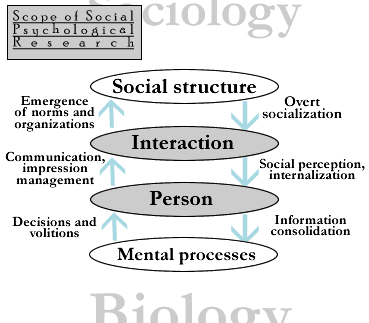




Core topics and concepts
Key areas studied by social psychologists include:
- Social cognition: how people perceive, remember, and interpret information about themselves and others, including schemas and attribution processes.
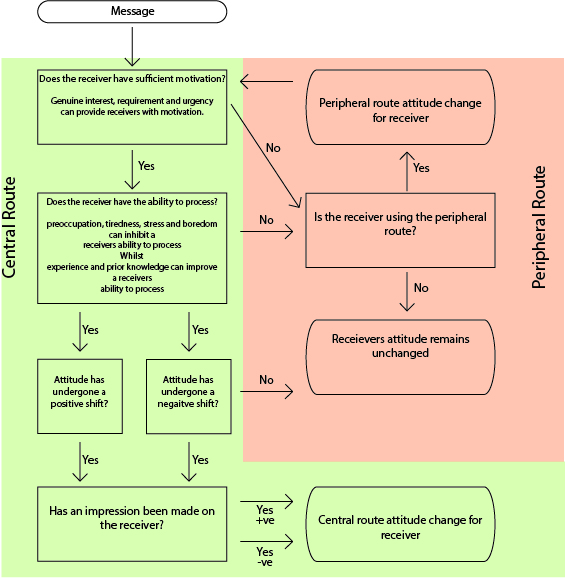
- Attitudes and persuasion: origins and change of beliefs and preferences, and how messages influence opinion and behavior.
- Social influence: conformity, compliance, obedience, and the mechanisms that lead individuals to change their actions under social pressure.
- Group processes: group formation, roles, norms, decision-making, leadership, and phenomena like group polarization and cohesion.
- Interpersonal relations: attraction, friendship, love, conflict, and aggression, as well as prosocial behaviors such as helping and cooperation.
- Prejudice and stereotyping: origins, maintenance, and reduction of intergroup bias.
Research methods
Social psychologists use a mix of approaches to test hypotheses. Common methods include controlled laboratory experiments that manipulate variables to infer causality; correlational studies that examine relationships in natural settings; longitudinal designs that track change over time; and observational or field methods that record behavior in real-world contexts. Qualitative techniques and surveys are also widely used to capture subjective experiences. These diverse tools underpin findings reported in specialized scholarly outlets and professional communities such as those represented by academic journals and professional groups.
History and development
The field emerged in the late nineteenth and early twentieth centuries from philosophical questions about social behavior and from early empirical work. Pioneering studies explored how presence of others affects performance and how social conditions shape attitudes. During the mid-twentieth century, especially after major global conflicts, there was notable interaction between psychologists and sociologists as researchers sought to understand group behavior, persuasion, and obedience. Over subsequent decades, the discipline has diversified into subfields and specialized methods, while retaining core questions about person–situation interaction.
Applications and practical importance
Social psychology informs many applied areas: public health campaigns rely on persuasion research; organizations draw on knowledge of leadership and group dynamics; legal systems consult social-psychological insights on eyewitness memory and jury behavior; and marketing uses principles of social influence. Its findings also guide interventions aimed at reducing prejudice, promoting cooperation, and improving interpersonal relationships.
Distinctions and notable facts
Although often overlapping with sociology, social psychology typically emphasizes individual cognitive and affective processes within social contexts, while sociology more often studies social structures and institutions. Collaboration between the disciplines has waxed and waned, but cross-fertilization remains important for addressing complex social problems. The field continues to evolve through methodological innovation and interdisciplinary connections, sustaining its role in explaining how people think, influence, and relate.
Related articles
Author
AlegsaOnline.com Social psychology: how people think, influence, and relate in groups Leandro Alegsa
URL: https://en.alegsaonline.com/art/91441
Sources
- simple.wiktionary.org : social psychology
- books.google.com : Social psychology
- books.google.com : The Psychology of the Social