
Social structure
Patterns and institutions that organize relationships, roles, hierarchies and classes within societies, shaping behavior, opportunity and collective life.
Overview
Social structure refers to the recurrent patterns and organized relationships that shape social life. It describes how roles, institutions, norms and statuses are arranged so that individuals and groups interact in predictable ways. By providing a framework for behavior, social structure influences opportunities, power distribution and the formation of identities.
Image gallery
1 Image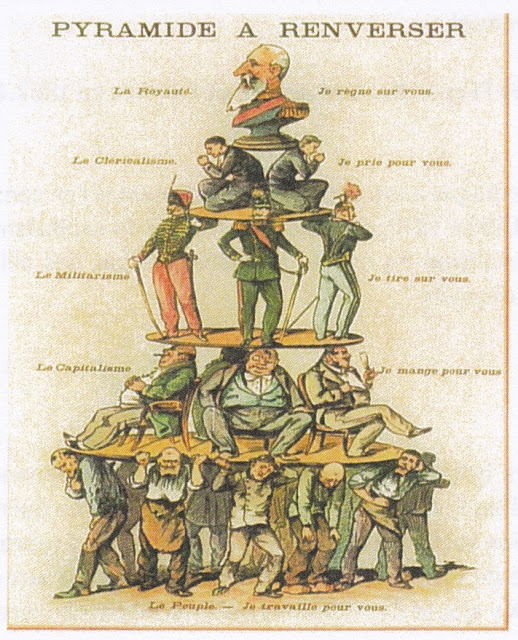
Key components
Elements commonly discussed as part of social structure include:
- Status and role: socially recognized positions (for example parent, worker, leader) and the expectations tied to them.
- Institutions: organized systems such as family, education, religion and economy that regulate behavior and reproduce norms.
- Stratification: enduring inequalities ranked by class, caste, wealth, or prestige that shape life chances.
- Networks and groups: patterns of relationships linking people, from small groups to broad communities.
Origins and development
The concept has roots in classical sociology and anthropology, where scholars sought to explain how societies maintain order and continuity. Over time, theory diversified: some approaches emphasize durable institutions and hierarchy, others focus on fluid networks and individual agency. Historical processes—such as industrialization, migration and legal change—restructure social patterns and produce new configurations of roles and inequality.
Functions and examples
Social structure performs several practical functions: it coordinates collective action, allocates resources, and transmits culture. Examples include occupational systems that link training to work roles, kinship systems that regulate marriage and inheritance, and class systems that affect access to education and health. A society's structure can be reproduced through formal rules and informal practices.
Distinctions and notable facts
Important distinctions distinguish social structure from individual behavior: structure constrains and enables actions but does not determine them entirely. Terms often associated with it include social framework, hierarchy and social class. Contemporary study examines how structures intersect with race, gender and global systems, and how policy or social movements can alter long-standing patterns.
See also: comparative studies of institutions, social mobility research, and analyses of networked societies are common areas where the concept is applied.
Related articles
Author
AlegsaOnline.com Social structure Leandro Alegsa
URL: https://en.alegsaonline.com/art/91449