
Soccer City (FNB Stadium), Johannesburg
Large multiuse stadium in Johannesburg, known as Soccer City or FNB Stadium; rebuilt for the 2010 FIFA World Cup and used for major sporting, cultural and civic events in South Africa.
Overview
Soccer City, commonly referred to by its corporate name FNB Stadium, is a major outdoor sports venue on the outskirts of Johannesburg in South Africa. Opened in the late 1980s, it became a national landmark after a comprehensive renovation in the late 2000s. The stadium is noted for its large capacity and its role as a stage for international football, large concerts and important civic ceremonies.
Image gallery
10 Images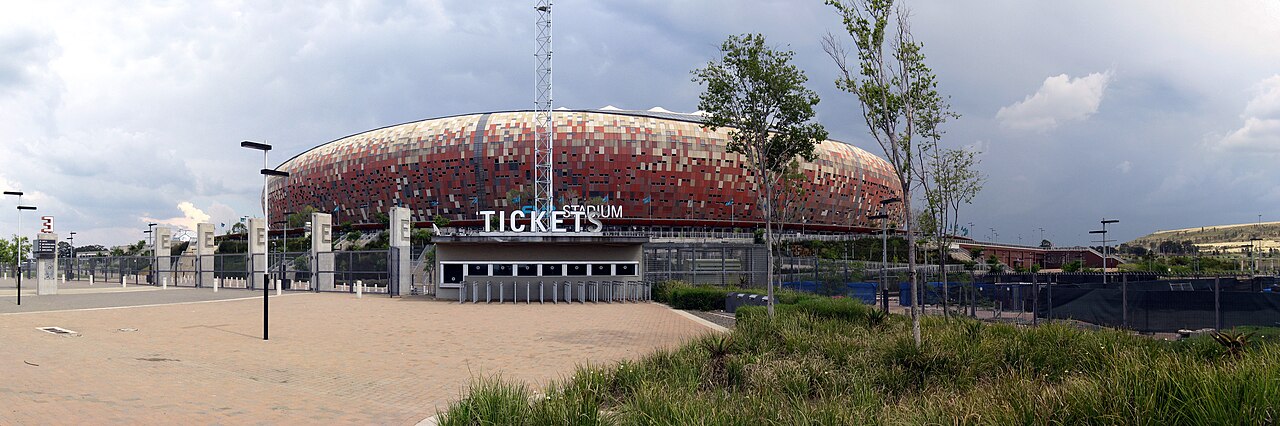





Design and characteristics
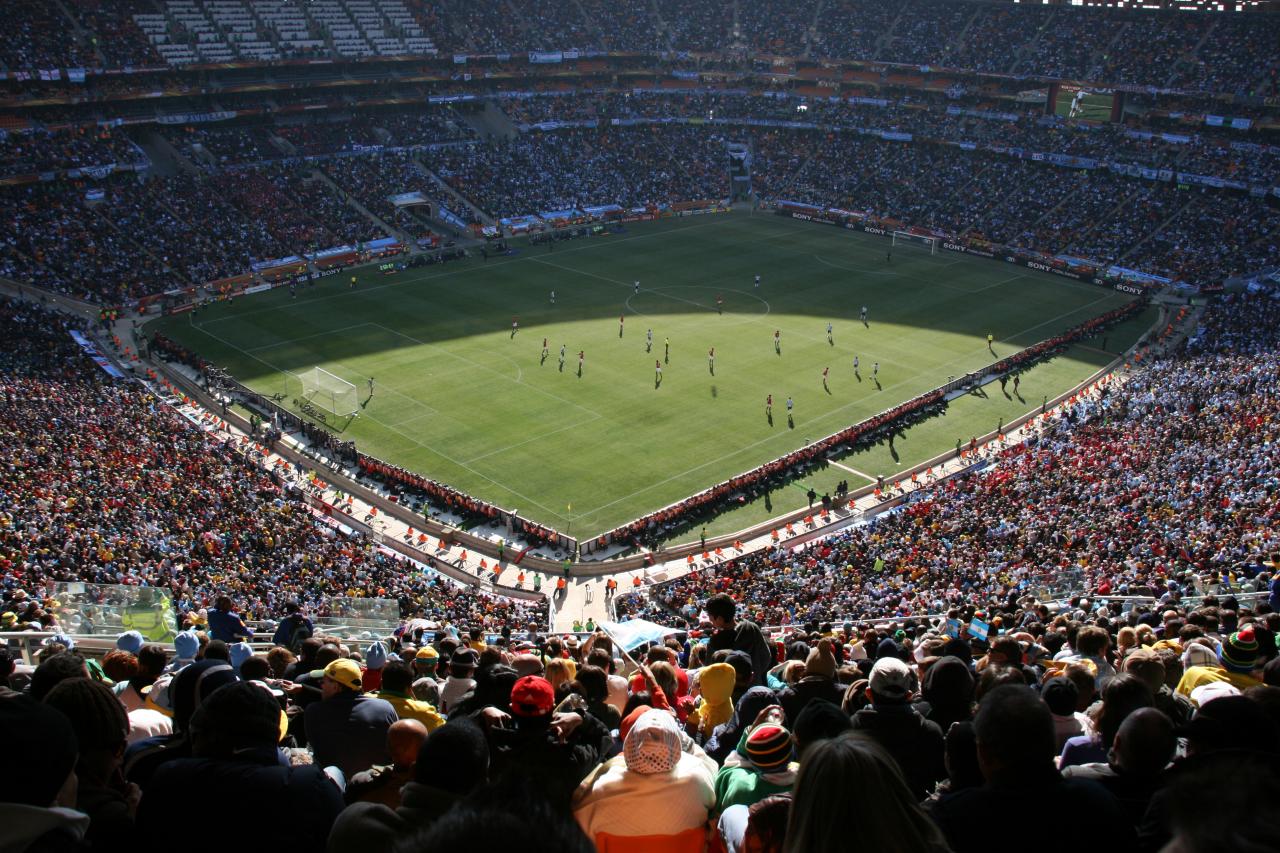
The stadium features a bowl-shaped seating arrangement with tiers that surround a natural grass playing surface. Its exterior was redesigned with a patterned facade intended to evoke a traditional African calabash or pot, and a partial roof covers much of the spectator seating. Key characteristics include:
- Multiple seating tiers and hospitality areas suitable for international sport and entertainment.
- A playing field meeting global football standards and broadcast facilities for major events.
- Infrastructure upgrades added during the 2000s renovation to improve spectator comfort, transport access and media operations.
History and major events
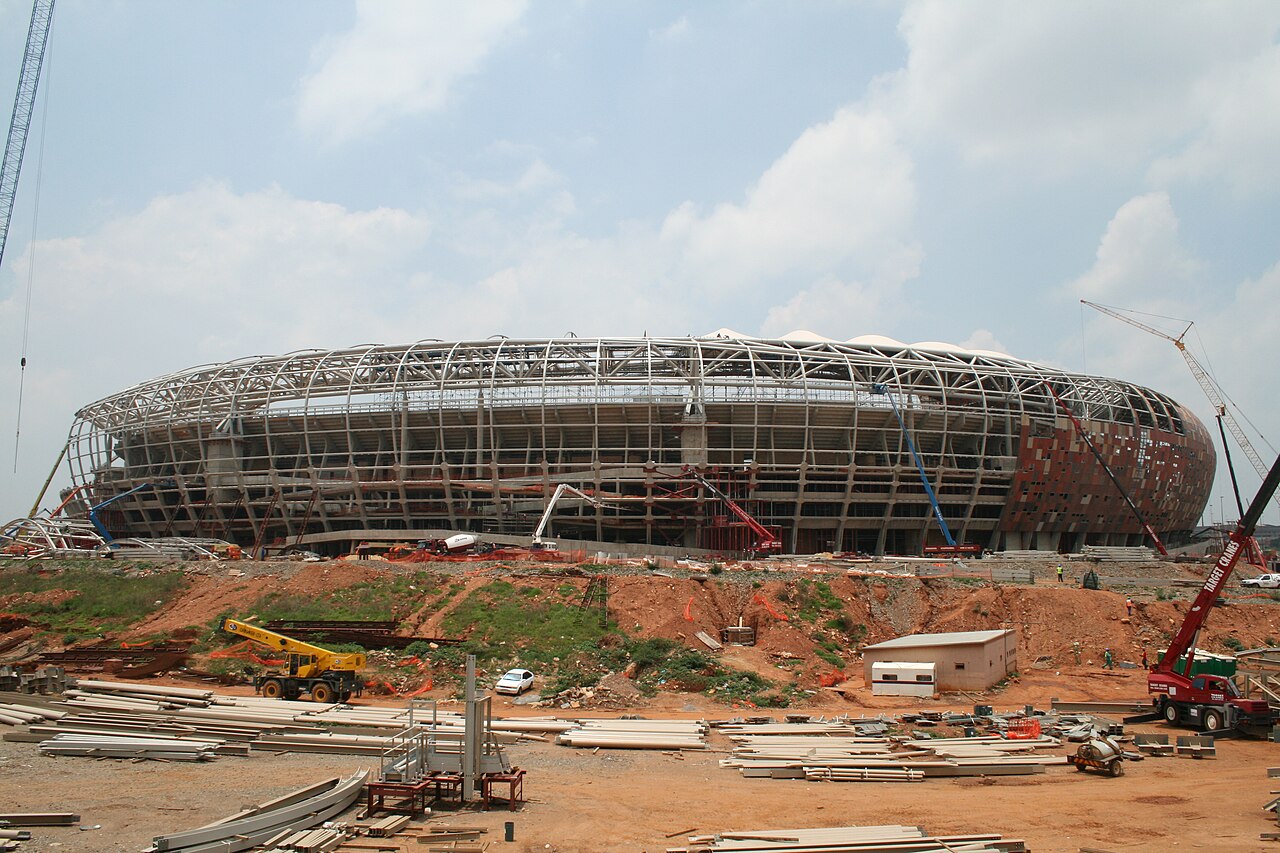
Originally completed in 1987 and known widely as FNB Stadium, it underwent one of its most significant makeovers ahead of the 2010 FIFA World Cup. The refurbished venue hosted the opening match and the tournament final, raising its global profile. It has also been used for high-profile national moments, including a state memorial gathering in the 2010s.
Uses and significance
Beyond association football matches, the stadium is a venue for rugby, large-scale concerts, and civic gatherings. Its size and location make it a focal point for events that attract national and international attention. For visitors and researchers seeking practical details about capacity, seating, ticketing or upcoming events, official sources and event promoters provide current information through venue pages and local tourism resources.
Notable distinctions
Soccer City is frequently cited as one of the largest stadiums on the African continent and remains symbolically important in South African sport and public life. For further reading, consult venue profiles and major sports archives for historical timelines and technical specifications.
Related articles
Author
AlegsaOnline.com Soccer City (FNB Stadium), Johannesburg Leandro Alegsa
URL: https://en.alegsaonline.com/art/91403