
Spiritism (Kardecian Doctrine)
Spiritism is a 19th‑century doctrine codified by Allan Kardec that studies spirit communication, moral progress, and reincarnation through an approach that combines empirical observation, ethics, and religious reflection.
Spiritism is a philosophical and spiritual doctrine codified in the 19th century that studies the nature of spirits and their interactions with the material world. Its central figure is Allan Kardec, the pen name of a French educator who organized reports of mediumistic communication into a coherent system. Spiritism aims to reconcile empirical observation with moral teaching, offering explanations for consciousness, ethical development, and life after death. For a general introduction see doctrine overview.
Image gallery
10 Images






Core ideas and characteristics
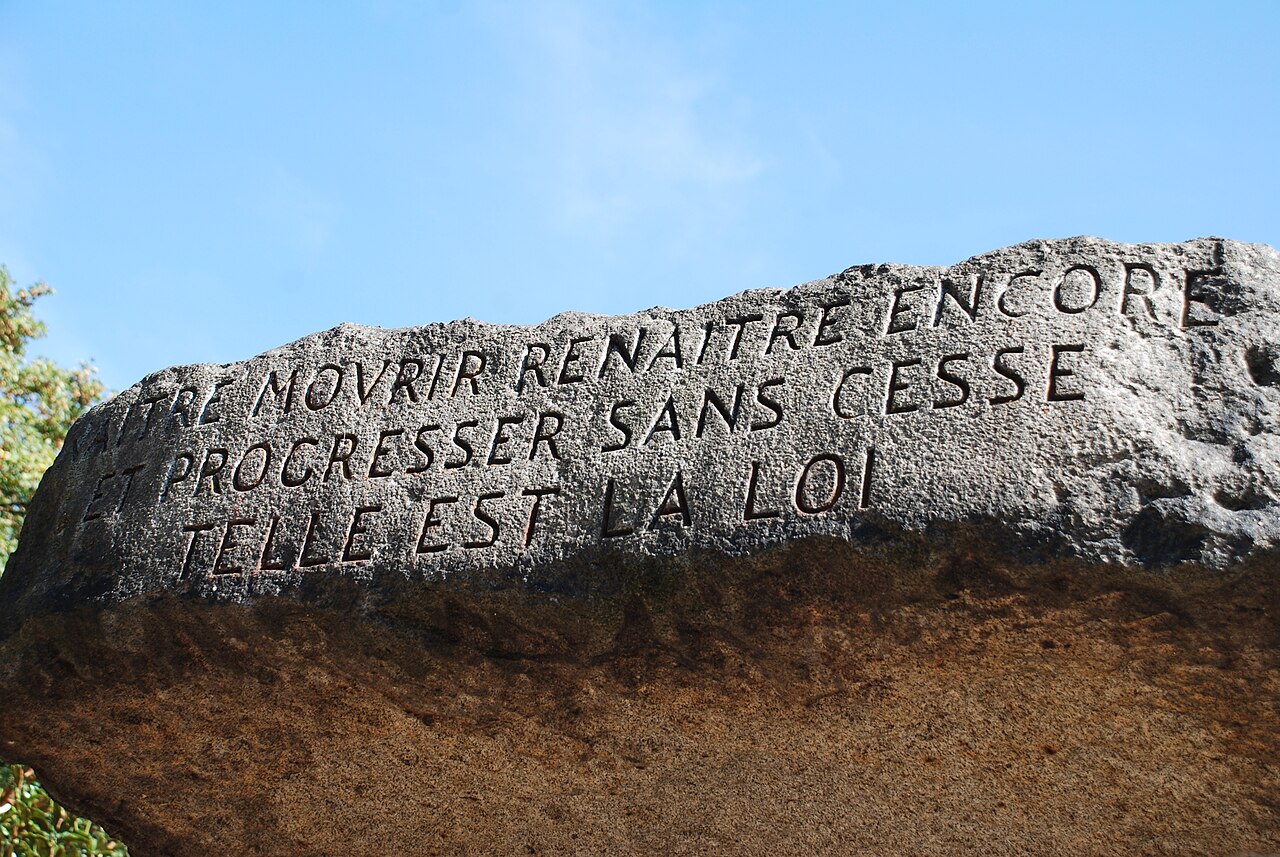
At its heart Spiritism teaches that human beings are immortal spirits temporarily embodied in physical form. Key elements include:
- Mediumship and communication: Certain individuals (mediums) can receive information from disincarnate intelligences and thereby reveal facts about the spiritual world.
- Progress and moral responsibility: Spirits evolve through multiple existences by learning, working, and improving morally, so ethical conduct and charity are emphasized.
- Empirical and critical attitude: Spiritism promotes dialogue among different forms of knowledge and encourages observation and testing rather than blind dogma. It explicitly seeks a balance between science, philosophy and religion.
- Distinction from related movements: While closely related to other forms of spirit communication, Spiritism presents a codified philosophical framework with moral prescriptions and a theory of reincarnation.
Major works and structure
Kardec organized Spiritist teaching in a series of books that combine questions, reported answers, and commentary. The best known titles include:
- The Spirits' Book — presents the basic dogma and answers to questions about God, the soul, the afterlife and moral law.
- The Mediums' Book — explains methods, types of mediumship and precautions for studying spiritual phenomena.
- The Gospel According to Spiritism — interprets Christian moral teachings from a Spiritist viewpoint.
These books were compiled from reports and observations gathered in séances and meetings; readers seeking primary sources can consult collections or translations listed by researchers and institutions working on the subject. For biographical context about the author see Kardec’s life and work.
History, practice and cultural reach
Spiritist activity grew in Europe and found its largest following in Brazil, where it became an organized movement with centers, charitable societies and publications. Practices include public sittings, private study groups, and therapeutic uses such as spiritual assistance and counseling. Mediums claim contact with spirits who may offer moral guidance, information about past lives, or evidence of survival after death. Investigators historically ranged from supportive researchers to skeptical scientists; notable figures who took interest in spirit phenomena include Sir William Crookes and Oliver Lodge, while commentators such as Arthur Conan Doyle discussed Spiritism in broader histories of spiritualist movements.
Distinctions, reception and critique
Spiritism differs from broader Spiritualism in its emphasis on reincarnation and a structured ethical system. Critics challenge many mediumistic claims and emphasize the need for rigorous scientific controls; adherents respond by stressing repeatable observations, moral improvement, and the movement’s humanitarian activities. Historical and sociological studies continue to explore how Spiritism influenced religious practice, social welfare, and popular culture, particularly in Portuguese‑speaking countries.
For further reading and organized archives, consult institutional pages and specialist bibliographies available from research centers and Spiritist organizations, which can be located through resources and directories such as comparative spiritualism and other scholarly listings. Additional primary or critical perspectives may be found at dedicated repositories and annotated collections referenced by scientific reviews and philosophical studies. See also community histories and modern commentaries at overview resources and national archives (religious studies, doctrine pages).
Questions and answers
Q: What are the two main books written by Allan Kardec?
A: The two main books written by Allan Kardec are The Spirits' Book and The Mediums' Book.
Q: What is the goal of Spiritism according to Allan Kardec?
A: According to Allan Kardec, the goal of Spiritism is to promote a dialog between science, philosophy, and religion in order to achieve a more complete comprehension of reality. It also seeks to separate fantasy from reality in order to avoid materialism and dogmatism.
Q: How does Spiritism differ from Spiritualism?
A: While Spiritism is similar to Spiritualism, it has been claimed that they are distinct. Arthur Conan Doyle wrote that while Spiritism is Spiritualist, not all Spiritualists are necessarily Spiritists.
Q: Who were some scientists whose works were accepted in both Spiritism and Spiritualism?
A: Some scientists whose works were accepted in both Spiritism and Spiritualism include Sir William Crookes and Oliver Lodge.
Q: What does Allan Kardec emphasize when discussing human power?
A: When discussing human power, Allan Kardec emphasizes responsibility for acting, creating, and changing the world around us.
Q: What did Arthur Conan Doyle write about regarding the relationship between spiritisim and spiritualisim?
A: Arthur Conan Doyle wrote that spiritisim is spiritualist (but not vice-versa).
Related articles
Author
AlegsaOnline.com Spiritism (Kardecian Doctrine) Leandro Alegsa
URL: https://en.alegsaonline.com/art/92716