
Utqiagvik, Alaska (formerly Barrow)
Utqiagvik, the northernmost city in the United States, is an Inupiat community on Alaska’s Arctic coast known for polar night/day cycles, subsistence culture, scientific research, and Arctic environment.
Overview
Utqiagvik (Inupiaq: Utqiaġvik), officially the City of Utqiaġvik and called Barrow until 2016, sits on Alaska's northern coast. The community is the northernmost city in the United States and serves as the administrative center of the North Slope Borough. Its Arctic position places it hundreds of miles north of the state's road system and about 1,300 miles from the North Pole. The town faces the Arctic Ocean and is linked culturally and economically to the broader region of Alaska.
Image gallery
5 Images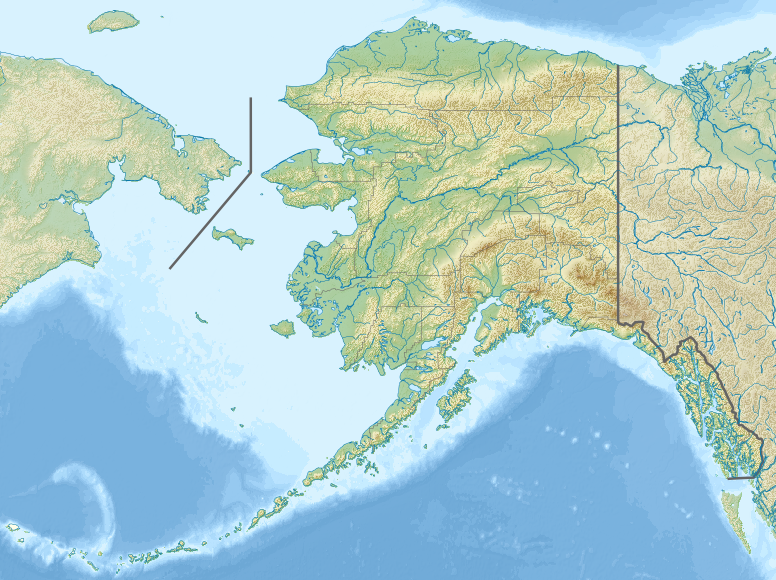



Geography and climate
Utqiagvik occupies a coastal tundra landscape underlain by continuous permafrost. Weather is Arctic: long, dark winters with extended polar night and short summers with the midnight sun. Sea ice, coastal winds and seasonal storms influence local life and infrastructure, and shoreline erosion is an ongoing challenge where frozen ground and ocean meet.
History and name
The settlement has been home to Iñupiat people for millennia. European and American contact in the 19th century brought new place names and institutions; the community was commonly known as Barrow for many decades. In 2016 the city officially restored the Inupiaq name Utqiagvik to recognize Indigenous language and heritage, while the older name still appears in historical references.
People, culture and everyday life
Most residents are Iñupiat and maintain subsistence practices such as whaling, fishing and gathering that remain central to food security and cultural identity. Community events, language preservation efforts and festivals rooted in coastal hunting traditions are important social anchors. The extreme daylight cycle, the northern lights and the Arctic landscape shape seasonal rhythms and local knowledge.
Economy, science and services
Utqiagvik's economy combines subsistence activities with wage employment in local government, support services, and sectors tied to Arctic resource development. The area is a focus for scientific study of permafrost, sea ice, climate change and Arctic ecosystems, attracting university researchers and federal programs. Travel to and from the town is primarily by air, and local airports and ports support supply chains that cannot rely on overland highways.
Notable facts and distinctions
- Extreme latitude: Utqiagvik is the northernmost incorporated city in the U.S., roughly midway between the Arctic Ocean coastline and the North Pole.
- Daylight extremes: Residents experience continuous daylight in summer and continuous darkness in winter, with important cultural and safety implications.
- Cultural resilience: The city is a center for Iñupiat language and traditions, blending modern services with subsistence lifeways.
- Global geography: Its antipode lies in Antarctica, highlighting Utqiagvik's position near Earth’s topmost inhabited latitudes (Antipode).
For visitors and students of the Arctic, Utqiagvik offers a concentrated view of northern environments, Indigenous culture, and the social and scientific issues tied to a warming polar region.
Related articles
Author
AlegsaOnline.com Utqiagvik, Alaska (formerly Barrow) Leandro Alegsa
URL: https://en.alegsaonline.com/art/9111
Sources
- geonames.usgs.gov : Geographic Names Information System (GNIS) details for Barrow, Alaska; United States Geological Survey (USGS); January 1, 2000.
- www2.census.gov : "2016 U.S. Gazetteer Files"
- tools.usps.com : "USPS - Look Up a ZIP Code"
- utqiagvik.us : "City of Utqiaġvik website"
- geonames.usgs.gov : "Feature Detail Report for: Utqiaġvik"
- adn.com : "Barrow's new name is its old one, Utqiaġvik. Local Iñupiaq leaders hope its use heals as it teaches"
- nws.noaa.gov : "NOAA Weather Data, 1981-2010"
- climate.gi.alaska.edu : "Summary about Barrow NWS Station"