
Sint Philipsland (former island in Zeeland, Netherlands)
Sint Philipsland is a small former island in the province of Zeeland, Netherlands. It covers about 23 km², had roughly 2,700 inhabitants in 2008, and is part of the municipality of Tholen.
Overview
Sint Philipsland is a low-lying landform in the province of Zeeland, in the Netherlands. Historically an island, it is administered as part of the municipality of Tholen. The area is relatively small (about 23 km²) and had an estimated population of around 2,700 people in 2008. The local settlement pattern consists of one principal village and several hamlets surrounded by polder landscape.
Image gallery
1 Image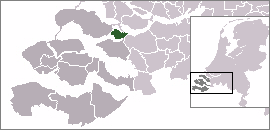
Geography and landscape
Sint Philipsland sits within the tidal and reclaimed-land environment typical of Zeeland. Its soils and fields are shaped by dikes, drainage channels and polders that manage sea and river influences. The landscape is characterized by flat agricultural land, reed beds and small patches of wetland that support local birdlife. Coastal defences and water-management works are prominent features of the terrain.
History and land management
The place-name reflects a long history of land reclamation and flood control: communities in Zeeland have repeatedly built and reinforced dikes over centuries. Sint Philipsland ceased to be a wholly separated island as connections to neighbouring land were established by causeways and reclamation. More recent regional flood-protection projects also altered the coastline and the way the former island interacts with surrounding waters.
Economy and community life
Economic activity on Sint Philipsland is largely rural and local in scale. Agriculture and horticulture are important land uses; small-scale fishing and aquaculture have been practiced where conditions permit. The local community maintains village amenities, and the quiet countryside attracts visitors for birdwatching, cycling and short recreational stays. Cultural life centers on village institutions and regional ties with the rest of Tholen.
Notable features and visitor notes
- Typical Zeeland polder scenery and infrastructure related to water management.
- Good opportunities for nature observation and low-intensity tourism.
- Easy administrative access through the municipality of Tholen and regional transport links within Zeeland.
Sint Philipsland illustrates how engineering, geography and rural life are intertwined in Zeeland: a modest territory whose character has been shaped by ongoing efforts to live with and control water.
Related articles
Author
AlegsaOnline.com Sint Philipsland (former island in Zeeland, Netherlands) Leandro Alegsa
URL: https://en.alegsaonline.com/art/90704