
Baroness Sophie Buxhoeveden: Courtier and Memoirist of Imperial Russia
Lady-in-waiting to Tsarina Alexandra, eyewitness memoirist of the Romanov court and critic of Anna Anderson; a primary source on the fall of the Russian monarchy.
Overview
Baroness Sophie (Sophia Karlovna) Buxhoeveden (6 September 1883 – 26 November 1956) was a Baltic German noblewoman who served as a lady-in-waiting to Empress Alexandra Feodorovna of Russia. She witnessed the private life of the imperial household in the years before the 1917 revolutions and later published several memoirs describing the family, court routines, and the chaotic period of the dynasty's collapse. Her accounts are widely cited by historians as eyewitness testimony, though they reflect her personal loyalties and perspective.
Image gallery
1 Image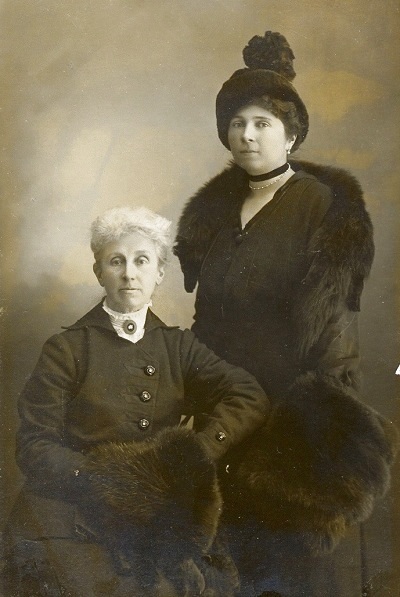
Court role and perspective
As a lady-in-waiting, Buxhoeveden acted as companion, attendant and informal confidante to the Empress. Her position placed her inside the intimate circle that shaped the daily existence of the Romanov family: their domestic habits, religious observances, and private responses to political events. Her writing often emphasizes the family's provincial, pious character and the gulf between court life and public perceptions of the monarchy.
Memoirs and written work
Buxhoeveden produced three memoirs recounting her time at court and her experiences after the revolution. One of her best-known books, Before the Storm, offers a portrait of Russia’s late imperial society through anecdotes and recollections drawn from household life. The memoirs combine personal observation with reflection; they provide detailed descriptions of people, rooms and routines that are valuable to researchers but must be read with awareness of the author's sympathies.
Encounters with claimants and later controversies
After leaving Russia, Buxhoeveden encountered and commented on later events connected to the Romanovs. Notably, when presented with the claimant Anna Anderson — who first identified herself as Grand Duchess Tatiana and later as Grand Duchess Anastasia — Buxhoeveden rejected the claim. She observed that Anderson was physically unlike the Romanov daughters and noted details such as stature; Buxhoeveden said Anderson was "too short" to be Tatiana and that she "does not physically resemble her in the least" when offered as Anastasia. Such judgments from former intimates played a part in public debate over impostors who claimed royal identity.
Escape, exile and legacy
Following the revolution, Buxhoeveden fled Russia and spent the remainder of her life in exile. Her memoirs and interviews became part of the broader body of émigré literature that helped shape 20th-century understandings of the Romanovs and the end of imperial Russia. Researchers continue to use her accounts alongside other documentary evidence to build a fuller picture of court life, the influence of figures such as Rasputin, and the conditions that preceded the dynasty's fall.
Historical value and cautions
- Primary source: Buxhoeveden’s writing is valuable for its immediacy and detail about everyday court life.
- Subjectivity: As a loyal courtier, her recollections reflect personal loyalties and selective emphasis.
- Cross-checking: Historians compare her accounts with other memoirs, official records and material evidence to assess accuracy.
Readers seeking more context on the Empress and the imperial household may consult works about Tsarina Alexandra and broader histories of late imperial Russia. Buxhoeveden’s reminiscences remain a distinct voice among first-person narratives of a vanishing world, valuable for detail and perspective while requiring critical reading.
Related articles
Author
AlegsaOnline.com Baroness Sophie Buxhoeveden: Courtier and Memoirist of Imperial Russia Leandro Alegsa
URL: https://en.alegsaonline.com/art/9067
Sources
- alexanderpalace.org : ""Baroness Sophie Buxhoeveden""
- angelfire.com : angelfire.com