
Shōhō era (1644–1648) — Japanese nengō of the early Edo period
Shōhō (1644–1648) was a short Japanese era in the early Edo period under Emperor Go-Kōmyō and the Tokugawa shogunate. Overview, context, and its place among nengō.
Overview
Shōhō (正保) is the Japanese era name (nengō) that followed Kan'ei and preceded Keian. The era began in December 1644 and ended in February 1648. It falls within the early Edo period, a time when political authority at the national level was exercised by the Tokugawa shogunate while the imperial court in Kyoto continued symbolic and ceremonial functions. The reigning emperor during Shōhō was Go-Kōmyō (後光明天皇).
Image gallery
3 Images

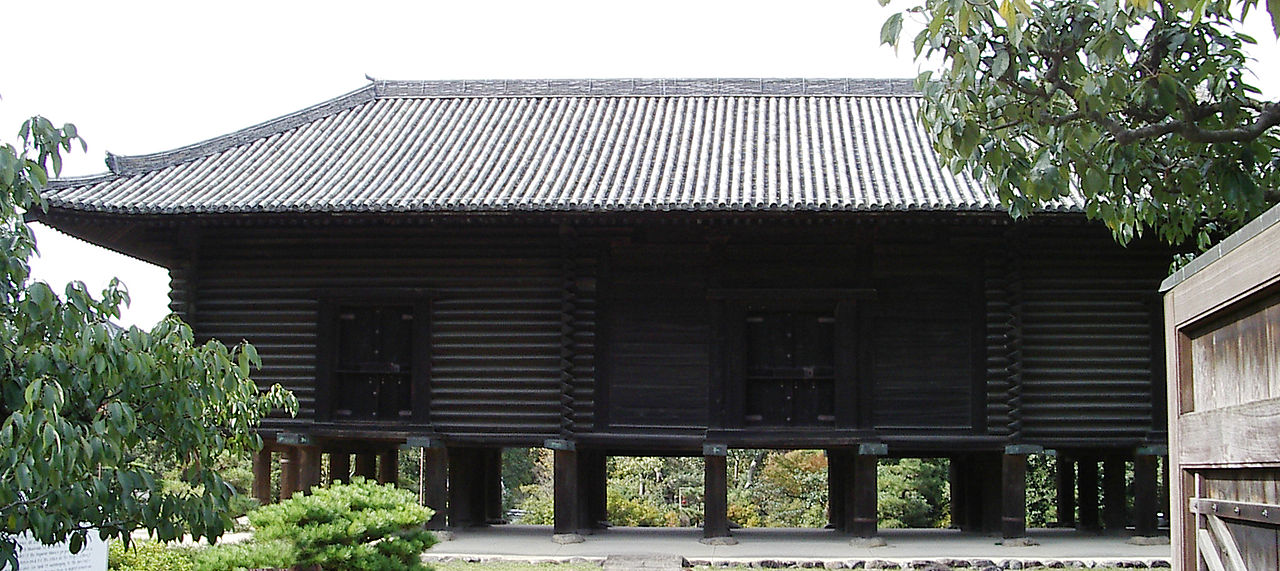
Context and characteristics
The choice of an era name in premodern Japan was usually prompted by events thought to warrant renewal or commemoration, such as natural phenomena, auspicious omens, or political decisions. Shōhō therefore marks a short chronological window used in official documents, temple records, and historical chronologies. Although brief, the era is part of the continuous system of nengō that structures Japanese historical timekeeping; see more on the system at era name (nengō).
Political and social setting
Shōhō took place during the rule of Shōgun Tokugawa Iemitsu, whose administration continued policies of centralized control and regulated relations with foreign powers. The early Edo period is often characterized by social order under the bakufu, constrained foreign contact, and the consolidation of domains (han). Daily governance, taxation, and samurai administration continued to shape life across the archipelago.
Cultural and administrative notes
- Arts and literature: the decades around Shōhō saw continued development of urban culture in Edo, Osaka, and Kyoto, including popular theatre, poetry, and visual arts.
- Record keeping: official records from the era use Shōhō year numbering when dating events and edicts, so researchers convert Shōhō dates to Gregorian years when studying the period.
- Length: the Shōhō era was relatively short—roughly three years—making it one of numerous brief nengō in the Edo chronology.
Significance and distinctions
Shōhō is primarily significant as a chronological marker within the broader stability of Tokugawa Japan. It illustrates how era names functioned as administrative and cultural tools: anchoring official timekeeping, reflecting imperial and court practice, and providing historians with a convenient period label between the longer Kan'ei era and the succeeding Keian era. For readers tracing events or genealogies, recognizing the Shōhō interval helps place local and national developments into the wider Edo timeline.
For detailed primary-source references and date conversions, consult specialized historical guides and archival catalogs that index documents by nengō and regnal years.
Related articles
Author
AlegsaOnline.com Shōhō era (1644–1648) — Japanese nengō of the early Edo period Leandro Alegsa
URL: https://en.alegsaonline.com/art/89948
Sources
- books.google.com : "Shōhō"
- books.google.com : "Go-Kōmyō Tennō,"
- books.google.com : Annales des empereurs du japon, p. 412.
- digital.archives.go.jp : Shoho Shiroezu ("maps of castle towns)