
Shōji (Japanese era)
Shōji (正治) was a Japanese era name from April 1199 to February 1201, under Emperor Tsuchimikado. It followed Kenkyū and preceded Kennin and belongs to the early Kamakura-period sequence of nengō.
Overview
Shōji (正治) is the Japanese era name (nengō) that succeeded Kenkyū and preceded Kennin. This era began in April 1199 and concluded in February 1201. The reigning sovereign at court during Shōji was Emperor Tsuchimikado. Era names like Shōji are used in Japanese chronology to label years and to organize court records and official documents.
Image gallery
2 Images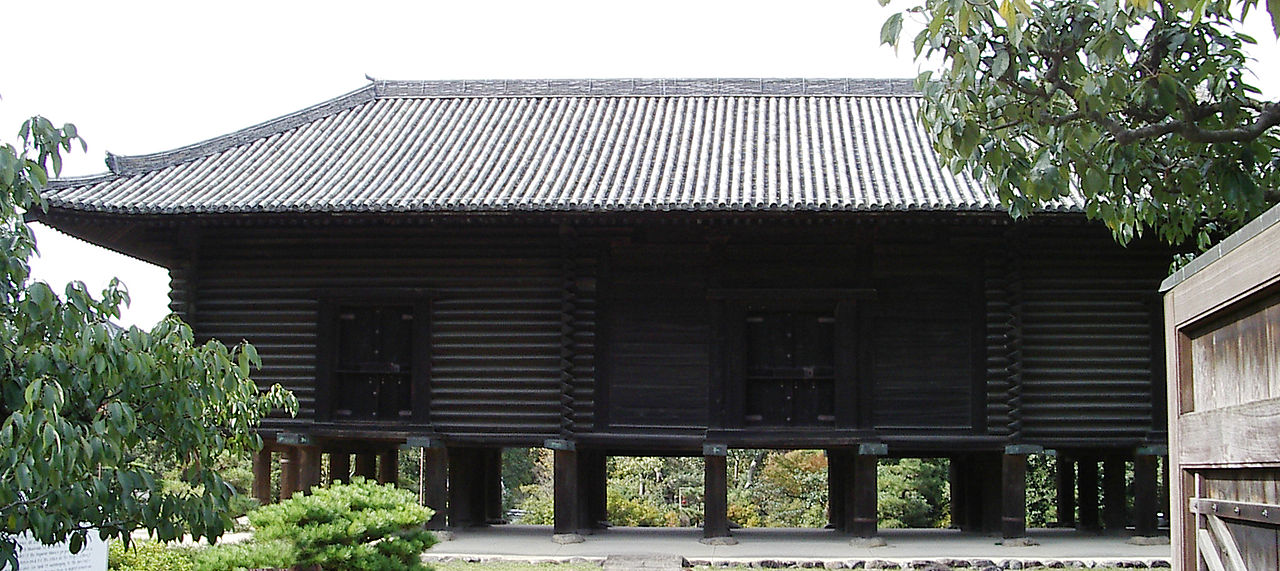

Name and meaning
The characters for Shōji, 正治, are usually rendered with senses of "correct" or "proper" (正) and "governance" or "rule" (治). Such combinations were selected to express an ideal or aspiration for the period. The decision to change an era name could be prompted by auspicious events, natural disasters, political developments, or a desire to mark a new beginning.
Historical context
Shōji falls within the early Kamakura period, a time when political authority in Japan was increasingly shared between the imperial court in Kyoto and military rulers based in the east. While the era itself is brief—less than two years—it sits amid broader institutional shifts as the samurai-led government consolidated influence over national affairs.
Chronology and use
Contemporaries used the nengō system to date official proclamations, temple records, diaries, and contracts. Modern historians rely on era names such as Shōji to synchronize Japanese events with international chronologies and with regnal years of emperors. The framework links directly to earlier and later era names, and is part of a continuous sequence of calendrical practice in Japan.
Notable facts
- Start: April 1199; end: February 1201.
- Emperor: Tsuchimikado-tennō.
- Preceded by: Kenkyū; followed by: Kennin.
- The term nengō denotes this system of era naming used throughout classical and medieval Japan.
Although short, the Shōji era is a useful chronological marker for scholars tracing the gradual rebalancing of court and military powers in late twelfth-century Japan.
Related articles
Author
AlegsaOnline.com Shōji (Japanese era) Leandro Alegsa
URL: https://en.alegsaonline.com/art/89950
Sources
- books.google.com : "Shōji"
- books.google.com : Annales des empereurs du japon, p. 221-224
- books.google.com : Gukanshō, p. 340
- books.google.com : p. 224