
Shmuel Yosef Agnon
Israeli Hebrew-language novelist and short-story writer, central to modern Hebrew literature; Nobel Prize laureate whose work fuses Jewish tradition with modern narrative techniques.
Overview
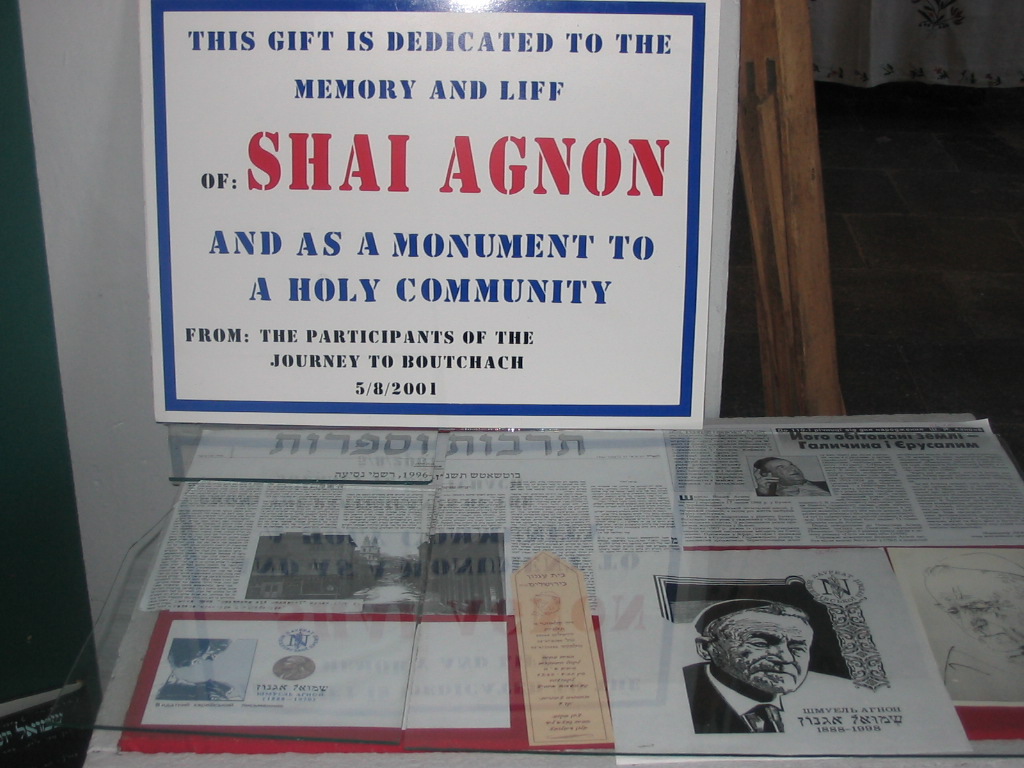
Shmuel Yosef Agnon (1888–1970) was a leading Hebrew-language author whose fiction and short prose helped define modern Hebrew literature. Born in Eastern Europe and later based in Jerusalem, he combined traditional Jewish texts and folk motifs with contemporary narrative forms. Agnon is widely cited as a formative figure in the revival of Hebrew as a literary language and is frequently referred to in Hebrew by the acronym Shai Agnon. English editions of his work often appear under the name S. Y. Agnon.
Image gallery
10 Images




Life and career
Agnon began writing in Hebrew at a moment when that language was being reshaped for modern life. He lived in several cultural contexts—Galician Jewish communities, the wider European Jewish literary world, and the Yishuv and later the State of Israel—which informed his themes and settings. Over decades he published novels, collections of short stories and novellas, and occasional non-fiction, gaining recognition for the distinct fusion of old and new in his prose.
Themes and style
Agnon’s work is notable for its interweaving of biblical and rabbinic phrasing, folktale structures, and ironic modern sensibilities. Recurring preoccupations include exile and return, the tensions between tradition and modernity, language and identity, and the spiritual challenges of secular life. His technique often employs layered allusion, pious humor, and narrative voices that shift between the sacred and the everyday.
Major works and reception
- He produced a body of novels and short stories that became central texts in the Hebrew canon, including well-known pieces often translated into other languages.
- In 1966 he received the Nobel Prize in Literature (an honor he shared that year), a recognition that brought international attention to modern Hebrew writing and to Jewish narrative traditions.
- Readers and scholars continue to study his use of intertextuality, religious language, and narrative irony as models for the possibilities of modern Hebrew fiction.
Legacy and distinctions
Agnon remains a touchstone for writers and scholars interested in the relationship between language revival and national culture. His influence extends into literary studies, translation, and cultural memory; his life and work are often discussed in histories of modern Hebrew literature and Jewish cultural renewal. For further reading and bibliographic resources see introductory surveys of Hebrew literature and specialized studies of his oeuvre via general reference portals such as reference sites and academic overviews at literary collections and bibliographies (modern Hebrew studies, Hebrew-language resources).
Further notes
Because Agnon wrote at the intersection of oral and sacred traditions and modern secular concerns, his work rewards close reading and benefits from knowledge of Jewish textual tradition. Editions, translations, and critical studies remain available for readers approaching his fiction from diverse cultural and linguistic backgrounds.
Related articles
Author
AlegsaOnline.com Shmuel Yosef Agnon Leandro Alegsa
URL: https://en.alegsaonline.com/art/89920
Sources
- nobelprize.org : "Shmuel Yosef Agnon"
- amazon.com : "Amazon.com: S. Y. Agnon: Books"