
Sunderland: History, geography and modern identity
Overview of Sunderland in North East England: origins as three villages, development as a port and shipbuilding centre, 20th–21st century changes, cultural identity and notable places.
Overview
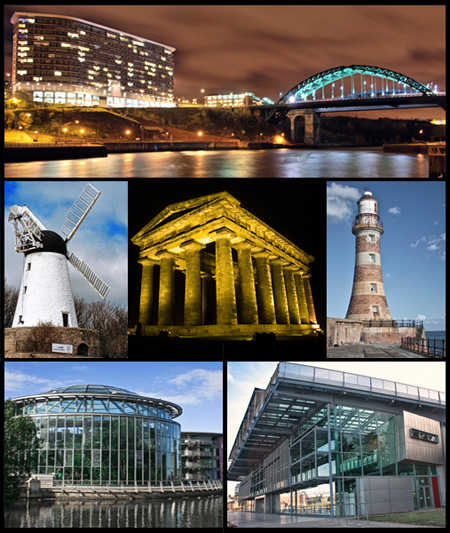
Sunderland is a coastal city in North East England, positioned at the mouth of the River Wear. Administratively it was long a county borough (county borough) and today forms part of the metropolitan area known as the City of Sunderland within the county of Tyne and Wear. Its location on the northeast coast shaped centuries of maritime trade, industry and urban growth.
Image gallery
10 Images




Origins and early history
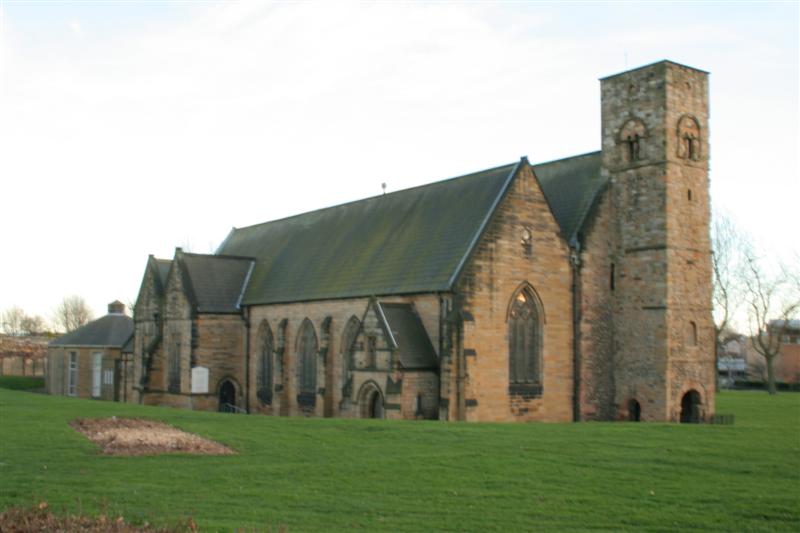
The modern city grew from three separate settlements. On the north bank of the Wear, Monkwearmouth originated around a monastery founded by Saint Benedict Biscop in the 7th century (monastery), which became an early focal point for learning and religion. Bishopwearmouth developed on the south bank in the early medieval period. At the river mouth a fishing and trading settlement known simply as Sunderland gained a charter in the 12th century, giving the townspeople privileges that encouraged trade and local self-government.
Industrial growth and shipbuilding
From the medieval period onward Sunderland's river and coast were used to export local commodities such as coal and salt. Shipbuilding began on the Wear in earnest by the late Middle Ages and expanded dramatically during the 18th and 19th centuries. By the 19th and early 20th centuries Sunderland was one of Britain’s leading shipbuilding centres, producing merchant and naval vessels in large numbers and supporting a dense local economy of related trades and docks.
20th century, decline and regeneration
Like many industrial towns, Sunderland experienced economic decline in the mid-20th century as shipbuilding and heavy industry contracted. Administrative changes culminated in the modern municipal arrangements and the area gained city status in 1992 (city status). Since then local and regional efforts have focused on economic diversification, redevelopment of waterfront areas and investment in education and services.
Culture, identity and institutions
Sunderland retains a distinct local identity; residents are sometimes called Mackems, a colloquial name linked to local dialect and industry. The city hosts cultural and educational institutions, including museums that interpret its maritime past, and the University of Sunderland which contributes to research, training and the local economy. Sporting life—most visibly Sunderland A.F.C.—plays a prominent role in community life.
Places of interest and contemporary economy
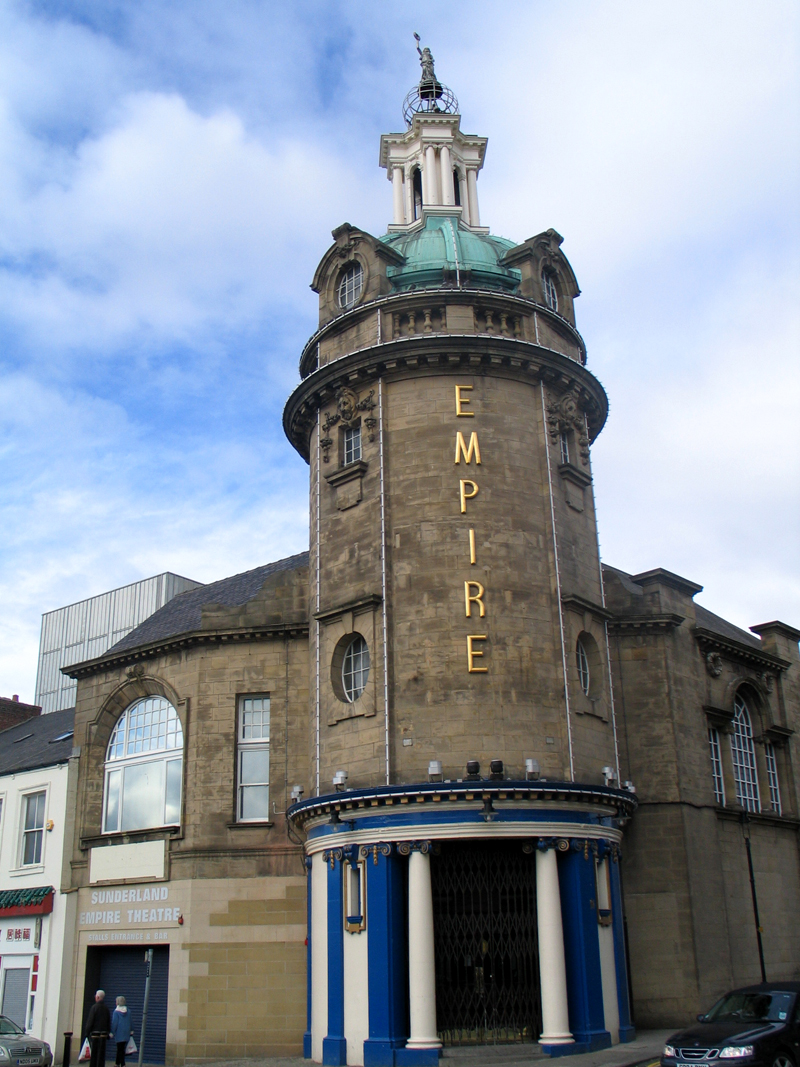
Visitors encounter beaches and promenades, preserved industrial sites, and newer cultural venues. Notable features range from historic shipyards and churches to galleries and waterfront redevelopment projects. The modern economy mixes manufacturing, services, higher education and maritime activity; regeneration efforts have aimed to reuse former industrial land and to create new commercial and cultural hubs.
Key facts and distinctions
- Sunderland began as three settlements: Monkwearmouth, Bishopwearmouth and the riverside Sunderland.
- Its maritime and industrial heritage is rooted in coal export, salt and extensive ship construction.
- Administrative status evolved from county borough to part of a metropolitan city within Tyne and Wear.
- Local identity includes the "Mackem" nickname and strong sporting traditions.
For further reading and official sources, consult local archives and municipal histories that cover archaeological finds, the growth of industry and ongoing regeneration projects. See also regional tourism and transport information for practical details on visiting Sunderland's coastal and urban attractions.
North East England | county borough | City of Sunderland | Tyne and Wear | River Wear | Saint Benedict Biscop | monastery | coal | salt | city status
Questions and answers
Q: What is Sunderland?
A: Sunderland is a city in North East England that was formerly a county borough and is now part of the City of Sunderland in Tyne and Wear.
Q: Where is Sunderland located?
A: Sunderland sits at the mouth of the River Wear in North East England.
Q: How did Sunderland start?
A: Sunderland started as three small villages - Monkwearmouth, Bishopwearmouth, and a small fishing village at the mouth of the river. It was given a charter in 1179 which granted its people certain rights not available to those outside the town.
Q: What did people do in Sunderland?
A: People in Sunderland mostly sold coal and salt from its port, but also began building ships along the river bank by 1300s.
Q: When did it become a borough?
A: In 1835, when the three old villages became one borough, they took on the name of "Sunderland".
Q: When did it become a city? A: In 1992, Sunderland became a city.
Q: Who are people born in Sunderland sometimes called? A: People born in Sunderand are sometimes called Mackems.
Tags
Related articles
Author
AlegsaOnline.com Sunderland: History, geography and modern identity Leandro Alegsa
URL: https://en.alegsaonline.com/art/94888
Sources
- commons.wikimedia.org : Sunderland
- sunderland.gov.uk : "Origins of Bishopwearmouth"
- sunderlandtoday.co.uk : "What's in a name?"
- www2.citysun.ac.uk : "Sunderland Minster"
- bbc.co.uk : BBC - Radio 4 The Long View - Cholera outbreak in 19th Century Britain.
- wearsideonline.com : "Sunderland Wearmouth Bridge"
- sine.ncl.ac.uk : "SINE Project: Structure details for Queen Alexandra Bridge"
- north-country.co.uk : "Sunderland's Victoria Hall Stampede"
- genuki.org.uk : "Victims of the Victoria Hall Calamity"
- sunderland.gov.uk : "The Victoria Hall Disaster 1883"
- bbc.co.uk : "The Victoria Hall Disaster of 1883"
- news.bbc.co.uk : "Toy Tragedy Children Honoured"
- news.bbc.co.uk : "Rare images recall wartime blitz"
- sunderland.gov.uk : "2001 Census - Fact Cards for wards in the City of Sunderland"
- sunderland.gov.uk : "About Sunderland"