
Sewol ferry disaster
The 2014 sinking of the passenger ferry Sewol off Jindo, South Korea, that killed hundreds and led to major investigations, trials, safety reforms and a high-profile salvage operation.
Overview
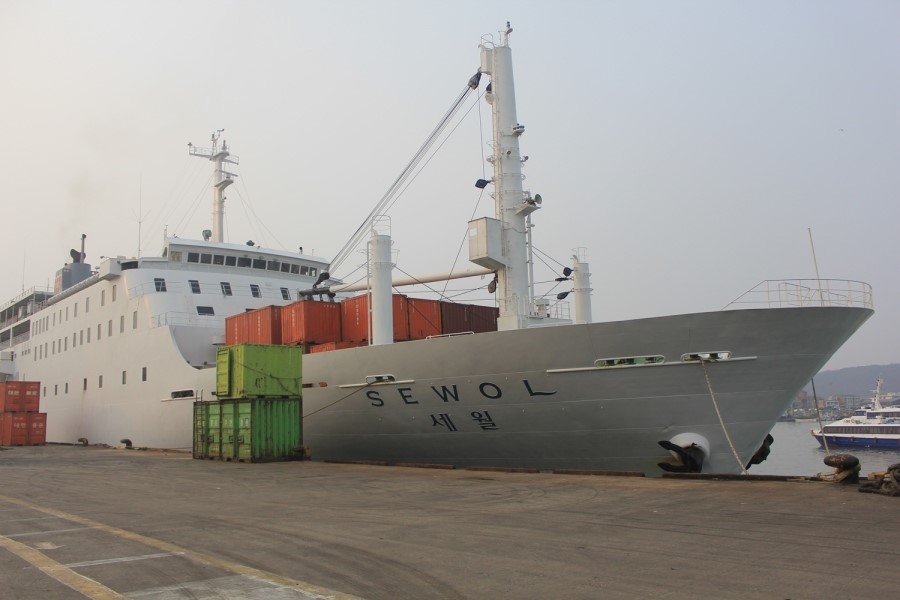
The Sewol was a South Korean passenger ferry that sank on 16 April 2014 while en route from Incheon to Jeju Island in South Korea. The accident occurred near Jindo off the southwest coast. Hundreds of people were aboard and the disaster resulted in a large number of deaths, prompting national mourning, intense public scrutiny and long-running investigations.
Image gallery
3 Images

Vessel and voyage
The Sewol was used on a regular ferry route between the Korean mainland and Jeju Island. On the day of the accident it was carrying passengers, including a large group of secondary-school students on a school trip. When the ship capsized and sank, many passengers were unable to evacuate in time.
Sequence of events and immediate response
The ship listed and then capsized after a sharp turn. Confusion on board, delayed and conflicting instructions to passengers, and difficulty in launching rescue operations hampered evacuation. Rescue services and naval vessels responded, but the scale of the incident, the ship's rapid deterioration and coordination problems contributed to the high casualty toll.
Investigations and causes
Official inquiries identified multiple contributing factors: improper modifications that affected stability, excessive and unsecured cargo, and operational errors. Investigations also criticized decisions by the ship's crew and found failures in emergency management. Several crew members, including the captain, were prosecuted for wrongdoing related to the sinking and abandonment of the vessel.
Aftermath and legacy
The disaster prompted a sustained public outcry over safety standards, regulatory oversight and government response. Reforms to maritime safety rules, emergency procedures and rescue coordination were introduced in the years that followed. The Sewol was later raised in a complex salvage operation and towed away, and the tragedy remains a significant event in contemporary South Korean public life.
Notable facts
- Most victims were passengers on a school trip, which intensified public grief and debate.
- The sinking led to criminal trials, policy changes and widespread demands for accountability.
- A large-scale salvage operation recovered the wreck several years after the sinking.
Related articles
Author
AlegsaOnline.com Sewol ferry disaster Leandro Alegsa
URL: https://en.alegsaonline.com/art/89254
Sources
- independent.co.uk : "South Korea ferry disaster: Civilian divers scouring the Sewol wreckage are being 'paid by the body', presidential office suggests"
- koreaherald.com : "Major disasters in Korea"
- in.reuters.com : "Over 280 missing after South Korean ferry capsizes"
- tools.wmflabs.org : 34°13′5″N 125°57′0″E / 34.21806°N 125.95000°E / 34.21806; 125.95000