
Sewer systems: purpose, types, operation and maintenance
Overview of sewer systems: their function, main components, historical development, types (combined/sanitary), maintenance, treatment stages and environmental considerations.
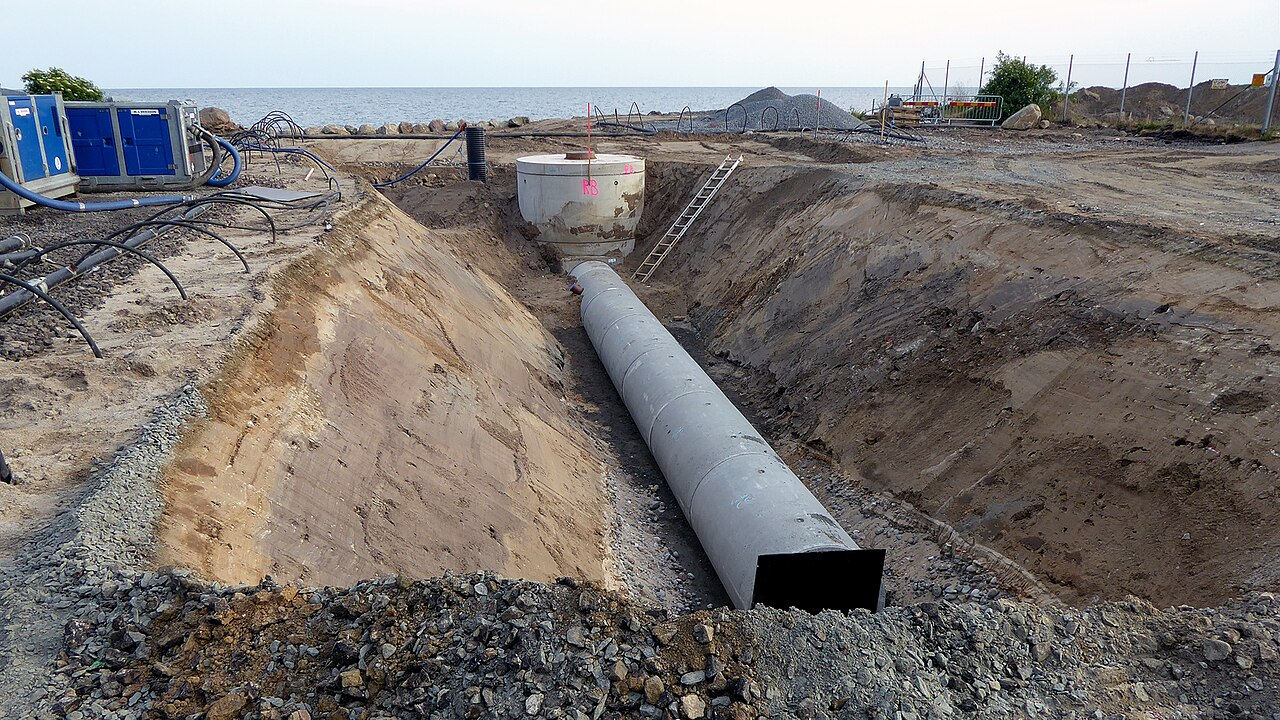
Sewer systems are engineered networks of underground conduits, manholes and pumping stations designed to collect and convey wastewater and some types of runoff away from buildings and public spaces. Their primary purpose is to protect public health and the environment by transporting human waste, household water from sinks and showers, industrial effluent and—in some systems—street runoff to facilities where solids and pollutants are removed or reduced. Basic tradeoffs in sewer design affect cost, operation and environmental impact.
Image gallery
7 Images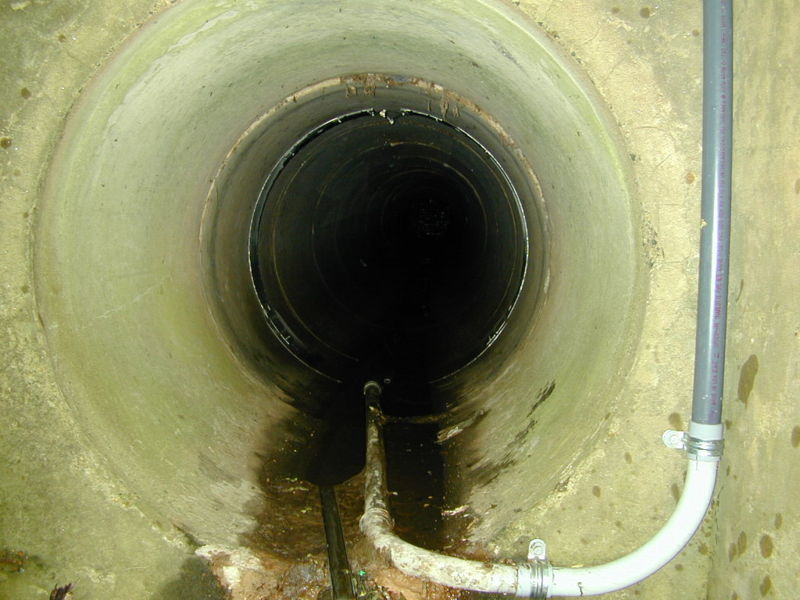





Key components and how they work
A typical sewer network includes pipes of varying diameter, manholes for access, pump (lift) stations where gravity flow is insufficient, and interceptors that lead to a treatment works. Sewers may be gravity-fed or pressurized. Flow is directed toward a wastewater treatment plant where physical, biological and sometimes chemical processes remove settleable solids, organic matter and nutrients in stages commonly called primary, secondary and tertiary treatment. For general information on wastewater routing and definitions see sewer network guides and sanitation overviews such as basic sanitation resources.
Types of sewer systems
Sewer systems fall into a few broad categories. Sanitary sewers carry only domestic and industrial wastewater. Storm sewers, or drains, convey runoff from rain and melting snow. Combined sewer systems collect both wastewater and stormwater in the same pipe; these were commonly built in older cities. Combined systems can cause combined sewer overflows during heavy rain, discharging untreated or partially treated water to waterways. Many modern projects favor separate systems and include green infrastructure—bioswales, permeable pavements and detention basins—to reduce runoff.
Maintenance, inspection and common problems
Keeping sewers functional requires regular inspection and cleaning. Common maintenance techniques include high-pressure jetting, mechanical rodding, CCTV inspection cameras to locate defects or blockages, and root cutting where vegetation intrudes. Grease and fat, wipes and non-biodegradable items, and infiltrating tree roots are frequent causes of blockages. Municipal crews and contractors use specialized trucks and equipment to remove obstructions and to inspect condition. For municipal policies and treatment plant roles see treatment facility resources and regulatory information on discharge standards at effluent regulations.
History, regulation and environmental importance
Sewers have ancient precedents in several early civilizations, but expanding urban populations in the 19th century drove modern mass construction to control disease and odors. Engineering advances—from larger-diameter pipes to pumped systems and biological treatment—reduced waterborne disease and improved urban sanitation. Today sewers are governed by health and environmental regulations that set limits on the quality of treated water returned to rivers, lakes or seas. Municipalities must plan for population growth, climate-change-driven increases in storm intensity and the need to prevent pollution.
Alternatives and innovations
In areas without centralized sewers, on-site systems such as septic tanks and small package plants treat wastewater locally. Innovations in sewer management include real-time flow monitoring, energy recovery from biogas produced in treatment, nutrient recovery, and use of nature-based solutions to limit stormwater entering sewers. Public education about what should never be flushed or poured down drains complements engineering solutions and reduces the burden on sewer systems and treatment plants; further introductory reading on wastewater topics is available through general wastewater and sanitation resources such as wastewater overviews.
- Common maintenance practices: jetting, CCTV inspection, root removal.
- Notable distinction: combined vs separate sewer systems affect overflow risk.
- Environmental focus: treatment standards and green infrastructure reduce impact.
Understanding sewer systems helps communities plan infrastructure, protect water quality and promote public health. For regulators, engineers and the general public alike, the design, upkeep and modernization of sewer networks remain central to sustainable urban development.
Related articles
Author
AlegsaOnline.com Sewer systems: purpose, types, operation and maintenance Leandro Alegsa
URL: https://en.alegsaonline.com/art/89250