
Setsubun — Japan's Bean-Throwing Ritual for Welcoming Spring
Setsubun is a Japanese seasonal observance held the day before the start of spring, featuring mamemaki (bean-throwing), chants to drive out demons, and regional variations including ehomaki and shrine ceremonies.
Setsubun (節分) is the traditional Japanese observance falling on the day before Risshun, the beginning of spring in the old calendar and now usually observed on February 3. The festival centers on rites intended to cleanse the home, expel bad influences, and invite good fortune for the coming year. For a general introduction to the festival and contemporary events, see More on Setsubun.
Image gallery
4 Images


Core rituals and symbols
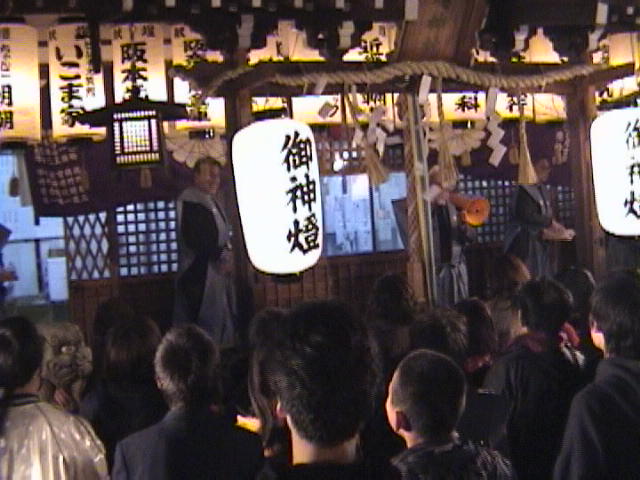
The most widely recognized practice is mamemaki, literally "bean scattering." Roasted soybeans called fukumame (lucky beans) are thrown either out the door or at a person wearing an oni (demon) mask while participants shout "Oni wa soto! Fuku wa uchi!" (Demons out! Luck in!). After the tossing, many families pick up and eat the same number of beans as their age to secure good health. Other common elements include the display of talismans, sweeping or symbolic cleansing of the household, and the use of paper or cloth decorations.
Typical activities
- Mamemaki: bean-throwing to drive away evil spirits
- Wearing or confronting oni masks to personify misfortune
- Eating fukumame or special foods such as ehomaki (a long, uncut sushi roll) while facing the year's auspicious direction
- Shrine and temple ceremonies where priests or celebrities throw beans to crowds
Regional customs vary: peanuts may be used in some areas, and shrines stage large public mamemaki events. The practice of eating ehomaki as a silent, luck-bringing ritual is relatively modern and spread partly through commercial promotion.
History and cultural context
Setsubun derives from an older East Asian seasonal division system tied to yin-yang and folk cosmology. Over centuries the festival absorbed local folk beliefs about purification and household protection. While its basic aim—expelling misfortune and inviting prosperity—remains unchanged, the forms and scale of celebration have shifted with urbanization and contemporary media.
Notable points: the beans are roasted to avoid sprouting, children should be supervised because of choking risks, and some households adapt the rituals for safety or convenience. Setsubun continues to be both a domestic rite and a public festival, blending family practice, religious observance, and popular spectacle in modern Japan.
Related articles
Author
AlegsaOnline.com Setsubun — Japan's Bean-Throwing Ritual for Welcoming Spring Leandro Alegsa
URL: https://en.alegsaonline.com/art/89170
Sources
- books.google.com : "On-harai"
- books.google.com : "Harai"
- www2.gol.com : "Setsubun in Japan; A Lunar 'New Years' Eve'"
- b3lemontree.com : "Setsubun Mamemaki no yurai to kigen"
- iroha-japan.net : "encyclopedia of Japanese culture"
- 01.246.ne.jp : "Rekishi tanken"
- tbz.or.jp : "Inaba Manyou Rekishikan"
- gogen-allguide.com : "Gogen Yurai Jiten"