
Séricourt: Commune in Pas-de-Calais, Northern France
Séricourt is a small rural commune in the Pas-de-Calais department of northern France, historically part of Nord-Pas-de-Calais, notable for its local administration, agricultural landscape and communal life.
Overview
Séricourt is a small commune in the Pas-de-Calais department of northern France. Historically part of the former Nord-Pas-de-Calais region, it is now within the administrative region of Hauts-de-France. As with many French communes, Séricourt is the basic municipal unit with a mayor and municipal council responsible for local affairs and basic services.
Image gallery
2 Images
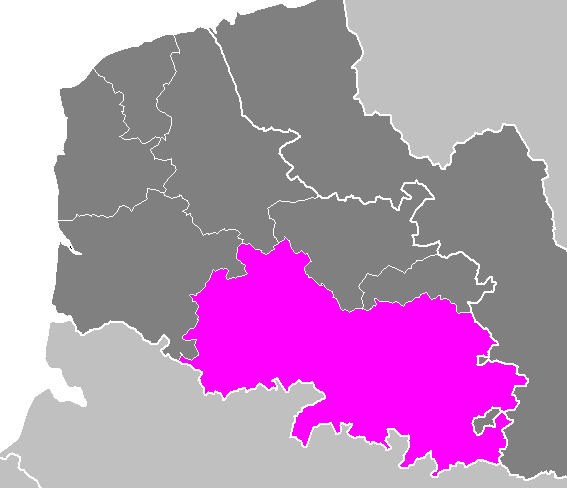
Geography and administration
The commune occupies a modest area of mixed farmland and small wooded plots typical of the department. It forms part of the wider network of municipalities that make up the Pas-de-Calais department. Local governance follows national practices: municipal elections are held for six-year terms and the mayor represents the commune in departmental and regional matters. Practical administrative information, public notices and services can be obtained via the mairie or through departmental portals such as the department website.
History
Séricourt shares the long rural history of northern France, with settlement patterns extending back to medieval times. Over the centuries the locality evolved through agricultural development, administrative reforms and the influence of broader historical events. Like many communities in Pas-de-Calais, its landscape and built heritage reflect social and economic changes from the 18th to the 20th century, including the effects of industrialisation and wartime activity.
Economy and community life
The local economy is largely agricultural, supplemented by small businesses and services serving residents and neighbouring villages. Communal life typically centres on institutions such as the town hall, a parish church and a war memorial. Seasonal fêtes, markets and communal meetings sustain local ties; residents commonly travel to larger nearby towns and regional centres for specialised health, education and commercial services, connected by departmental roads and regional transport.
Landmarks and culture
Although modest in size, Séricourt commonly contains characteristic rural features: traditional farm buildings, village streetscapes and local places of worship that illustrate regional architecture and community history. Local archives, parish records and departmental cultural services provide further information for visitors and researchers interested in heritage and notable sites in northern France.
- Typical institutions: mairie (town hall), parish church, communal green space and a war memorial.
- Common activities: municipal council sessions, local festivals, agricultural events and village markets.
- Further information: contact the commune office or consult departmental records and regional guides for practical details and historical sources.
Related articles
Author
AlegsaOnline.com Séricourt: Commune in Pas-de-Calais, Northern France Leandro Alegsa
URL: https://en.alegsaonline.com/art/89058