
Sergio Arellano Stark
Chilean military officer who led the post‑1973 coup delegation known as the 'Caravan of Death'; later prosecuted for human rights violations and died in 2016.
Overview
Sergio Arellano Stark was a Chilean military officer born in Santiago in 1921. He became widely known for commanding an expeditionary military delegation in the days following the 1973 coup d'état in Chile. That delegation, which operated using helicopters and military vehicles, has been referred to in historical accounts and judicial proceedings as the "Caravan of Death."
Image gallery
1 Image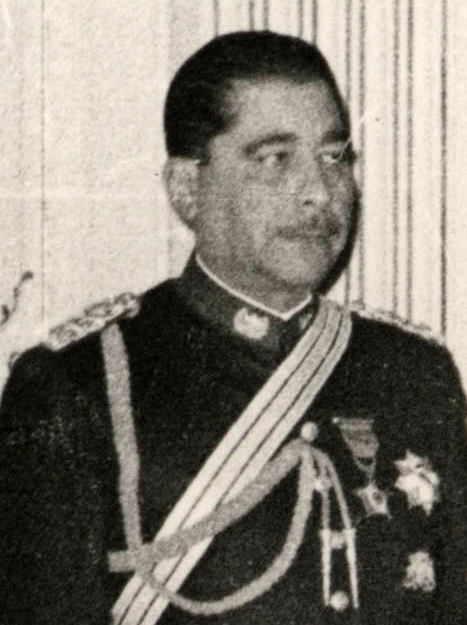
The Caravan of Death
Immediately after the overthrow of President Salvador Allende in September 1973, Arellano Stark led a group of officers who traveled to a series of regional military installations and detention sites. The mission has been described as aimed at eliminating or neutralizing political opponents of the new regime and consolidating authority across the country. Victims included detained politicians, activists and military personnel suspected of opposition. The operation remains one of the most controversial and scrutinized episodes of Chile's military government.
Background and career
Arellano Stark served for many years in the Chilean armed forces and rose through the ranks before assuming the role that brought him public notoriety. His actions during the immediate post‑coup period were tied to the broader context of the military takeover led by General Augusto Pinochet. Arellano's hometown and lifelong residence was Santiago, where he was born and later died.
Legal aftermath and legacy
Decades after 1973, investigations and court cases in Chile examined the Caravan of Death and its chain of command. Arellano Stark was among the officers investigated and later prosecuted for his participation in operations that resulted in executions and disappearances. The prosecutions formed part of a broader effort in Chile to address human rights violations committed during the military government, and they contributed to public debates about accountability, memory and transitional justice.
Death and historical significance
Sergio Arellano Stark died in Santiago in 2016 from complications related to Alzheimer's disease. His name remains associated with a period of Chilean history marked by political violence and repression; historians, victims' families and legal authorities continue to study the events of 1973 and their aftermath. The case of Arellano Stark is often cited in discussions of command responsibility and the challenges of prosecuting state violence.
Key points
- Led the post‑coup military delegation known as the Caravan of Death.
- Actions linked to executions and disappearances of detainees after the 1973 coup.
- Subject of later legal proceedings in Chile seeking accountability for human rights abuses.
- Died in 2016 in Santiago; his role remains a focal point in Chilean memory of the dictatorship era.
For additional context on Chile's 1973 coup and subsequent processes of investigation and reconciliation, see broader works on Chilean history and transitional justice studies. Further primary documents and legal findings are available through national archives and judicial records.
Related articles
Author
AlegsaOnline.com Sergio Arellano Stark Leandro Alegsa
URL: https://en.alegsaonline.com/art/89030