
Sepang International Circuit
Major motorsport venue in Sepang, Selangor, Malaysia, known for its Tilke design, long straights, and for hosting Formula One, MotoGP and other international racing events since 1999.
Overview
The Sepang International Circuit is a purpose-built motorsport complex located in Sepang, in the state of Malaysia. It sits close to the Kuala Lumpur International Airport and roughly 60 km south of central Kuala Lumpur, making it a convenient hub for international events and teams. Opened in 1999, the circuit was created to host premier international racing and to raise the profile of motorsport in the region.
Image gallery
8 Images





Design and layout
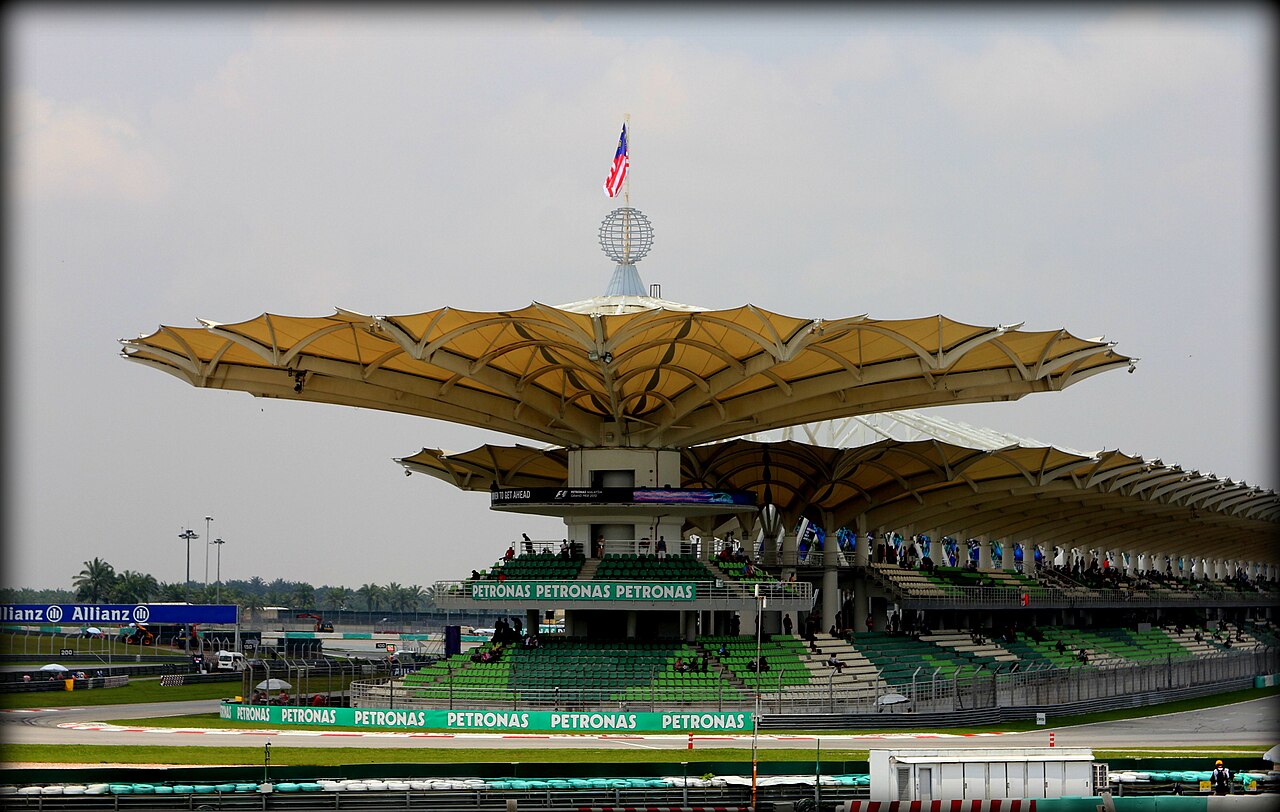
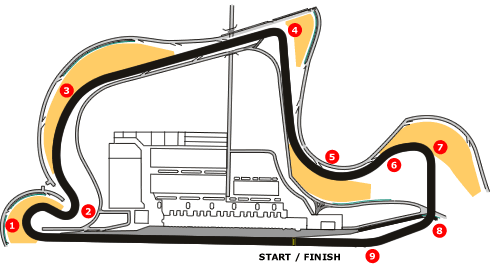
The track was designed by German architect Hermann Tilke, whose style blends high-speed sections with technical corners and extensive run-off areas. The layout is notable for a sequence of fast straights and slow, tight bends that reward both top speed and precise handling. The paddock and pit complex were constructed to support the logistical demands of Formula One and other large series, with grandstands and hospitality suites arranged to give broad views of multiple corners. For commentary on the circuit's planning and later modifications see related design notes.
Events and usage
Sepang has hosted a variety of international competitions and activities. Historically it was the venue for the Formula One Malaysian Grand Prix, and it has staged rounds of the A1 Grand Prix and the MotoGP World Championship. Beyond top-tier racing, the facility is used for testing, driver training, local touring car and motorcycle series, corporate track days and public driving experiences.
Key features
- Mixed-speed layout combining long straights with technical infield sections, encouraging overtaking and varied race strategies.
- Modern pit lane and paddock infrastructure designed to handle international teams and broadcast requirements.
- Large spectator areas and multiple grandstands to host tens of thousands of visitors for major events.
- Tropical climate considerations: sudden rain and high temperatures often influence race outcomes and tire choice.
History and significance
Since its inauguration at the end of the 20th century, Sepang has been an important venue for motorsport in Southeast Asia. It helped bring global racing series to the region and served as a testing ground for teams seeking hot-weather data. The circuit's architectural identity reflects a period in which purpose-built venues were favored for new international races, and it remains a reference point for modern track design and event management in Asia.
Notable facts and distinctions
Sepang is frequently cited for its spectator-friendly sightlines and the contrast between long high-speed sectors and tighter technical corners. Its proximity to a major international airport aids logistics for teams and fans. The venue's adaptability—hosting racing, exhibitions and corporate events—has kept it in regular use even when a particular international series is not on the calendar.
Related articles
Author
AlegsaOnline.com Sepang International Circuit Leandro Alegsa
URL: https://en.alegsaonline.com/art/88891
Sources
- forumula1.net : "Sepang International Circuit Preview"