
Hermann Tilke — designer of modern Formula One circuits
German architect and circuit designer Hermann Tilke (born 1954) is known for creating many contemporary Formula One tracks worldwide, combining engineering, safety and spectator facilities.
Hermann Tilke (born 31 December 1954 in Olpe) is a German-born designer and engineer best known for planning and building contemporary motorsport circuits. Trained in engineering and architecture, he has become the most prominent figure in the global expansion of Formula One venues since the 1990s.
Image gallery
2 Images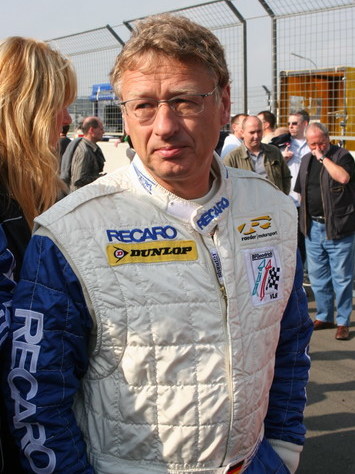

Background and practice
Tilke studied engineering and architecture and later combined those disciplines in a practice that addresses track layout, safety systems, pit and paddock complexes, and spectator amenities. He founded a multidisciplinary design firm that handles civil engineering, architecture and racetrack construction. He has also taken part in motorsport himself as an amateur racing driver, which informs his approach to track design.
Design characteristics
Tilke's circuits are notable for their emphasis on safety, modern facilities and race control. Common features include long straights feeding heavy braking zones, a mix of high-speed and technical sections, generous run-off areas, and complex service areas to support teams and media. His projects often combine aesthetic architecture with practical circulation for spectators and logistics.
Notable projects
- Sepang International Circuit (Malaysia)
- Bahrain International Circuit
- Shanghai International Circuit (China)
- Istanbul Park (Turkey)
- Yas Marina Circuit (Abu Dhabi)
- Circuit of the Americas (Austin, USA)
- Buddh International Circuit (India)
- Sochi Autodrom (Russia)
These projects demonstrate Tilke's global reach and his role in bringing modern standards and facilities to new race venues across Asia, the Middle East and the Americas.
Reception and influence
Tilke's work is widely credited with improving safety and infrastructure at contemporary circuits, enabling Grand Prix racing in many new locations. At the same time, critics sometimes point to similarities between different tracks and debates over whether newer layouts always encourage close wheel-to-wheel racing. Tilke has worked closely with international motorsport authorities to meet evolving safety and homologation standards, and his practice remains central to how modern circuits are conceived and built.
For an introduction to his career and major projects see a profile by a specialist motorsport or architecture source, or follow professional listings of the firm and project archives for more technical detail. Further reference
Related articles
Author
AlegsaOnline.com Hermann Tilke — designer of modern Formula One circuits Leandro Alegsa
URL: https://en.alegsaonline.com/art/120603
Sources
- planetf1.com : "Track Design to Blame for Lack of Overtaking"
- bleacherreport.com : "Is Hermann Tilke Slowly Killing Formula One?"
- grandprix.com : "The people behind the Grand Prix in India"
- formula1.com : "Indian track named Buddh International Circuit"
- adamcooperf1.com : "Tilke designing Austin track, site already purchased"
- formula-1.updatesport.com : "Release of US GP details eases scepticism"
- austin.ynn.com : "F1 organizers divulge details of Austin race site"