
Kuala Lumpur — Malaysia's Capital and Cultural Hub
Kuala Lumpur is Malaysia's largest city and federal territory, a commercial and cultural center known for the Petronas Twin Towers, diverse population, historical origins, and major transport connections.

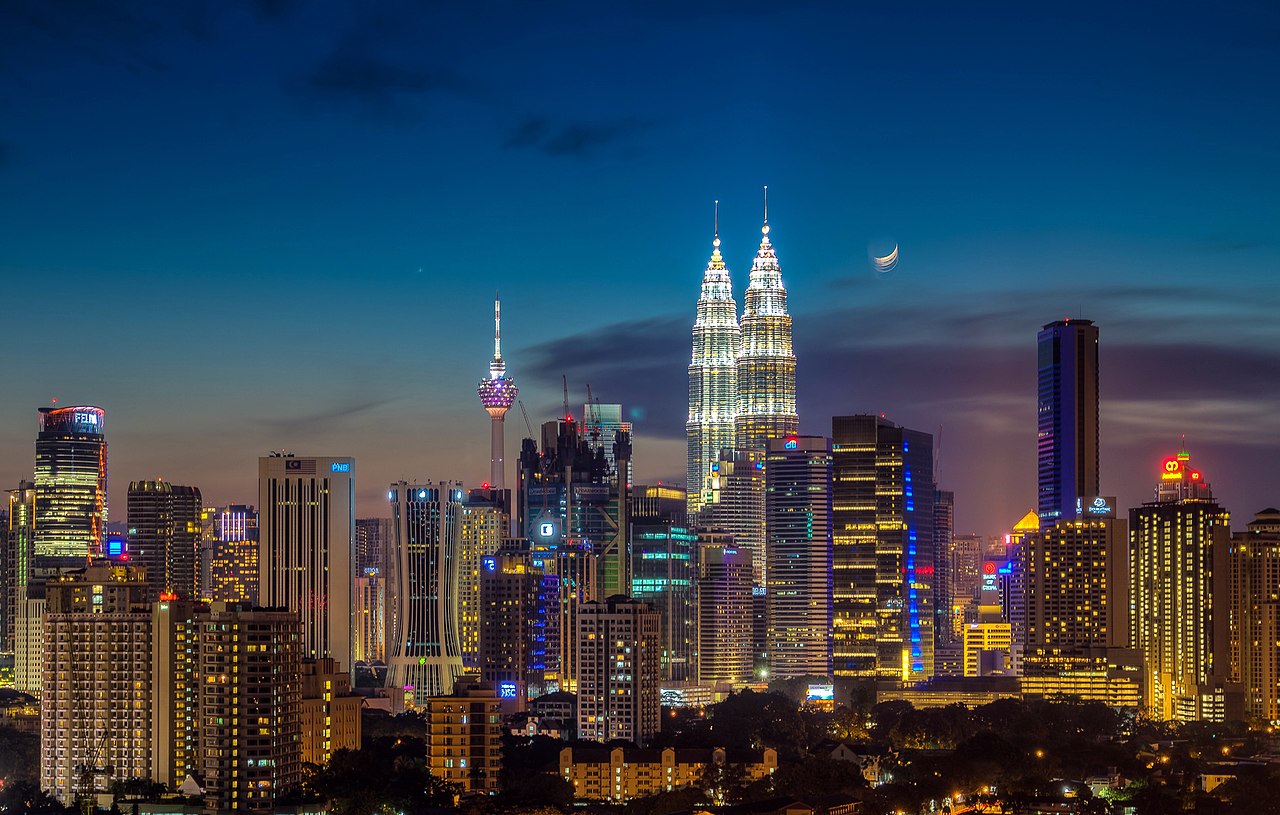
Kuala Lumpur is the national capital and largest city of Malaysia, administered as a Federal Territory separate from surrounding states. Often abbreviated to KL, it functions as the country's principal economic, cultural, and transport center. The skyline is dominated by the Petronas Twin Towers and other modern high-rises, while neighborhoods preserve colonial-era buildings and diverse street life.
Image gallery
10 Images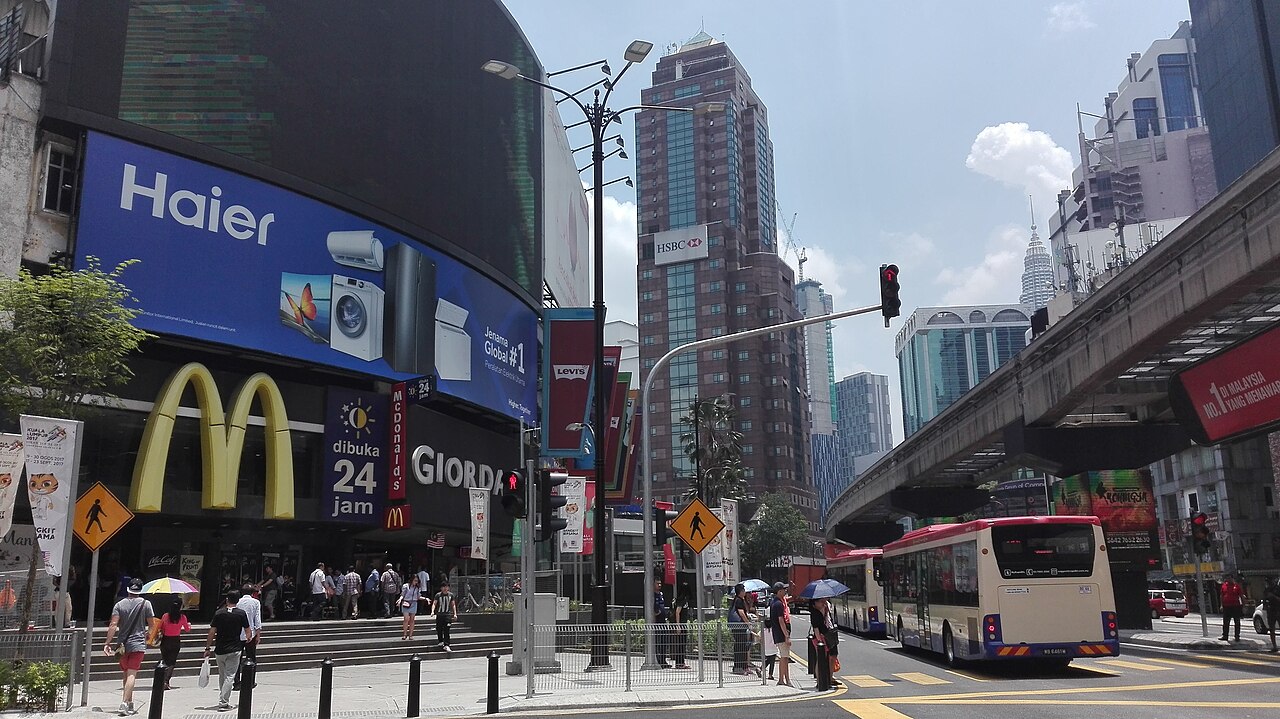


Origins and historical development
The settlement that became Kuala Lumpur began in the mid-19th century as a riverside tin-mining outpost at the confluence of two rivers. It expanded under British colonial administration and later became the capital of the Federation of Malaya and, subsequently, modern Malaysia. Administrative functions were gradually moved to the planned city of Putrajaya in the late 1990s, but Kuala Lumpur remains the country's commercial and cultural heartbeat.
City character and population
Kuala Lumpur has a multicultural population composed largely of Malay, Chinese, Indian and other communities. This diversity is reflected in the city’s languages, religions, festivals, and cuisine. Districts range from dense central business areas and upmarket shopping districts to historic enclaves and bustling street markets. Public spaces include parks, a prominent central square, and urban neighborhoods with active street life.
Landmarks and notable places
- Petronas Twin Towers — an internationally recognized symbol and major tourist draw.
- KL Tower — communications tower with panoramic views.
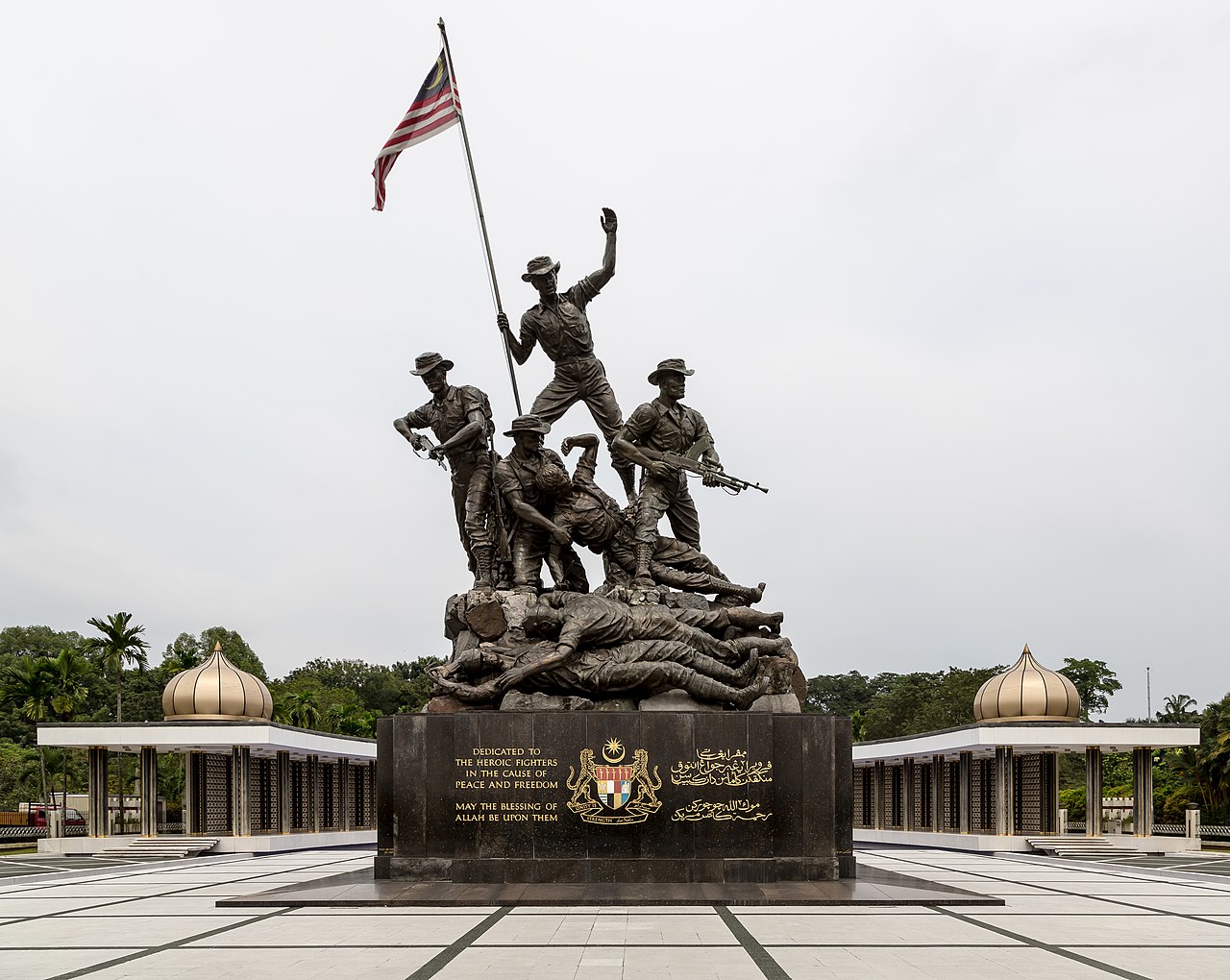
- Historic precincts and colonial-era buildings that document the city’s growth.
- Religious and cultural sites reflecting the city’s plural heritage.
Economy, transport and role
The city is a national financial and business center with many corporate headquarters, shopping centers, universities, and cultural institutions. Transport links include an integrated rail network, a central rail hub, buses, and connections to major airports that serve the region. Visitors and residents use a mix of rapid transit, monorail, and commuter services to move around the metropolitan area.
Distinctions and contemporary notes
Kuala Lumpur is officially a Federal Territory rather than part of a state, a status reflecting its national role. It remains distinct from nearby administrative centers while continuing to grow as a hub for tourism, business and the arts. For general information about local names and language usage see the Malay-language references, and for administrative context the city is described in broader country resources such as Malaysia and materials on federal territories at territorial overview.
Practical visitors’ information and cultural highlights change over time, so consult current guides for opening hours, transport updates, and event listings before travel.
Related articles
Author
AlegsaOnline.com Kuala Lumpur — Malaysia's Capital and Cultural Hub Leandro Alegsa
URL: https://en.alegsaonline.com/art/54535