
Sendai, Miyagi: regional capital and cultural center of northeastern Japan
Sendai is the largest city in Japan’s Tōhoku region and the capital of Miyagi Prefecture, nicknamed the “City of Trees.” It is a transport, education and cultural hub with historic roots and notable post‑2011 recovery.
Overview
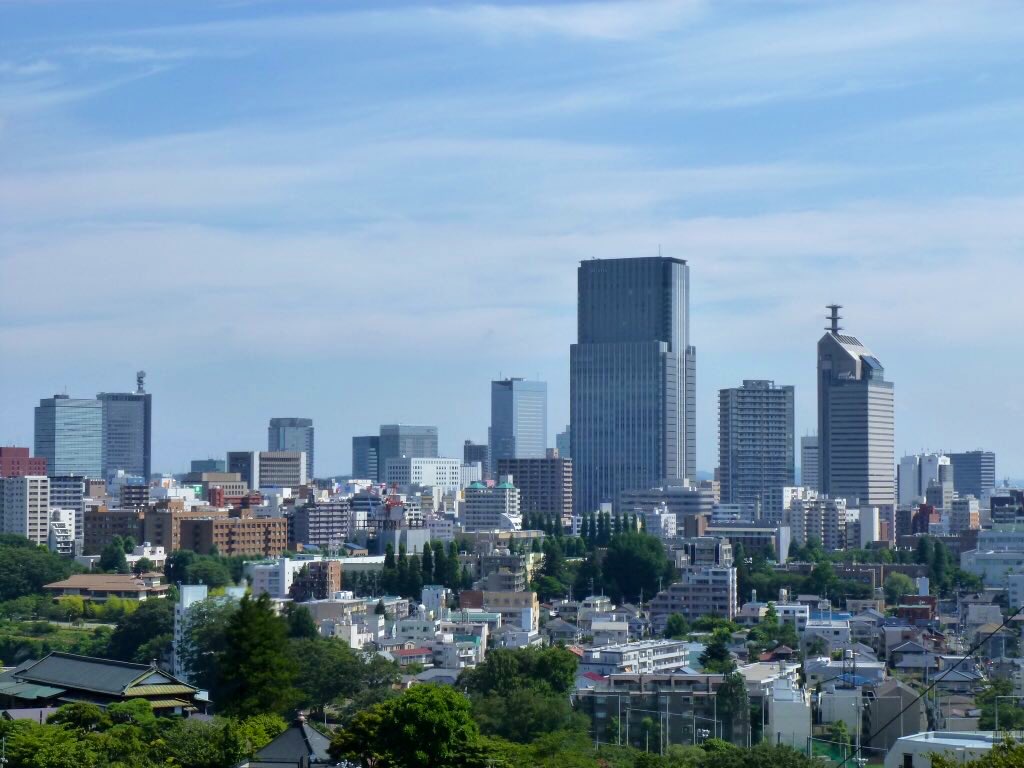
Sendai is the largest city in the Tōhoku region and the capital of Miyagi Prefecture. Located on the northeastern island of Honshu in Japan, it is commonly called the "City of Trees" (杜の都, Mori no Miyako) for its leafy avenues and urban parks. The modern city developed around the stronghold established in the early 17th century and today serves as the primary economic, educational and cultural center for northern Japan. Its population is on the order of one million people, and the city functions as a regional hub for government and services within Miyagi.
Image gallery
10 Images






Geography and climate
Sendai stands on a coastal plain opening to the Pacific Ocean with hills and mountains to the west that form a natural backdrop. The urban area stretches along river valleys, offering easy access to inland highlands and ski areas. The city experiences four distinct seasons, with warm summers and cold winters that support winter recreation in nearby uplands. Green spaces and riverside promenades are integral to Sendai's urban character.
History
The modern urban core grew up around a castle founded by the regional ruler Date Masamune in 1601. Known as Aoba Castle (Sendai Castle), that site and nearby mausolea and shrines reflect the influence of the Date clan during the Edo period. Sendai expanded as an administrative and commercial center during the Meiji era and developed industrial, academic and transport infrastructures during the 20th century.
2011 earthquake, tsunami and recovery
On March 11, 2011, a major earthquake and subsequent tsunami caused widespread damage across the Tōhoku region and affected Sendai and its surrounding coastal communities. The disaster prompted large-scale recovery, reconstruction and improvements in disaster preparedness. Transport facilities, including airports and rail links, were repaired and restored over months and years, while local and national efforts emphasized resilient coastal protection and urban renewal following the 2011 Tōhoku earthquake and tsunami.
Transport and infrastructure
Sendai is a key transport node in northern Japan. Sendai Airport, located in nearby Natori to the south of the city center, handles domestic and some international services and resumed limited operations soon after the 2011 disaster. The city is served by Tōhoku Shinkansen high‑speed services linking it with Tokyo and northern prefectures, and an extensive network of regional rail, subway and highways provide local and intercity connections.
Education, research and economy
Academic institutions play an important role in Sendai’s identity. Tohoku University, one of Japan’s leading research universities, anchors a cluster of education and research facilities that contribute to innovation and the local economy. The city’s economy mixes retail, services, light manufacturing, research and tourism, acting as the commercial hub for Miyagi and neighboring prefectures.
Culture, festivals and attractions
Sendai offers a blend of historic sites and contemporary culture. Notable landmarks include the Aoba Castle area on a wooded hill, the mausoleum Zuihōden, and the Osaki Hachimangū shrine. Seasonal events are central to civic life: the lively Tanabata Festival is one of the city’s signature celebrations, drawing visitors and showcasing local customs. Regional cuisine, including grilled beef tongue and seafood specialties, is prominent in local dining.
Recreation and sport
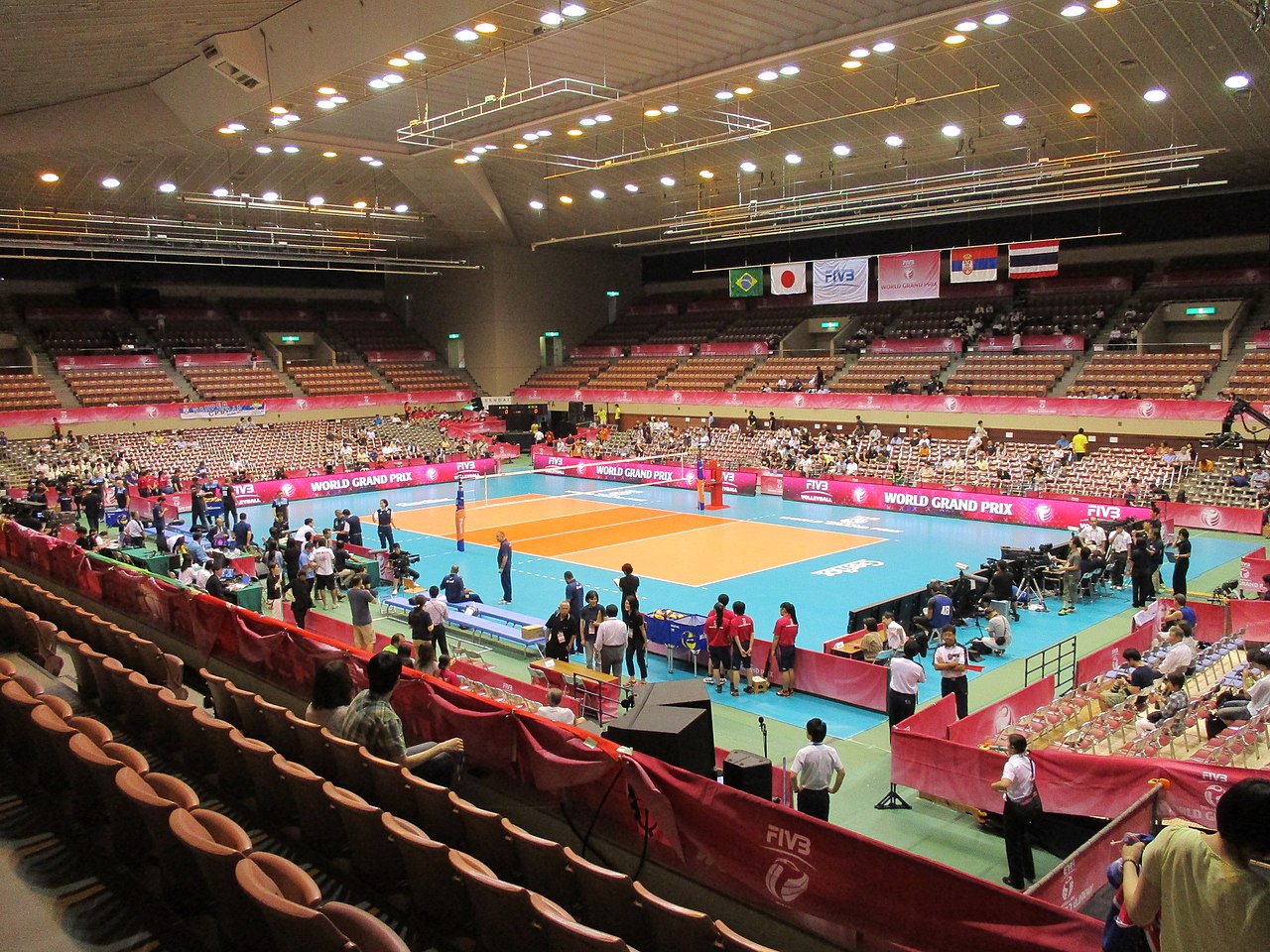
Outdoor recreation is readily accessible from Sendai. Nearby highlands and mountains host a number of ski resorts and hiking areas within a few hours’ travel, while coastal and urban parks provide year‑round leisure opportunities. The city supports professional sports teams that foster local pride; the J.League soccer club Vegalta Sendai is a visible part of the sporting landscape and draws supporters from the region.
Key sites and practical information
- Historic and cultural sites: Aoba Castle area, Zuihōden, Osaki Hachimangū.
- Transport hubs: Sendai Station (Shinkansen), Sendai Airport.
- Festivals: Tanabata and various seasonal events celebrate Sendai’s cultural life.
- Outdoor activities: Nearby ski resorts, hiking, riverside parks and coastal excursions.
Sendai’s combination of historical heritage, university research, accessible nature and urban greenery contributes to its reputation as a leading city in northeastern Japan. Ongoing initiatives in disaster resilience, urban planning and cultural promotion continue to shape the city’s development and its role within the wider Tōhoku region.
Related articles
Author
AlegsaOnline.com Sendai, Miyagi: regional capital and cultural center of northeastern Japan Leandro Alegsa
URL: https://en.alegsaonline.com/art/88809
Sources
- citypopulation.de : "Data about Miyagi"
- books.google.com : "Date Masamune"
- suntimes.com : "With radiation concerns gone, Japan eager for tourists"
- mdn.mainichi.jp : "U.S. says safe to use Sendai Airport"