
Miyagi Prefecture: geography, history, culture and key places
Miyagi Prefecture in the Tōhoku region of Japan, centered on Sendai, is known for coastal scenery, rice and seafood industries, cultural festivals, and recovery after the 2011 earthquake and tsunami.

Overview: Miyagi Prefecture is an administrative prefecture of Japan, located on the eastern side of the island of Honshu. It sits within the Tōhoku region and is anchored by the city of Sendai, the largest urban center and transportation hub. Miyagi is the most populous prefecture in Tōhoku and combines coastal lowlands, river plains and mountainous interior terrain.
Geography and climate: The prefecture fronts the Pacific Ocean along the rugged Sanriku coast, noted for its rias (drowned river valleys) and many small, pine-covered islands. Inland areas rise into forested hills and higher ranges. The climate ranges from mild coastal conditions to colder, snowier winters in the mountains, with warm, humid summers.
History and development: The area that is now Miyagi was shaped by samurai-era domains such as Sendai under Date Masamune and was reorganized into a modern prefecture during the Meiji period. In March 2011 much of Miyagi's eastern coastline was devastated by a major earthquake and tsunami; recovery and reconstruction have been central to the prefecture's recent history, including efforts to rebuild communities and strengthen coastal defenses.
Economy and transport: Agriculture (notably rice), commercial fishing and seafood processing are important in coastal and river plain zones, while manufacturing, commerce and services concentrate around Sendai. The city links Miyagi to the rest of Japan by rail and air and serves as a regional center for education, business and technology.
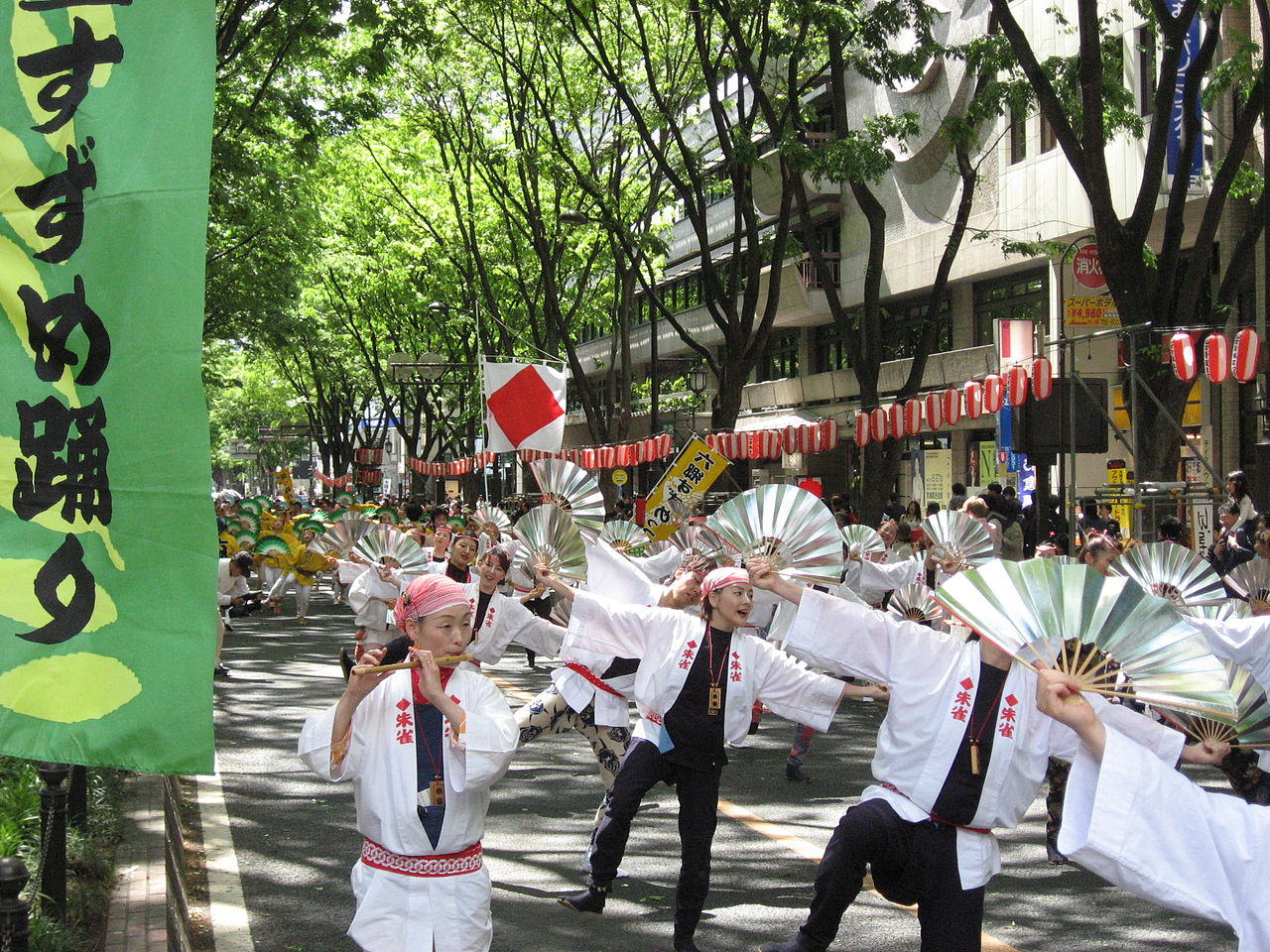
Culture, food and festivals: Miyagi has active cultural traditions and events. Sendai's Tanabata festival is widely attended each summer. Local specialties include beef tongue dishes and zunda, a sweet paste made from mashed edamame used in sweets. Museums, traditional temples and shrine celebrations reflect both local history and contemporary arts.
Image gallery
4 Images


Notable places and visitor highlights
- Matsushima Bay and its pine-dotted islets, celebrated as one of Japan's scenic views.
- Zuigan-ji temple and other historic sites around Matsushima.
- Ishinomaki and coastal towns that combine fishing industry activity with cultural sites such as the manga museum.
- Ruins and parks in Sendai connected with the Date clan and modern urban attractions.
Distinctions and practical notes: Miyagi balances natural scenery and urban life, and its coastal areas remain important both economically and as symbols of resilience after disaster. Visitors commonly travel via Sendai as a gateway to explore the prefecture’s food, history and coastal landscapes.
Questions and answers
Q: What is Miyagi Prefecture?
A: Miyagi Prefecture is a prefecture of Japan located in the Tōhoku region of the island of Honshu.
Q: What is the capital city of Miyagi Prefecture?
A: The capital city of Miyagi Prefecture is Sendai.
Q: What region is Miyagi Prefecture located in?
A: Miyagi Prefecture is located in the Tōhoku region of the island of Honshu.
Q: How would you describe Miyagi Prefecture?
A: Miyagi Prefecture is a prefecture in Japan known for its beautiful nature, delicious cuisine, and rich culture.
Q: What are some of the notable features of Miyagi Prefecture?
A: Some notable features of Miyagi Prefecture include Matsushima Bay, the Zao mountain range, and the Sendai Tanabata Festival.
Q: What is the Sendai Tanabata Festival?
A: The Sendai Tanabata Festival is a traditional Japanese festival held in Sendai, Miyagi Prefecture every August. It celebrates the meeting of two deities and is known for its colorful decorations.
Q: What is the population of Miyagi Prefecture?
A: According to a 2020 estimate, the population of Miyagi Prefecture is approximately 2.3 million people.
Related articles
Author
AlegsaOnline.com Miyagi Prefecture: geography, history, culture and key places Leandro Alegsa
URL: https://en.alegsaonline.com/art/65615
Sources
- books.google.com : "Miyagi prefecture"
- books.google.com : "Sendai"
- books.google.com : "Mutsu"
- bbc.co.uk : "Japan earthquake: Tsunami hits north-east,"
- voanews.com : "Report from Japan: Impact of Tsunami Devastates Nation's Northeast,"
- env.go.jp : "General overview of area figures for Natural Parks by prefecture"
- biodic.go.jp : "Rikuchu Kaigan National Park"
- search.japantimes.co.jp : "Japan's food crisis goes beyond recent panic buying,"
- eos.kokugakuin.ac.jp : "Nationwide List of Ichinomiya," p. 2