
Ségou Region
Ségou Region is a central-southern region of Mali along the Niger River, known for irrigated agriculture, cultural history as a Bambara center, and the annual Festival sur le Niger.
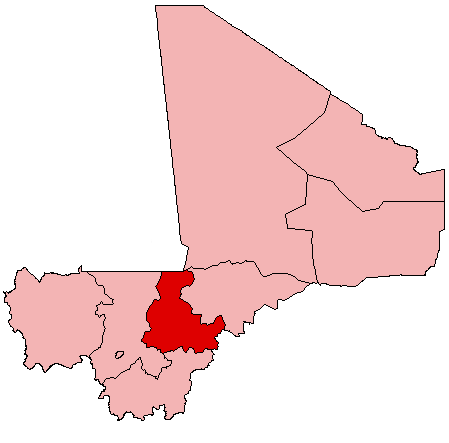
The Ségou Region is an administrative region in central-southern Mali whose capital is the city of Ségou. It occupies a strategic position along the middle reaches of the Niger River and includes a mix of riverine floodplains, irrigated plains and drier inland plateaus. The river shapes local livelihoods, transport and settlement patterns across the region.
Image gallery
3 Images

Geography and environment
Ségou spans the transition zone between the Sudanian and Sahelian belts: seasonal rains produce a clear wet season and a long dry season. Along the Niger are fertile floodplains and wetlands that support fishing and rice cultivation; beyond the river the landscape becomes more wooded or semi-arid. Irrigation schemes draw water from the Niger to expand productive land.
History and culture
The area around Ségou has long been a political and cultural crossroads. It was a center of the historical Bambara polities in the pre-colonial era and later became integrated into French West Africa. Today the region remains important for Bambara cultural heritage as well as for communities of Fula (Peulh), Bozo fishermen and other groups. Ségou city hosts the well-known Festival sur le Niger, an annual cultural event that attracts music, visual arts and performance.
Economy and administration
Economic life is dominated by agriculture and river-based activities. Large-scale and smallholder cultivation produces rice, millet, sorghum and cotton; the Office du Niger irrigation area is particularly associated with intensified rice production. Fishing, livestock rearing and artisan crafts complement cropping. Administratively the region is divided into several cercles and communes; notable cercles include:
- Ségou
- Niono
- Macina
- San
- Bla
- Tominian
Transport follows the river and road corridors that connect Ségou to the capital and other regions. Contemporary challenges include managing water resources, sustaining agricultural productivity, and addressing broader development and security concerns. The region remains a key contributor to Mali's food supply and an area of rich cultural expression.
Related articles
Author
AlegsaOnline.com Ségou Region Leandro Alegsa
URL: https://en.alegsaonline.com/art/88565