
Segisaurus
Segisaurus was a small, lightly built early theropod dinosaur known from a single partial skeleton found in what is now Arizona. It helps illuminate early Jurassic theropod anatomy and diversity.
Overview
Segisaurus is a small, lightly built theropod dinosaur known from North America. It lived in the early part of the Mesozoic and is usually placed in the Early Jurassic on the basis of the rocks where its remains were found, although older literature sometimes associated it with the Triassic. Only a single partial skeleton is known, so reconstructions and ecological interpretations remain cautious.
Image gallery
10 Images


Physical characteristics
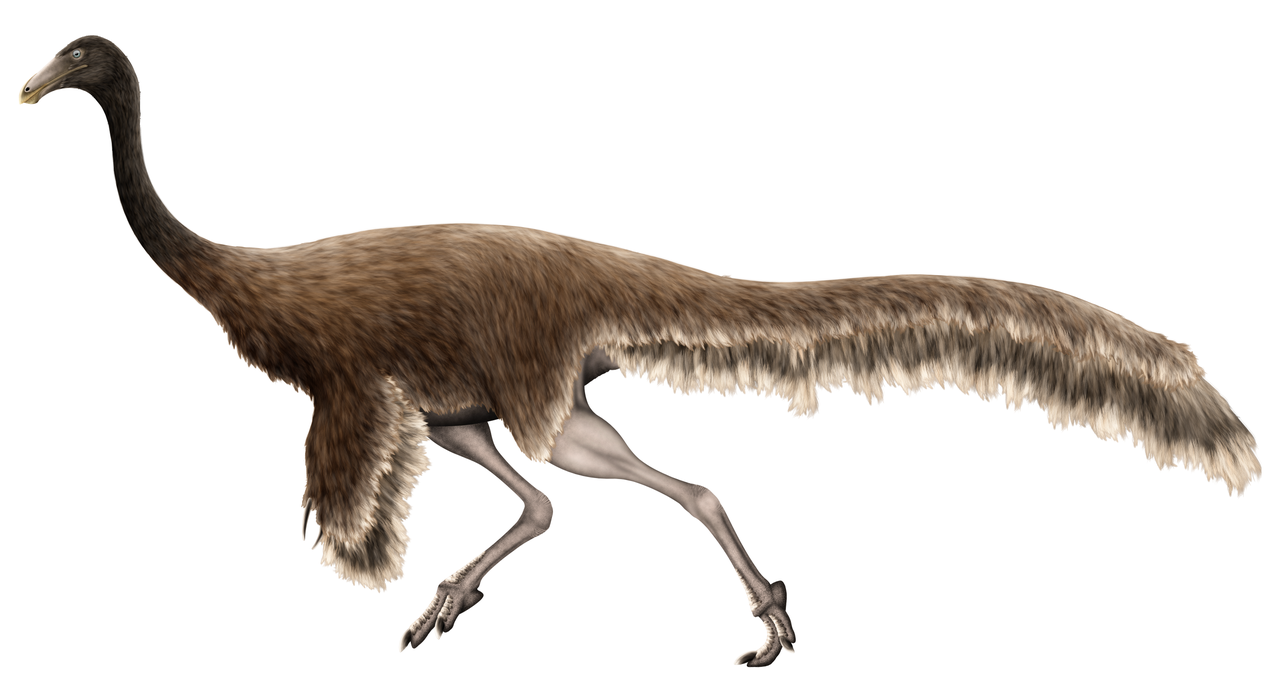
Segisaurus was slender and bipedal, with long hind limbs and a stiffening tail that would have aided balance while running. Its skeleton shows adaptations common in early theropods: hollow or lightly built bones, a grasping hand with claws, and three functional toes on each foot. Diet is inferred to have been carnivorous or insectivorous, feeding on small vertebrates and invertebrates rather than large prey.
Anatomical highlights
- Light, hollow bones that reduce weight and suggest active locomotion.
- Long hind limbs and a long tail for balance and agility.
- Forelimbs with hands capable of grasping, typical of early theropods.
Discovery and naming
The holotype was discovered in the American Southwest and was formally described in the early 20th century. The genus name refers to the locality where it was found and follows standard scientific naming practice. The specimen remains important because relatively few small early theropod skeletons are preserved from that region and interval.
Classification and significance
Segisaurus has been compared to other early theropods such as Coelophysis and has at times been linked to small, basal theropod groups. Its exact placement has varied among researchers: some treat it as a basal member of the theropod lineage, others see affinities with early coelophysoids. In all interpretations, it contributes valuable information about the early diversification of meat-eating dinosaurs and the anatomy of small, active predators in the Early Jurassic.
Paleobiology and context
Known from a limited fossil record, Segisaurus is reconstructed as an agile, ground-dwelling predator in a landscape of river systems and open habitats. Its remains help fill geographic and temporal gaps in our understanding of early theropod distribution. For further general context about the geological period where its rocks were deposited, see the relevant time interval.
Related articles
Author
AlegsaOnline.com Segisaurus Leandro Alegsa
URL: https://en.alegsaonline.com/art/88561