
Segnosaurus: the slow-lizard therizinosaur of the Late Cretaceous
Segnosaurus was a large herbivorous theropod (a therizinosaur) from the Late Cretaceous of Mongolia, known from partial skeletons and notable for its long neck, strong pelvis and large hand claws.
Overview
Segnosaurus (literally "slow lizard") is a genus of unusual theropod dinosaurs known from the Late Cretaceous. It belongs to the group commonly called therizinosaurs, a lineage of theropods that became largely herbivorous. Segnosaurus is known from incomplete remains and is appreciated for combining a theropod ancestry with features adapted for plant-eating.
Image gallery
10 Images


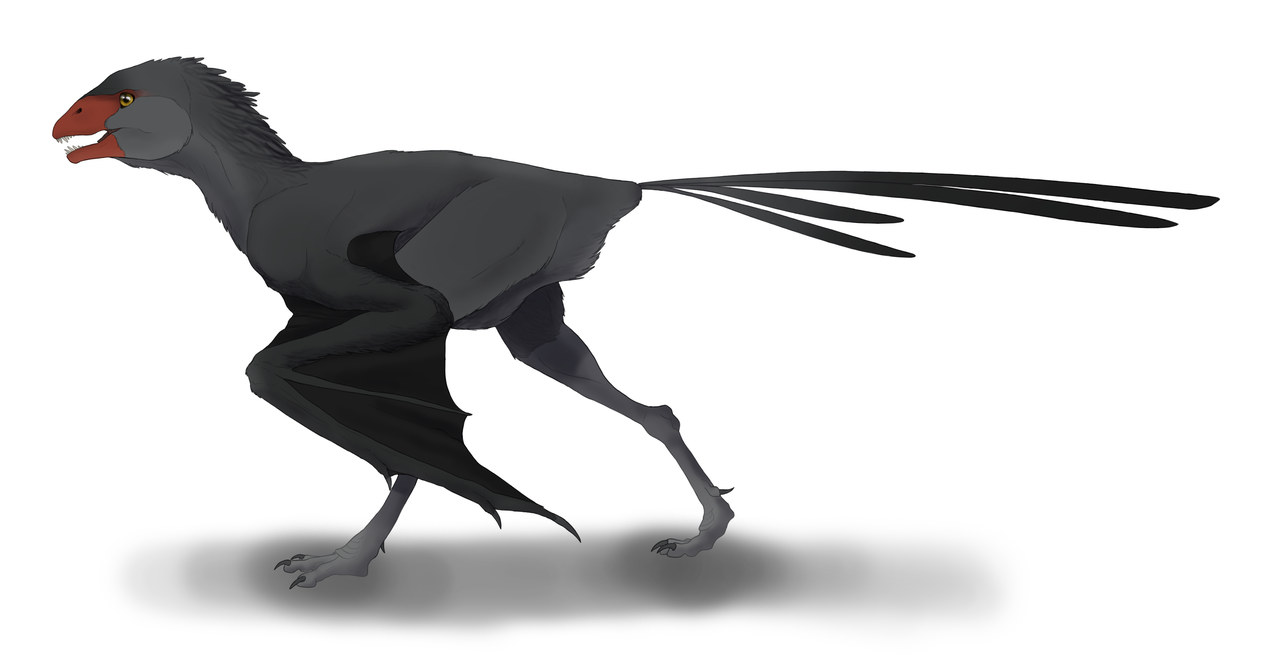


Discovery and fossils
Fossils attributed to Segnosaurus were recovered from Cretaceous deposits in Mongolia. Several partial skeletons have been described rather than a single complete specimen, so much of what is reconstructed comes from comparing these bones with related therizinosaurs. The age of the deposits places Segnosaurus in the Upper Cretaceous period, roughly in the mid-to-late Cenomanian stage according to geological correlations.
Characteristics
Segnosaurus shows a mix of traits inherited from its carnivorous ancestors and adaptations for a herbivorous lifestyle. Important elements include a long, flexible neck and a relatively small head, a broad pelvis and robust hind limbs, and hands bearing large recurved claws. Estimates of overall size vary; one assessment suggested a body length near six metres and a mass around 1.3 tonnes, but such numbers remain approximate because complete skeletons are lacking.
- Theropod ancestry with modifications for browsing
- Long neck and relatively small skull suited to reaching vegetation
- Large manual claws possibly used in foraging or defense
- Broad, strong pelvis and stocky hind limbs
Diet and behavior
Unlike most theropods, Segnosaurus and its relatives in the Therizinosaur group are interpreted as primarily herbivorous or omnivorous. Their tooth shape, jaw mechanics, and body build suggest they fed on leaves, stems, and possibly fruits—using their long necks to reach vegetation. The shift to herbivory represents a notable change from earlier, chiefly meat-eating ancestors, illustrating the ecological diversity that evolved within theropods.
Classification and significance
Segnosaurus is placed among a broader family of therizinosaurians that have been pivotal in reshaping ideas about theropod diets and lifestyles. Comparisons with other genera help paleontologists infer muscle attachment, posture, and feeding strategies. As an example of evolutionary reversal in feeding ecology, Segnosaurus highlights how major groups can diversify into unexpected niches while retaining key anatomical links to their past.
Further reading
Readers seeking more technical discussion can consult specialized literature and museum summaries; general overviews of theropods and therizinosaurs provide context for Segnosaurus within dinosaur evolution. For introductory material on theropods and dinosaur classification see resources labelled for broad audiences as well as technical papers that address fragmentary fossils and reconstruction challenges (dinosaur resources and reviews).
Questions and answers
Q: What is a Segnosaurus?
A: Segnosaurus is a herbivorous theropod dinosaur.
Q: When did Segnosaurus live?
A: Segnosaurus lived during the late Upper Cretaceous, about 93 million years ago.
Q: Was Segnosaurus a carnivore?
A: No, it was not. Segnosaurus was a herbivore.
Q: Where were the skeletons of Segnosaurus found?
A: Four partial skeletons of Segnosaurus were found in Mongolia.
Q: What were some of the physical characteristics of Segnosaurus?
A: Segnosaurus had a long flexible neck, long head, three-toed feet, a broad strong pelvis, stocky legs with clawed fingers and toes, and a short tail.
Q: How long was Segnosaurus estimated to be?
A: It was estimated that Segnosaurus was around six metres in length.
Q: What was the estimated weight of Segnosaurus?
A: Segnosaurus was estimated to weigh 1.3 tonnes.
Related articles
Author
AlegsaOnline.com Segnosaurus: the slow-lizard therizinosaur of the Late Cretaceous Leandro Alegsa
URL: https://en.alegsaonline.com/art/88563
Sources
- paleoglot.org : "Segnosauridae - novoe semeistvo teropod is posdnego mela Mongolii"