
Seewis im Prättigau — municipality in Graubünden, Switzerland
Seewis im Prättigau is a village municipality in the Prättigau valley of Graubünden, eastern Switzerland, known for alpine scenery, historic churches and the 1622 martyrdom of Fidelis of Sigmaringen.
Overview
Seewis im Prättigau is a rural municipality in the eastern Swiss Alps, located in the Prättigau valley. The settlement bears a Romansh name often rendered as Sievgia in local contexts. It forms part of the district administration and local government structures associated with its region and canton.
Image gallery
9 Images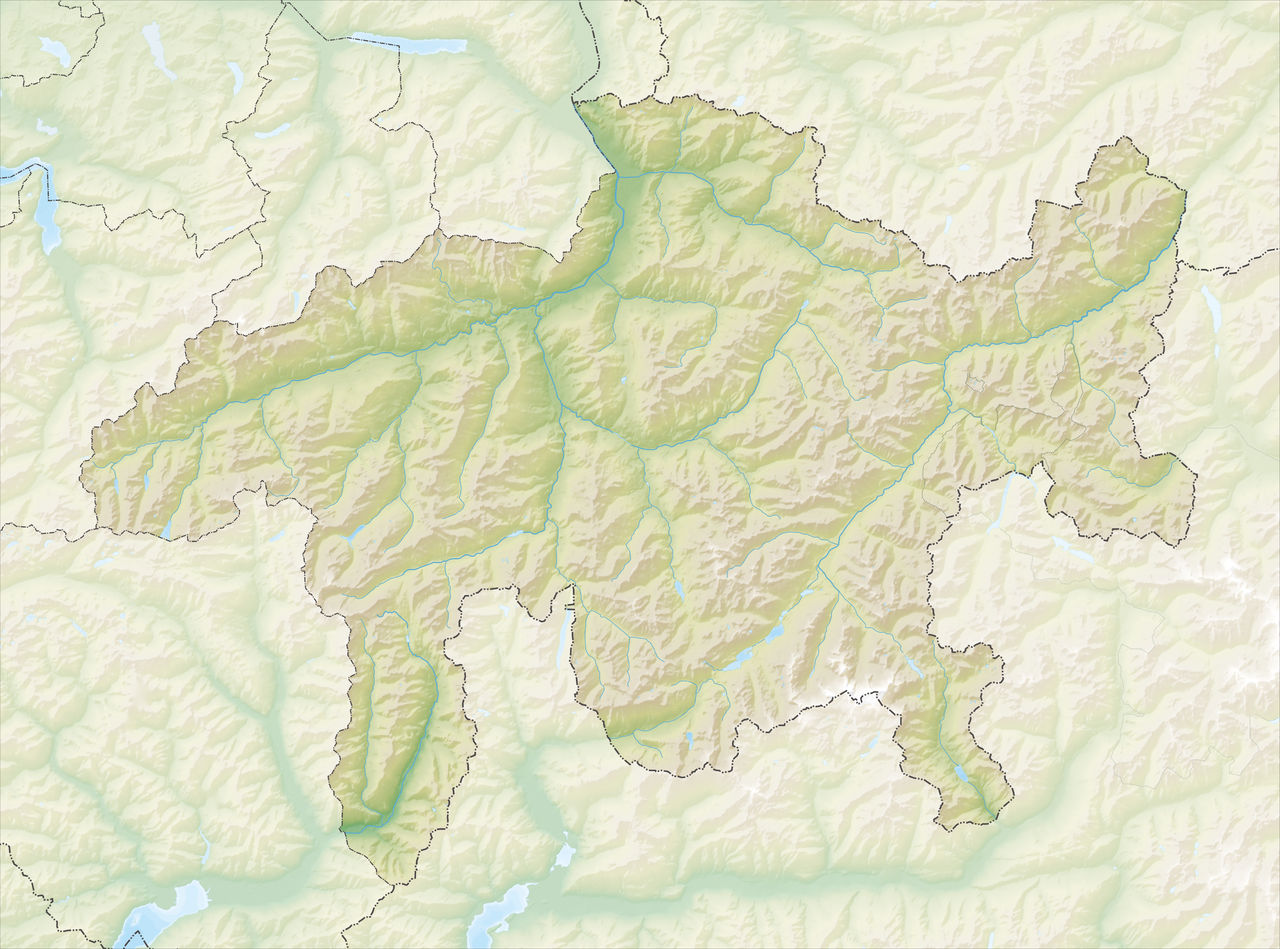


Location and geography
Situated in a high alpine valley, the municipality is characterized by mixed pastures, forested slopes and compact village clusters. It belongs administratively to the district of Prättigau/Davos and the canton of Graubünden. As part of Switzerland, Seewis lies within a network of mountain roads and regional rail links that connect it to larger towns in the area.
History and heritage
The village has medieval origins typical of alpine communities and retains historic churches and farmsteads. A notable event in its religious history is the 1622 killing of the Capuchin friar Fidelis of Sigmaringen during the era of confessional conflict known broadly as the Counter-Reformation. This episode has contributed to Seewis’s presence in religious histories of the region.
Community, administration and economy
Seewis functions as a municipal unit (municipality) within cantonal governance. Its economy is mixed: local services, agriculture adapted to mountain conditions, and tourism tied to hiking and winter sport opportunities in the Prättigau valley. Residents often rely on nearby regional centers for specialized services.
Culture and points of interest
The municipality offers traditional alpine architecture, village churches and marked trails. Typical points of interest include:
- Historic parish church and related memorials.
- Alpine pastures and walking routes linking to the valley’s network.
- Local events that reflect Graubünden traditions and languages such as Romansh and German.
Notable facts and distinctions
Seewis is part of a region that showcases Switzerland’s linguistic and cultural diversity; its Romansh name is one example. It is also remembered for the martyrdom of Fidelis, an incident that connects the village to larger European religious developments of the 17th century. For practical information on administration, services and travel, consult regional resources and municipal offices linked to the district and canton (Graubünden, cantonal authorities, language resources).
Researchers and visitors may find additional local details through regional guides and archives; general introductions and travel summaries are available via municipal and cantonal information channels (district, municipal, national).
Related articles
Author
AlegsaOnline.com Seewis im Prättigau — municipality in Graubünden, Switzerland Leandro Alegsa
URL: https://en.alegsaonline.com/art/88550
Sources
- bfs.admin.ch : "Arealstatistik Standard - Gemeinden nach 4 Hauptbereichen"
- bfs.admin.ch : "Ständige Wohnbevölkerung nach Staatsangehörigkeitskategorie Geschlecht und Gemeinde; Provisorische Jahresergebnisse; 2018"