
Segovia — historic city in Castile and León, Spain
Segovia is a Spanish city and the capital of its province in Castile and León, famous for a Roman aqueduct, the Alcázar fortress, a Gothic cathedral and a well-preserved medieval old town.
Overview

Image gallery
10 Images





Landmarks and notable sites
The city is best known for several landmarks that define its identity and urban silhouette. Key sites include:
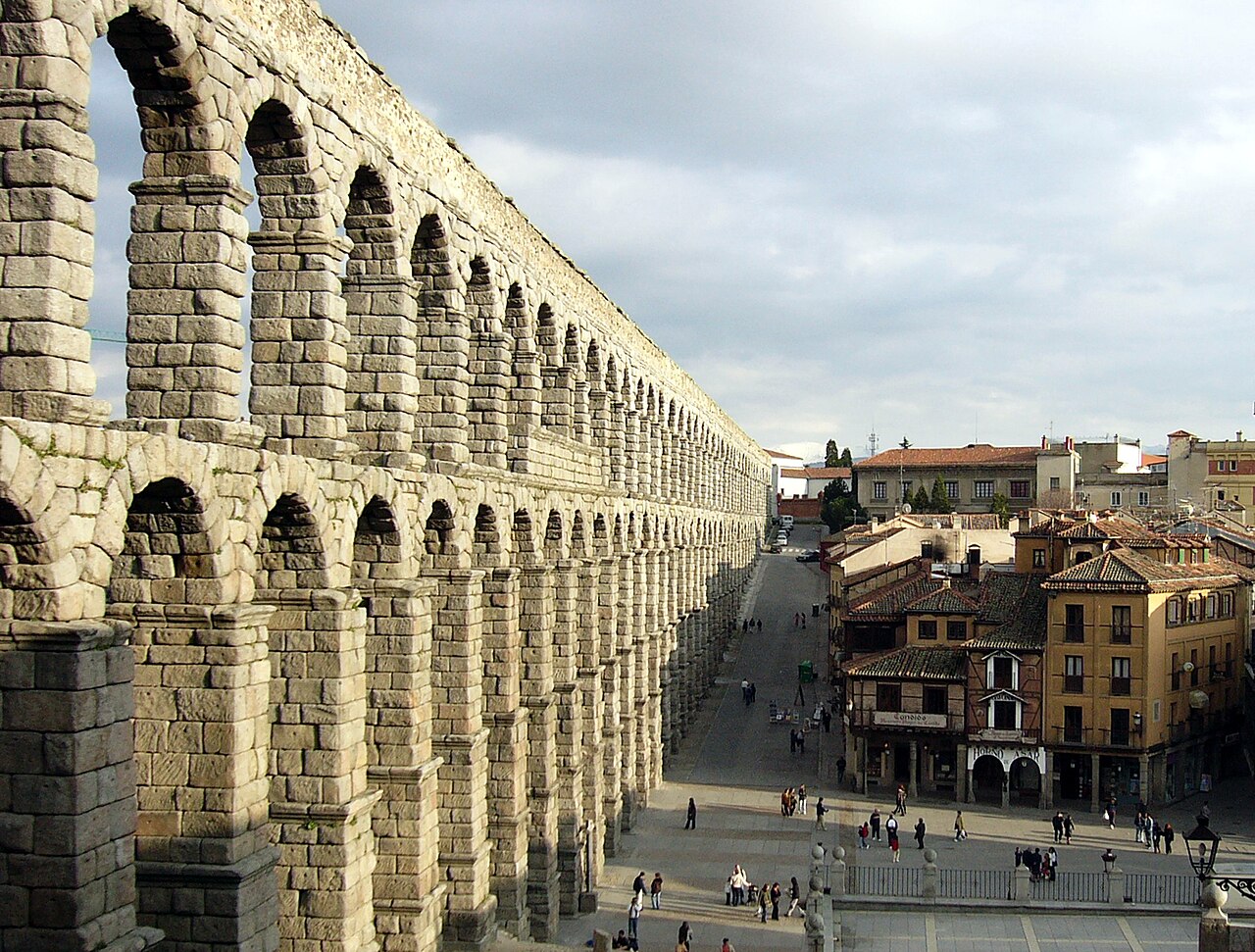
- Roman Aqueduct — an impressive ancient structure that carries water across the city and remains a focal point of public life.
- Alcázar of Segovia — a fortress-palace with towers and defensive walls that inspired later romantic imagery of castles.
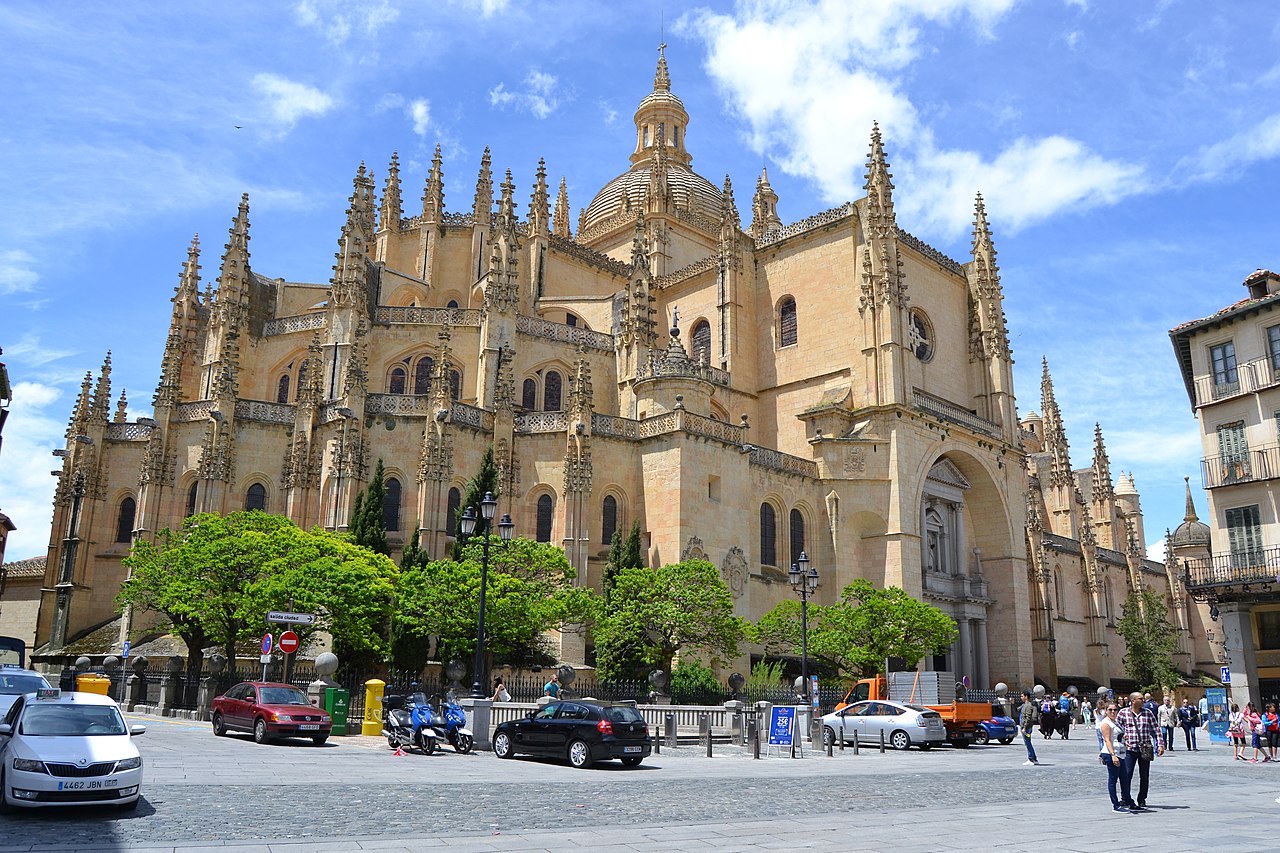
- Segovia Cathedral — a late Gothic cathedral dominating the Plaza Mayor and noted for its proportions and interior artwork.
- Jewish Quarter and medieval streets — a network of narrow lanes, plazas and historic houses reflecting the city’s layered past.
- Plaza Mayor — the civic heart where markets, processions and public gatherings take place.
History and development
Segovia's origins extend into the Roman period, when the aqueduct and early infrastructure were built. Over centuries the city grew through Visigothic, medieval Christian and later Spanish monarchic phases. Its defensive position and royal associations led to the construction of palaces, churches, and walls during the Middle Ages and Renaissance, shaping a townscape that retains clear chronological layers.
Culture, economy and traditions
The local economy combines tourism, services, light industry and rural activities in surrounding areas. Segovia is celebrated for regional cuisine — notably roast suckling pig (cochinillo) — and for festivals and religious observances that enliven the calendar. Museums, cultural events and small artisan workshops contribute to the city’s contemporary cultural life.
Architecture and urban character
Architecturally, Segovia offers examples from Roman engineering to Gothic ecclesiastical forms and later civil architecture. The old town’s compact streets, plazas and stone facades create a cohesive historic atmosphere. Preservation efforts and protected status have helped maintain the visual integrity of the core while allowing modern services on its periphery.
Visiting and significance
As a regional capital with a strong artistic and historical reputation, Segovia is frequently included in cultural itineraries from Madrid and other cities. Its monuments serve both as scholarly sources for the study of Roman and medieval Spain and as living settings for cultural tourism. The city illustrates how layered heritage can shape local identity and attract international interest.
Related articles
Author
AlegsaOnline.com Segovia — historic city in Castile and León, Spain Leandro Alegsa
URL: https://en.alegsaonline.com/art/88566