
Seda, Latvia — peat town in Vidzeme
Seda is a small town in the Vidzeme region of northern Latvia, historically linked to peat extraction. It gained town rights in 1991 and is known for its planned layout, nearby bogs and industrial heritage.
Overview
Seda is a small town in the Vidzeme region of northern Latvia. It is primarily known for its connection to peat extraction and for being a mid‑20th century planned settlement created to serve that industry. Seda was granted official town rights in 1991. Today it functions as a local service centre for nearby rural communities and for the remaining peat operations, while also attracting interest for nature and landscape values associated with surrounding bogs.
Image gallery
4 Images


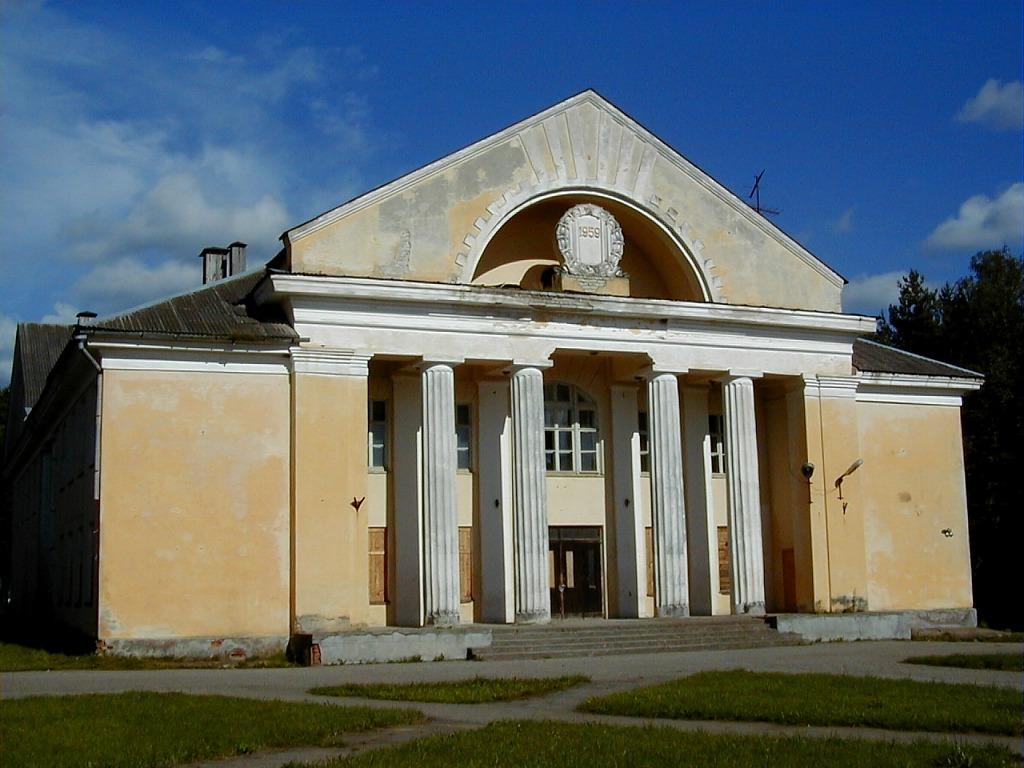
Geography and layout
The town lies amid lowland peatlands and wetlands that once supplied fuel and agricultural amendments. Its urban fabric reflects planned development from the Soviet period: residential blocks, service buildings and industrial facilities arranged to support large numbers of workers and their families. The proximity to bogs has shaped the local economy and ecology; many former extraction areas now show succession toward marsh, wet meadow and reedbed habitats.
History and development
Seda developed during the 20th century as peat reserves were exploited on a systematic scale. The settlement expanded with housing, schools and utilities to accommodate peat workers and state enterprises. With changes in Latvia's economy and the restructuring of heavy industry at the end of the 20th century, the town adapted to new realities, achieving town status in 1991 and shifting toward diversified local services and small businesses.
Economy, uses and tourism
The peat industry remains an element of Seda's identity, but the local economy also includes agriculture, small manufacturing and public services. The nearby bogs and open landscapes provide opportunities for nature appreciation, birdwatching and low‑intensity tourism. Local initiatives and events often emphasize industrial heritage, traditional crafts and the natural environment around the town.
Culture, sights and notable facts
- Industrial heritage: remnants of peat‑processing infrastructure and workers' housing illustrate the town's origins.
- Nature: surrounding peatlands are important for biodiversity and landscape character.
- Community life: small museums, local festivals and educational programs preserve Seda’s history and rural culture.
For general information and visitor guidance about Seda and its surroundings, see local resources and regional portals such as regional information pages.
Related articles
Author
AlegsaOnline.com Seda, Latvia — peat town in Vidzeme Leandro Alegsa
URL: https://en.alegsaonline.com/art/88502