
Great Seal of the State of Wisconsin: Symbolism, History, and Official Use
Overview of Wisconsin's Great Seal: design elements and meanings, historical evolution since statehood, and guidelines for official use and reproduction of this government emblem.
The Great Seal of the State of Wisconsin is the official emblem that represents the authority of the government of the U.S. state of Wisconsin. It appears on certain formal records and instruments to indicate their provenance and to authenticate actions taken by state offices.
Image gallery
9 Images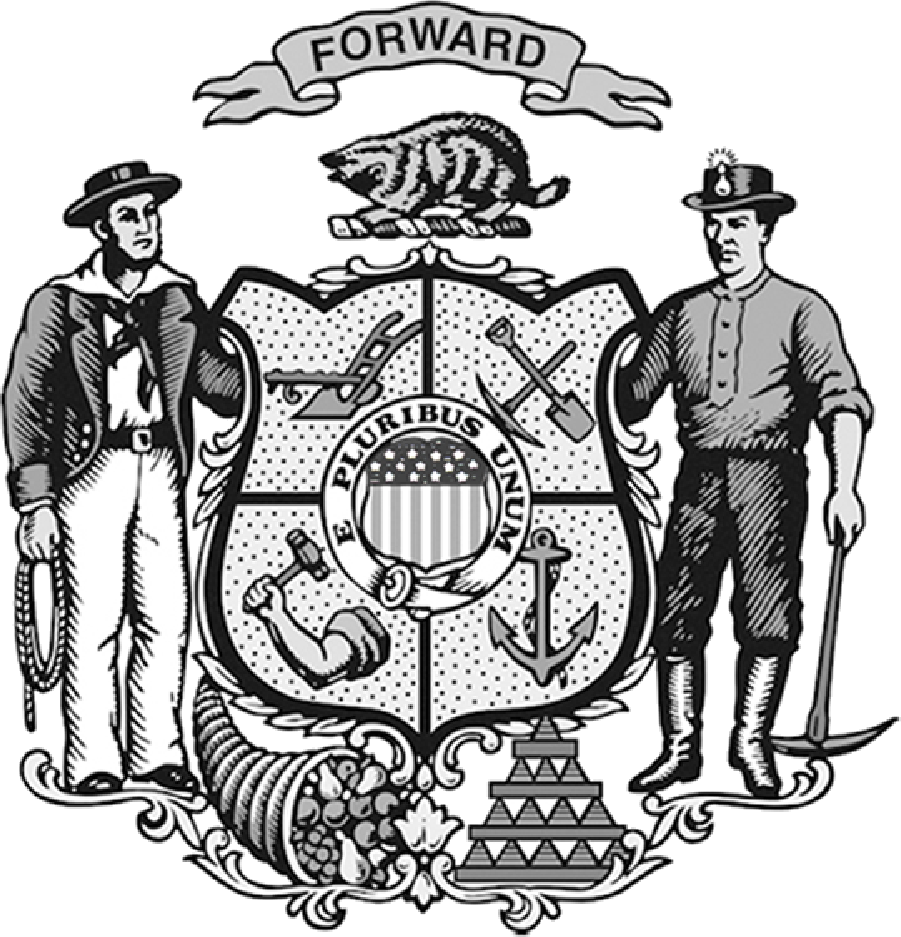



Design and symbolism
The seal incorporates the state coat of arms and a number of symbols meant to reflect Wisconsin’s history, economy, and values. Elements commonly associated with the design include:
- a central shield divided to represent major economic activities such as agriculture, mining, manufacturing and navigation;
- supporting figures, traditionally a miner and a sailor, standing beside the shield;
- a crest featuring the state animal, the badger;
- the state motto and other devices that signal prosperity and the state’s natural resources, often shown beneath the shield.
Each element on the seal carries an intended meaning tied to the state’s past and industries; interpretations and the precise arrangement are established by state authorities.
History
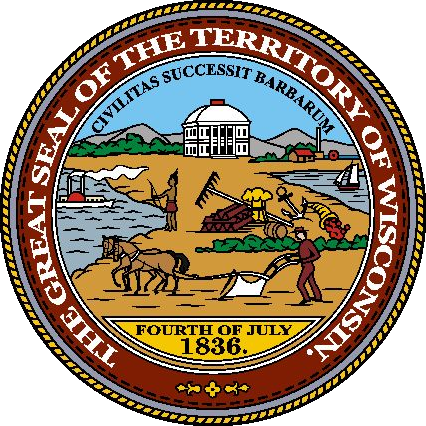
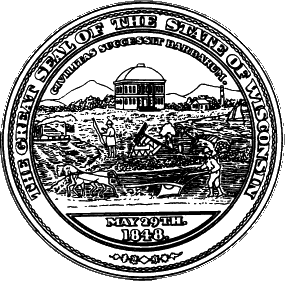
The seal was created in the years following Wisconsin’s admission to the Union and has been refined at times since its first adoption. Variations in artwork have occurred, but the core components—shield, supporters, crest, and symbolic objects—have remained consistent as representations of Wisconsin’s identity.
Use and reproduction
The Great Seal is reserved for official state use. Its application is generally limited to documents and contexts where formal authentication is required, such as proclamations, commissions, and certain certified records. Reproduction for commercial or unofficial purposes is typically restricted and may be governed by state regulations.
Further information
For general context about the political entity that the seal represents, see the entry for the U.S. state and for more on the specific state, consult the article on Wisconsin.
Related articles
Author
AlegsaOnline.com Great Seal of the State of Wisconsin: Symbolism, History, and Official Use Leandro Alegsa
URL: https://en.alegsaonline.com/art/88318