
Bapsi Sidhwa
Pakistani-born novelist Bapsi Sidhwa (born 1938) writes in English about Partition, Parsi life and gender. Her major novels include The Crow Eaters, Cracking India and Water; two were adapted into films.
Bapsi Sidhwa (born Bhandara, 1938) is a novelist of Parsi heritage who was born in Lahore and is widely recognized as a prominent Pakistani writer writing in English. Her fiction frequently explores the social worlds of the Parsi community, the upheavals of the Indian Subcontinent around Partition, and the lived experiences of women navigating cultural boundaries. Sidhwa now lives in the United States, where she continued to publish and engage with readers abroad.
Image gallery
1 Image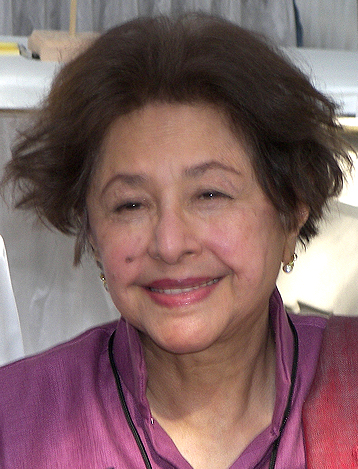
Background and career
Sidhwa began publishing novels in the late 1970s. Her first major work, The Crow Eaters (1978), depicts a comic, affectionate portrait of Parsi family life in pre-Partition India. Subsequent books broadened her focus to historical rupture and migration: many of her best-known titles examine the violence and human dislocation that accompanied Partition and its aftermath.
Major works and adaptations
- The Crow Eaters (1978) — a comic study of community and identity.
- The Bride (1982) — explores arranged marriage and cultural expectations.
- Cracking India (1991) — a novel about Partition and its effects on ordinary lives; it was later associated with film adaptation.
- An American Brat (1993) — a narrative of migration and cultural assimilation.
- Water: A Novel (2006) — connected to themes later dramatized on screen.
Two of Sidhwa’s narratives were brought to international attention through cinematic adaptations: the stories behind Cracking India and Water inspired films by director Deepa Mehta, which helped introduce Sidhwa’s concerns about gender, religion and violence to a wider audience.
Themes, style and significance
Sidhwa often writes with a blend of warmth and moral clarity. Her technique ranges from satirical observation to intimate, child-centered narration; she uses irony and vivid local detail to render communities under strain. Recurring themes include female agency, minority identity (particularly Parsi/Zoroastrian life), and the personal costs of political upheaval. Critics and readers have valued her capacity to make large historical events legible through individual stories.
As a transnational author who moved from South Asia to North America, Sidhwa occupies an important place in postcolonial and diasporic literature. Her novels remain studied for their humane portrayals, accessible prose, and the way they connect private lives to broader social transformations.
Related articles
Author
AlegsaOnline.com Bapsi Sidhwa Leandro Alegsa
URL: https://en.alegsaonline.com/art/8822